-
中文名稱:人魚精蛋白1(PRM1)酶聯免疫試劑盒
-
貨號:CSB-E09630h
-
樣本類型:serum, plasma
-
檢測范圍:31.25 pg/mL-2000 pg/mL
-
靈敏度:7.8 pg/mL
-
規格:96T/48T
-
價格:¥3600/¥2500
-
促銷:

-
其他:
產品詳情
-
產品描述:人魚精蛋白1(PRM1)酶聯免疫試劑盒(CSB-E09630h)為雙抗夾心法ELISA試劑盒,定量檢測血清、血漿樣本中的PRM1含量。人魚精蛋白1(PRM1)是一種參與DNA包裝和精子細胞發育的蛋白,位于細胞質和核質中。其研究機制涉及DNA結合活性,可能參與精子變形期與成熟期的蛋白,與精子形態密切相關。試劑盒檢測范圍為31.25 pg/mL-2000 pg/mL,適用于探究PRM1在生殖系統生理/病理條件下的表達調控,如精子發生機制研究、環境因素或藥物對精子蛋白的影響評估等基礎科研領域,亦可為男性生殖健康相關分子標志物研究提供技術支持。本品僅用于科研,不用于臨床診斷,產品具體參數及操作步驟詳見產品說明書。
-
關聯名:PRM1Sperm protamine P1 ELISA Kit; Cysteine-rich protamine ELISA Kit
-
縮寫:PRM1
-
Uniprot No.:
-
種屬:Homo sapiens (Human)
-
反應時間:1-5h
-
上樣量:50-100ul
-
檢測波長:450 nm
-
研究領域:Epigenetics and Nuclear Signaling
-
測定原理:quantitative
-
測定方法:Sandwich
-
精密度:
Intra-assay Precision (Precision within an assay): CV%<8% Three samples of known concentration were tested twenty times on one plate to assess. Inter-assay Precision (Precision between assays): CV%<10% Three samples of known concentration were tested in twenty assays to assess. -
線性度:
To assess the linearity of the assay, samples were spiked with high concentrations of human PRM1 in various matrices and diluted with the Sample Diluent to produce samples with values within the dynamic range of the assay. Sample Serum(n=4) 1:1 Average % 87 Range % 80-98 1:2 Average % 97 Range % 91-105 1:4 Average % 98 Range % 92-110 1:8 Average % 93 Range % 86-102 -
回收率:
The recovery of human PRM1 spiked to levels throughout the range of the assay in various matrices was evaluated. Samples were diluted prior to assay as directed in the Sample Preparation section. Sample Type Average % Recovery Range Serum (n=5) 95 85-104 EDTA plasma (n=4) 95 90-100 -
標準曲線:
These standard curves are provided for demonstration only. A standard curve should be generated for each set of samples assayed. 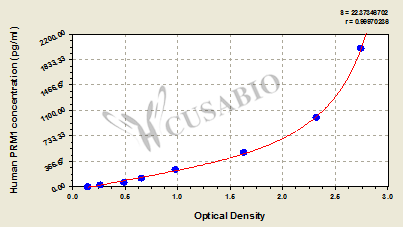
pg/ml OD1 OD2 Average Corrected 2000 2.786 2.752 2.769 2.613 1000 2.306 2.376 2.341 2.185 500 1.648 1.654 1.651 1.495 250 0.985 1.010 0.998 0.842 125 0.677 0.664 0.671 0.515 62.5 0.503 0.509 0.506 0.350 31.25 0.275 0.284 0.280 0.124 0 0.154 0.157 0.156 -
數據處理:
-
貨期:3-5 working days
引用文獻
產品評價

相關產品
靶點詳情
-
功能:Protamines substitute for histones in the chromatin of sperm during the haploid phase of spermatogenesis. They compact sperm DNA into a highly condensed, stable and inactive complex.
-
基因功能參考文獻:
- The expression level of PRM1 was significantly higher in colon cancer tissues and the staining degree of PRM1 in poorly-differentiated was stronger. PMID: 29140788
- Bacterial infections have significant negative effects on sperm chromatin condensation and protamine P1/P2 ratio. PMID: 28736810
- Protamine-1 and protamine-2 mRNA levels as well as the protamine mRNA ratio and all routine semen parameters revealed significant differences between recurrent miscarriage couples and healthy volunteers. Values of protamine-1 and protamine-2 mRNAs were significantly higher and the protamine mRNA ratio was significantly lower in couples with recurrent miscarriage. PMID: 28854581
- examinded the association between protamine gene alleles (PRM1 c.-190C>A, PRM1 c.197G>T, and PRM2 c.248C>T), and YBX2 (c.187T>C and c.1095 + 16A>G) and male infertility. We found that the AA and CA genotypes of the PRM1 c.-190C>A polymorphism had a significant association with infertility (p < 0.001) and the AA genotype was also highly significantly associated with high sperm DNA damage (p < 0.001). PMID: 29227750
- The KDM3A to PRM1 mRNA expression ratio can be used as a reliable marker of successful testicular sperm extraction in men with obstructive and non-obstructive azoospermia with 95% sensitivity. PMID: 27027467
- Single nucleotide polymorphisms in the human PRM1 gene are associated with a genetic risk factor for idiopathic oligozoospermia. PMID: 27216534
- Studies indicate that ribonucleotide reductase M1 polypeptide (RRM1) expression is associated with the response rate and overall survival rate of advanced NSCLC patients treated with gemcitabine-based chemotherapy. PMID: 26092210
- The expressed human protamine1 in two fast-growing cell systems, E. coli and HeLa cells. The protamine 1 expression significantly attenuated cell proliferation when compared with control cells. PMID: 25649960
- the quantity of PRM1, PRM2, and TNP2 transcripts and the PRM1/PRM2 mRNA ratio affect spermiogenesis, sperm morphology PMID: 25536093
- Single nuclotide polymorphisms in PRM1 gene is associated with male infertility. PMID: 22104739
- genetic association study in Han population in China: Data suggest that an SNP in PRM1 (rs35576928; T allele; 34R>S) is associated with severe oligozoospermia and can play a protective role against this disease. PMID: 23079002
- The SNP of PRM1-190C- > A might be associated with teratozoospermia-induced male infertility in the Han Chinese. PMID: 22574365
- significant correlation has been found between protamine 1 and 2 transcripts/proteins and: sperm concentration, progressive sperm motility, sperm fertilization ability as well as embryo quality PMID: 22472940
- identified and we report for the first time five novel rare haplotypes encompassing the protamine 1 and 2 genes PMID: 21029114
- Data suggest that Casp4, Casp 6 and TNFSF10 are differentially expressed in potentially fertile and subfertile men and represent useful biomarkers for predicting male fertility in combination with P1 and P2. PMID: 21317160
- Mutations in the protamine locus may be an infrequent cause of male infertility. PMID: 19602509
- single nucleotide polymorphisms in this gene in fertile and infertile males PMID: 12569175
- A number of SNPs are present in the testis-specific nuclear protein genes. PMID: 16989827
- The P1/P2 ratio has a significant relationship to sperm fertilization ability. PMID: 17011555
- Mutations in PRM1 gene were identified in males with oligozoospermia. PMID: 17494104
- The PRM1 contributes not only to successful fertilization, but may has an important impact in development of preimplantation embryos. PMID: 18292840
- A reduction in contents of PRM1 transcript in spermatozoa may be linked with asthenozoospermia. PMID: 18292846
- Decreased pre-P2/P2 and P1/P2 ratios are related to a poor pregnancy outcome, but not with the proportion of embryos obtained after assisted reproduction. PMID: 18314125
- Low-frequency protamine 1 gene transversions c.102G->T and c.-107G->C do not correlate with male infertility. PMID: 18381856
- Histones localized to the posterior ring region (i.e. the sperm nuclear annulus), whereas PRM1 and PRM2 appeared to be dispersed throughout the entire nucleus. PMID: 18478156
- The CCNA1, CCNB1, CCNB2, PRM1, and PRM2 messenger RNA transcript ratios were significantly decreased in patients with spermatogenic disorders. Transcript ratios in patients with successful sperm retrieval were higher than with failed sperm retrieval. PMID: 18692784
顯示更多
收起更多
-
亞細胞定位:Nucleus. Chromosome.
-
蛋白家族:Protamine P1 family
-
組織特異性:Testis.
-
數據庫鏈接:
Most popular with customers
-
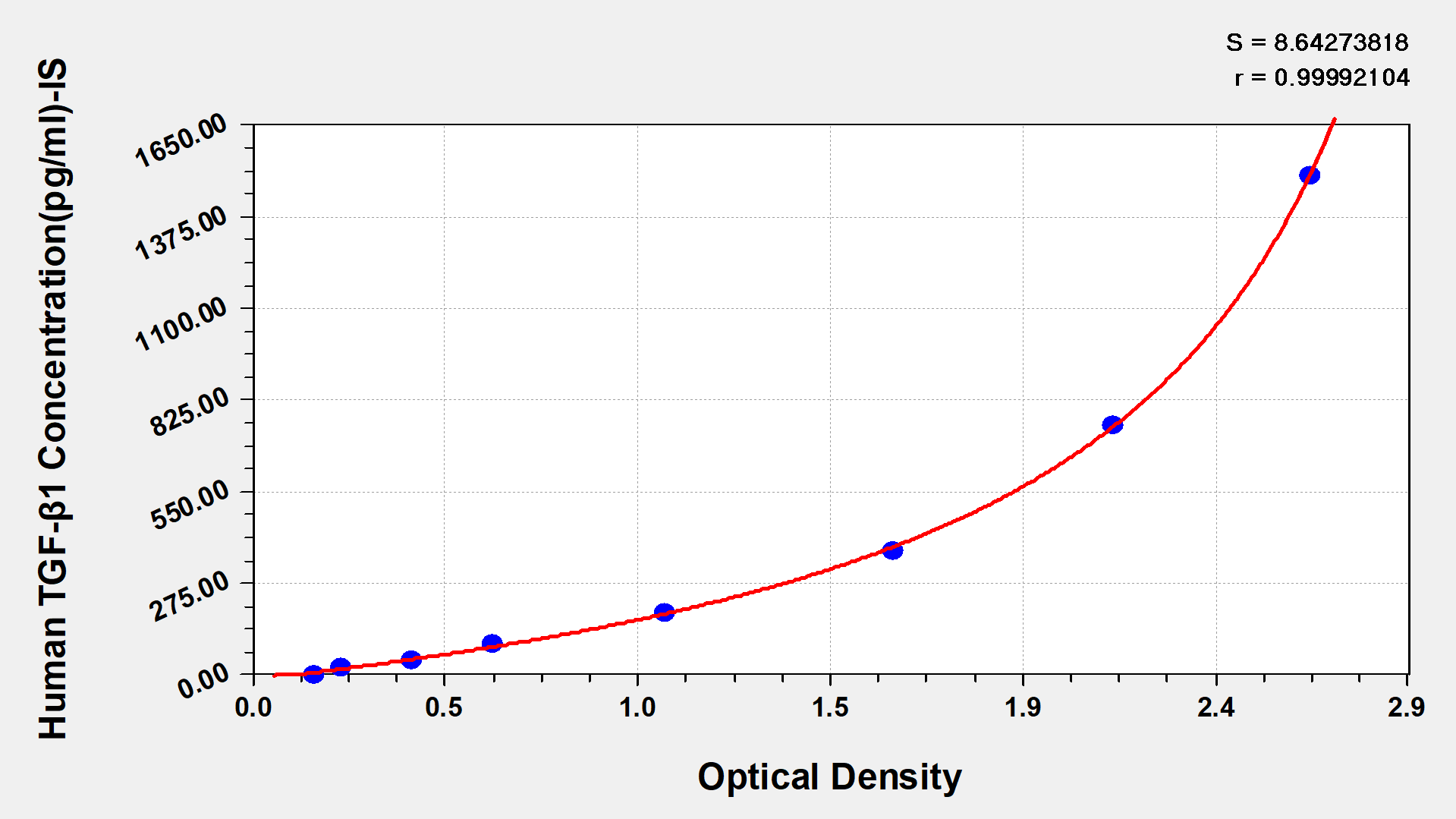
Human Transforming Growth factor β1,TGF-β1 ELISA kit
Detect Range: 23.5 pg/ml-1500 pg/ml
Sensitivity: 5.8 pg/ml
-
-
-
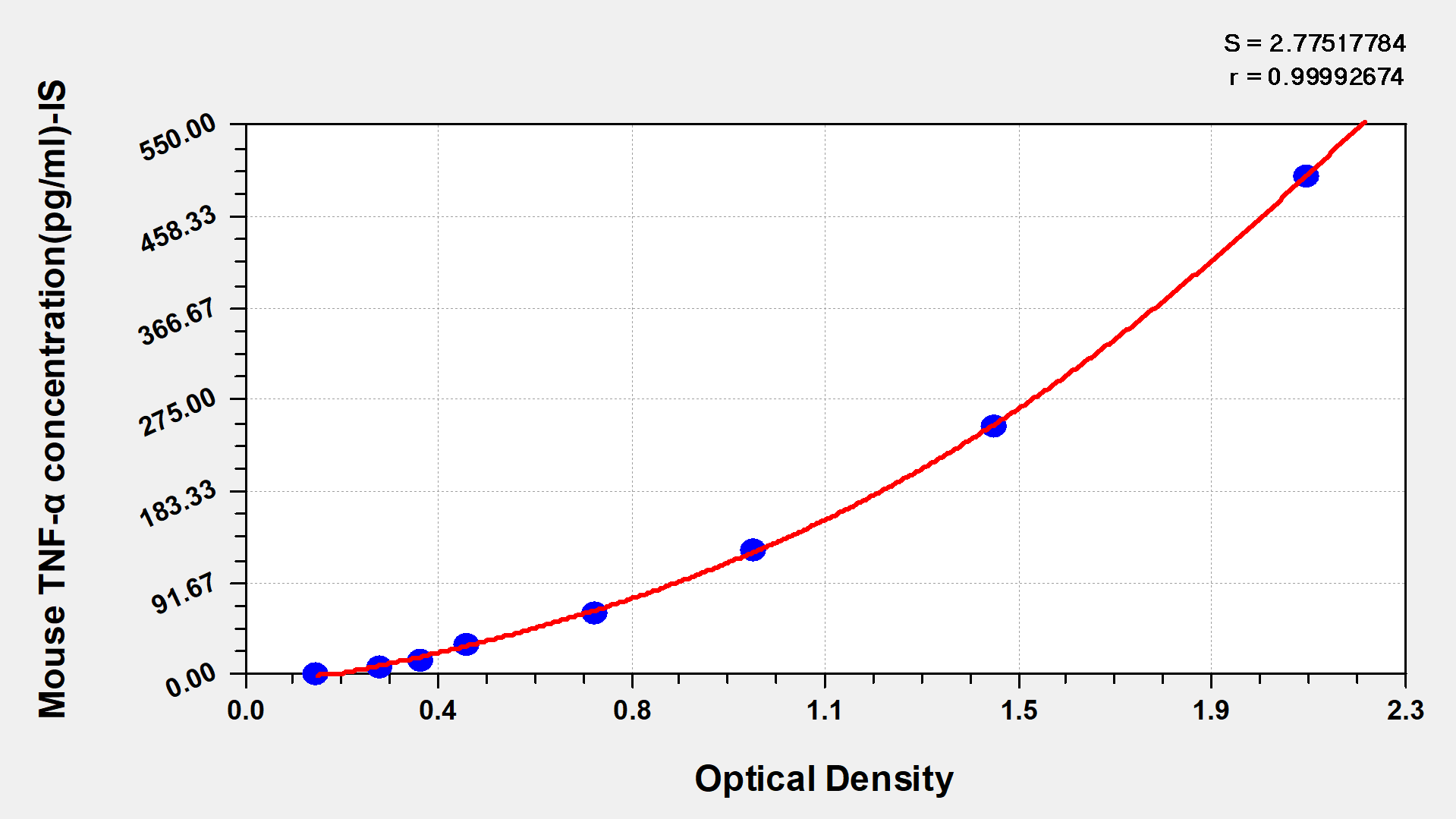
Mouse Tumor necrosis factor α,TNF-α ELISA Kit
Detect Range: 7.8 pg/ml-500 pg/ml
Sensitivity: 1.95 pg/ml
-
-
-
-