
-
中文名稱:人DLL3重組蛋白
-
品名簡稱:Recombinant Human DLL3 protein, partial (Active)
-
貨號:CSB-MP882142HU
-
說明書:
-
規(guī)格:¥828
-
圖片:
-
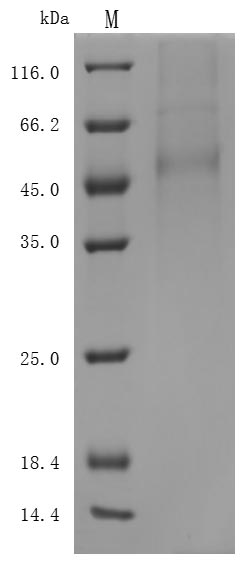 (Tris-Glycine gel) Discontinuous SDS-PAGE (reduced) with 5% enrichment gel and 15% separation gel.
 -
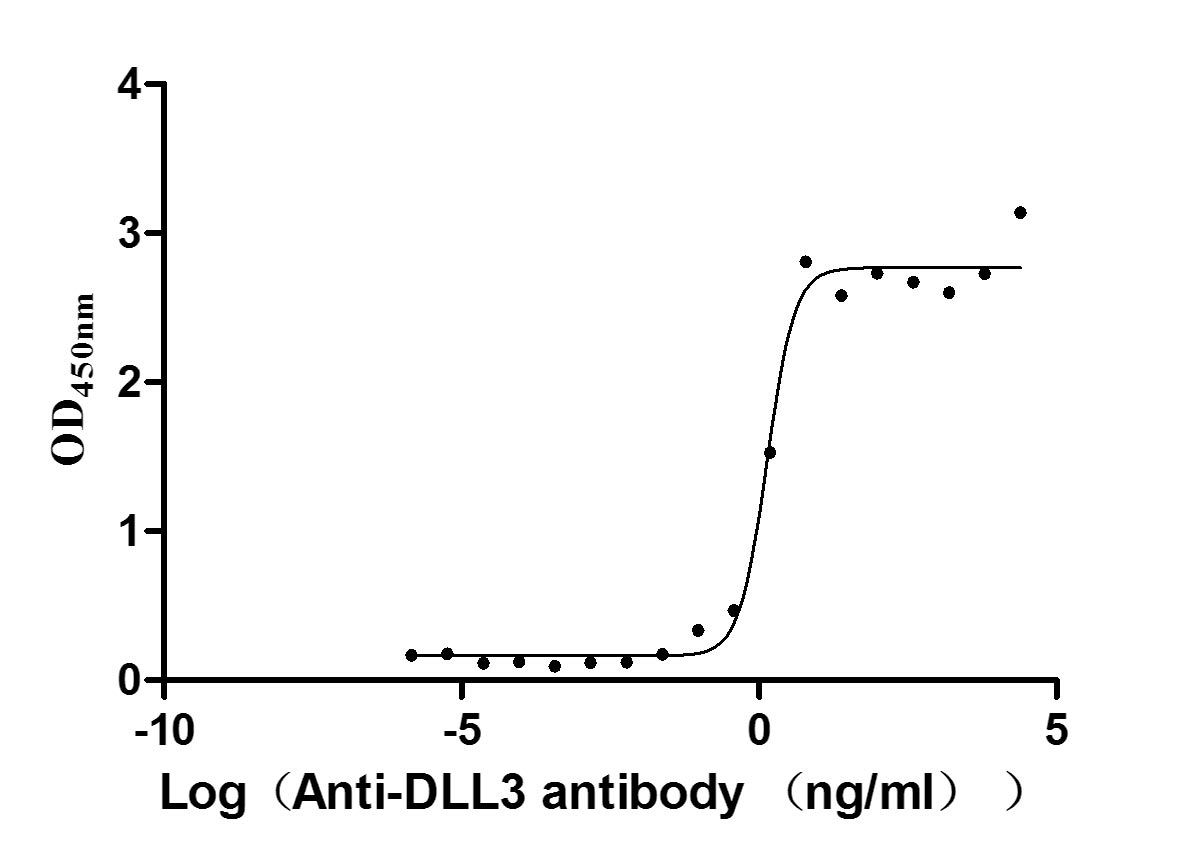 Activity
Measured by its binding ability in a functional ELISA. Immobilized DLL3 at 2 μg/ml can bind Anti-DLL3 Recombinant Antibody(CSB-RA882142A1HU), the EC50 is 1.102-1.707 ng/mL. Biological Activity Assay
-
-
其他:
產(chǎn)品詳情
-
純度:Greater than 85% as determined by SDS-PAGE.
-
內(nèi)毒素:Less than 1.0 EU/ug as determined by LAL method.
-
生物活性:Measured by its binding ability in a functional ELISA. Immobilized DLL3 at 2 μg/mL can bind Anti-DLL3 Recombinant Antibody(CSB-RA882142A1HU), the EC50 is 1.102-1.707 ng/mL.
-
基因名:
-
Uniprot No.:
-
別名:(Drosophila Delta homolog 3)(Delta3)
-
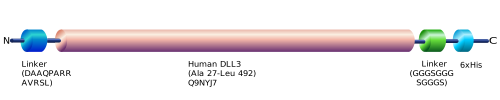
分子結構:
-
種屬:Homo sapiens (Human)
-
蛋白長度:Partial
-
來源:Mammalian cell
-
分子量:51.5 kDa
-
表達區(qū)域:27-492aa
-
氨基酸序列AGVFELQIHSFGPGPGPGAPRSPCSARLPCRLFFRVCLKPGLSEEAAESPCALGAALSARGPVYTEQPGAPAPDLPLPDGLLQVPFRDAWPGTFSFIIETWREELGDQIGGPAWSLLARVAGRRRLAAGGPWARDIQRAGAWELRFSYRARCEPPAVGTACTRLCRPRSAPSRCGPGLRPCAPLEDECEAPLVCRAGCSPEHGFCEQPGECRCLEGWTGPLCTVPVSTSSCLSPRGPSSATTGCLVPGPGPCDGNPCANGGSCSETPRSFECTCPRGFYGLRCEVSGVTCADGPCFNGGLCVGGADPDSAYICHCPPGFQGSNCEKRVDRCSLQPCRNGGLCLDLGHALRCRCRAGFAGPRCEHDLDDCAGRACANGGTCVEGGGAHRCSCALGFGGRDCRERADPCAARPCAHGGRCYAHFSGLVCACAPGYMGARCEFPVHPDGASALPAAPPGLRPGDPQRYL
-
蛋白標簽:C-terminal 6xHis-tagged
-
產(chǎn)品提供形式:Lyophilized powder
Note: We will preferentially ship the format that we have in stock, however, if you have any special requirement for the format, please remark your requirement when placing the order, we will prepare according to your demand. -
緩沖液:Lyophilized from a 0.2 μm filtered 20 mM Tris-HCl, 0.5 M NaCl, 6% Trehalose, pH 8.0
-
復溶:We recommend that this vial be briefly centrifuged prior to opening to bring the contents to the bottom. Please reconstitute protein in deionized sterile water to a concentration of 0.1-1.0 mg/mL.We recommend to add 5-50% of glycerol (final concentration) and aliquot for long-term storage at -20°C/-80°C. Our default final concentration of glycerol is 50%. Customers could use it as reference.
-
儲存條件:Store at -20°C/-80°C upon receipt, aliquoting is necessary for mutiple use. Avoid repeated freeze-thaw cycles.
-
保質期:The shelf life is related to many factors, storage state, buffer ingredients, storage temperature and the stability of the protein itself.
Generally, the shelf life of liquid form is 6 months at -20°C/-80°C. The shelf life of lyophilized form is 12 months at -20°C/-80°C. -
貨期:3-7 business days
-
注意事項:Repeated freezing and thawing is not recommended. Store working aliquots at 4°C for up to one week.
-
產(chǎn)品描述:
CUSABIO's product CSB-MP882142HU is an active protein expressed in mammalian cells. Its gene expression region encodes amino acids 27-492 of the human Delta-like protein 3 (DLL3). It is fused with 6xHis-tag at the C-terminus. According to SDS-PAGE, the purity of this protein is greater than 71.6%. It migrated to the molecular weight band of about 55 kDa. Its endotoxin is less than 1.0 EU/ug measured by the LAL method. In the functional ELISA, it can bind to the anti-DLL3 antibody, and the EC50 is 1.102-1.707 ng/mL. DLL3 is a ligand of Notch signaling, which mediates cell‐fate decisions and is tumor‐inhibitory or oncogenic depending on the cellular context. It is highly upregulated and abnormally expressed on the cell surface in small cell lung cancer (SCLC).
-
Datasheet & COA:Please contact us to get it.
產(chǎn)品評價

實驗應用:抗原
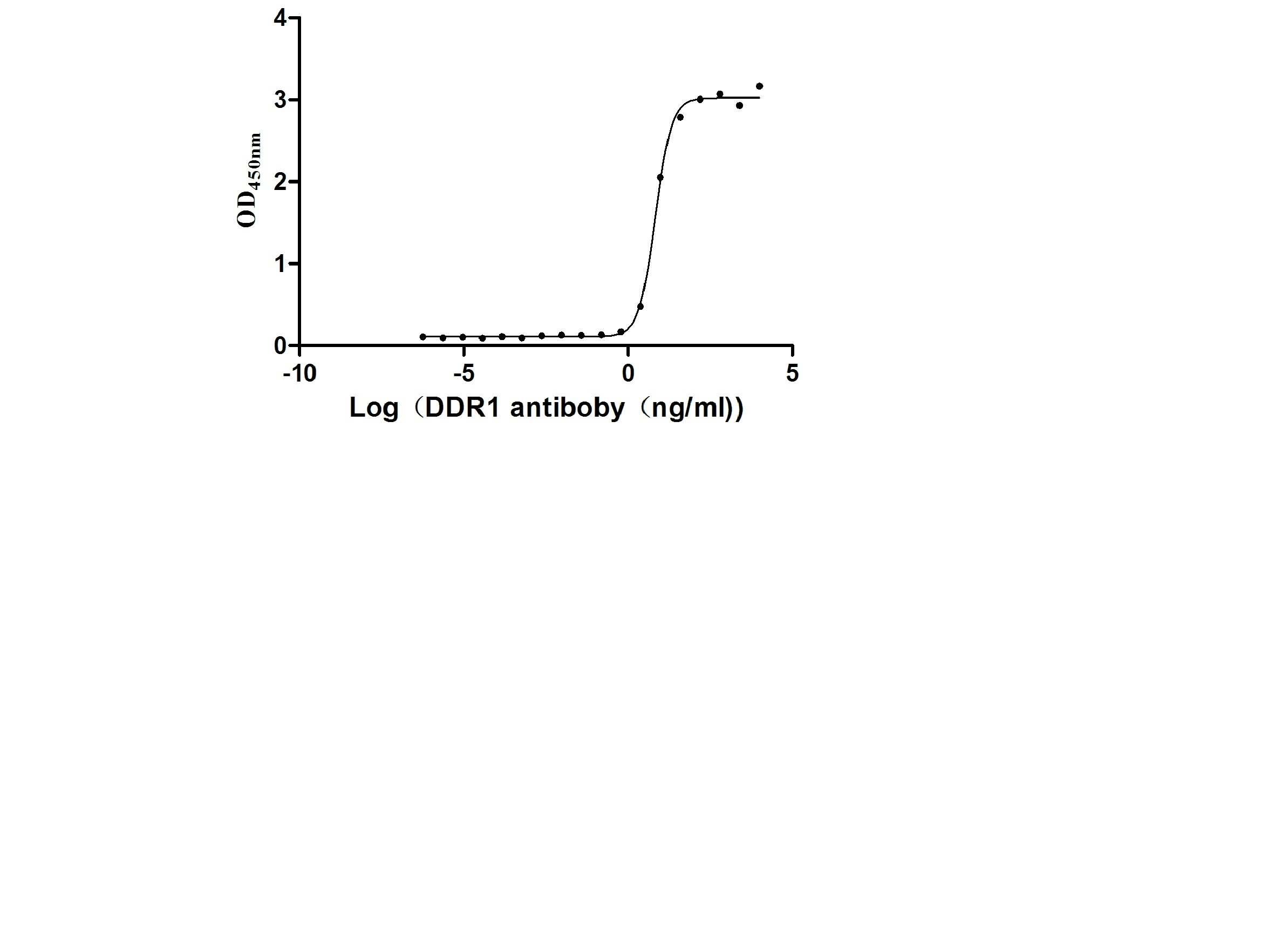
產(chǎn)品評價: 我使用CSB-MP882142HU產(chǎn)品進行ELISA實驗,EC50為2.267-3.180 ng/ml。顯示蛋白的結合活性很好,后續(xù)免疫實驗,小鼠血清效價較高,篩選的抗體靈敏度高,親和力好!說明抗原效果不錯!推薦大家購買
By 楊老師
相關產(chǎn)品
靶點詳情
-
功能:Inhibits primary neurogenesis. May be required to divert neurons along a specific differentiation pathway. Plays a role in the formation of somite boundaries during segmentation of the paraxial mesoderm.
-
基因功能參考文獻:
- these results reveal that DLL3 is expressed in tumor specimens from most patients with small cell lung cancer PMID: 29290251
- Results indicated that DLL3 expression was silenced in hepatocellular carcinoma (HCC) cells by DNA methylation and was more readily affected by histone acetylation than histone methylation (H3K9me2 or H3K27me3). PMID: 29512761
- our results indicated epidermal growth factor-like domain multiple 7 protein participates in growth hormone-secreting pituitary adenoma proliferation and invasion regulation via Notch2/DLL3 signaling pathway. These findings raised the possibility that epidermal growth factor-like domain multiple 7 protein might serve as a useful biomarker to assess growth hormone-secreting pituitary adenoma invasion and prognosis PMID: 28705113
- The Dll3 was rarely detectable in the para-carcinoma tissues, but positive in 82.1% of non-small cell cancer tissues. PMID: 28007595
- Both global haplotype and individual haplotype analyses showed that the haplotypes of SNP1/SNP2/SNP3/SNP4/SNP5 did not correlate with the disease (P >0.05). Together, these data suggest that genetic variants of the DLL3 gene are not associated with CS in the Chinese Han population. PMID: 27472720
- DLL3 was silenced by methylation in human human hepatocellular carcinoma and it negatively regulates the growth of human hepatocellular carcinoma cells. PMID: 23337976
- We suggest that the three human DLL3 mutations associated with spondylocostal dysplasia are also functionally equivalent to the Dll3(neo) null allele in mice. PMID: 11923214
- mutations in DLL3 cause a consistent pattern of abnormal vertebral segmentation in spondylocostal dysostosis PMID: 12746394
- no novel or previously described mutations are present in our cohort, indicating that DLL3 mutations may not be a major cause of congenital scoliosis. PMID: 15717203
- The intracellular region of Notch ligands Dll1 and Dll3 regulates their trafficking and signaling activity PMID: 18676613
顯示更多
收起更多
-
相關疾病:Spondylocostal dysostosis 1, autosomal recessive (SCDO1)
-
亞細胞定位:Membrane; Single-pass type I membrane protein.
-
數(shù)據(jù)庫鏈接:
Most popular with customers
-
Recombinant Human Leukemia inhibitory factor (LIF) (Active)
Express system: Mammalian cell
Species: Homo sapiens (Human)
-
Recombinant Human Tumor necrosis factor ligand superfamily member 9 (TNFSF9), partial (Active)
Express system: Mammalian cell
Species: Homo sapiens (Human)
-
Recombinant Human Glucagon receptor (GCGR), partial (Active)
Express system: Mammalian cell
Species: Homo sapiens (Human)
-
Recombinant Human Nectin-4 (NECTIN4), partial (Active)
Express system: Mammalian cell
Species: Homo sapiens (Human)
-
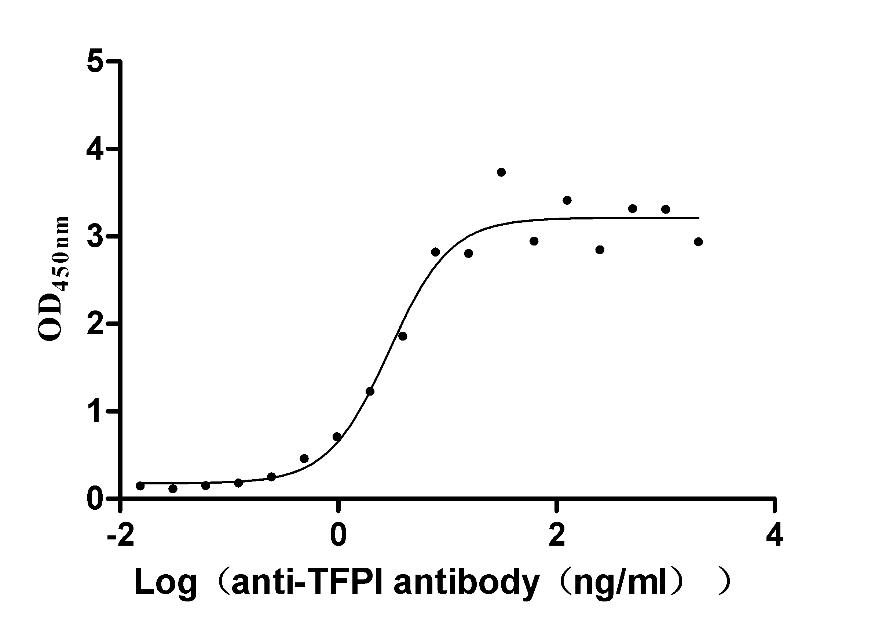
Recombinant Rabbit Tissue factor pathway inhibitor (TFPI) (Active)
Express system: Mammalian cell
Species: Oryctolagus cuniculus (Rabbit)
-
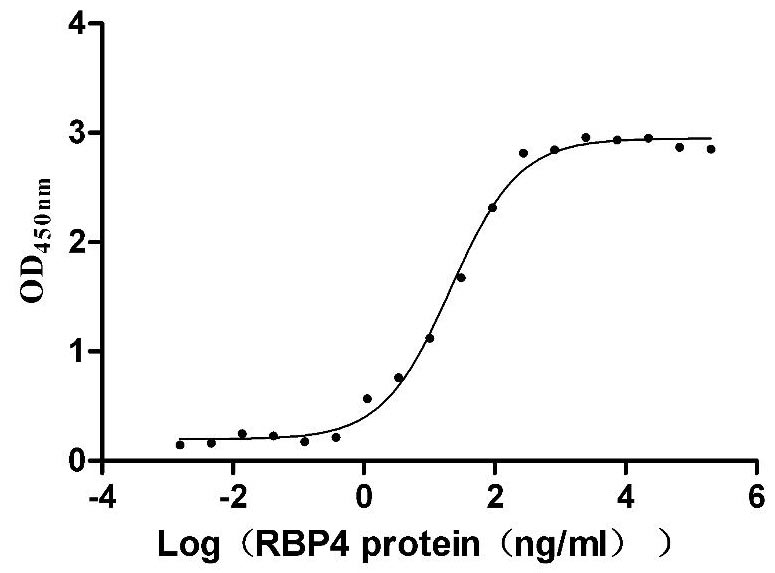
Recombinant Mouse Transthyretin (Ttr) (Active)
Express system: Mammalian cell
Species: Mus musculus (Mouse)
-
-AC1.jpg)
Recombinant Mouse Claudin-18.2 (Cldn18.2)-VLPs (Active)
Express system: Mammalian cell
Species: Mus musculus (Mouse)
-
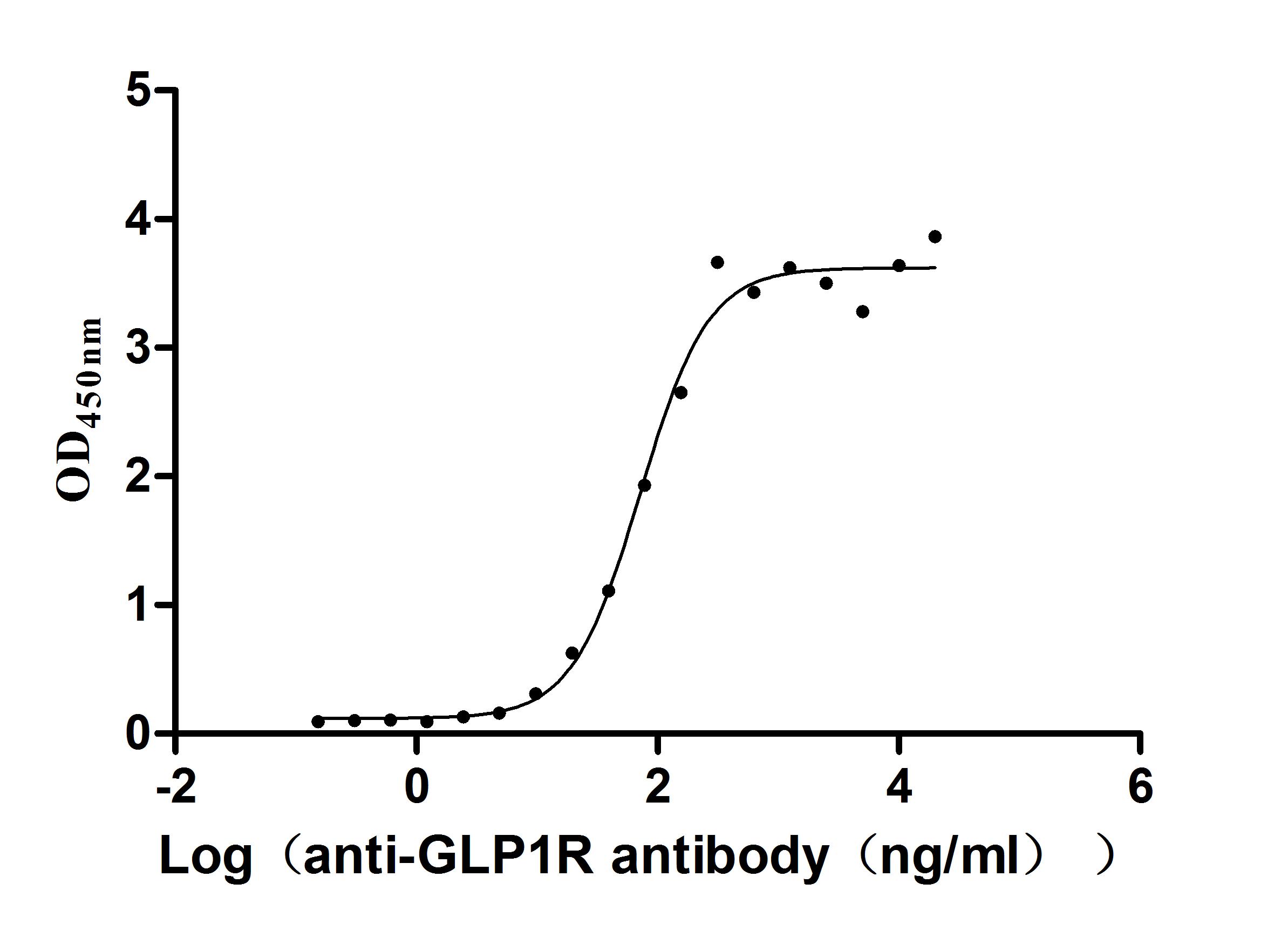
Recombinant Human Glucagon-like peptide 1 receptor (GLP1R), partial (Active)
Express system: Mammalian cell
Species: Homo sapiens (Human)