-
中文名稱:Recombinant Human Creatine kinase M-type(CKM)
-
品名簡稱:Recombinant Human CKM protein
-
貨號:CSB-EP005459HUc0
-
說明書:
-
規(guī)格:¥1344
-
圖片:
-
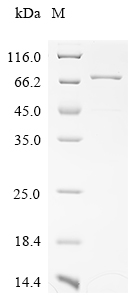 (Tris-Glycine gel) Discontinuous SDS-PAGE (reduced) with 5% enrichment gel and 15% separation gel.
-
-
其他:
產品詳情
-
純度:Greater than 85% as determined by SDS-PAGE.
-
生物活性:Not Test
-
基因名:CKM
-
Uniprot No.:
-
別名:(Creatine kinase M chain)(Creatine phosphokinase M-type)(CPK-M)(M-CK)
-
種屬:Homo sapiens (Human)
-
蛋白長度:Full Length
-
來源:E.coli
-
分子量:74.59999999999999
-
表達區(qū)域:1-381aa
-
氨基酸序列MPFGNTHNKFKLNYKPEEEYPDLSKHNNHMAKVLTLELYKKLRDKETPSGFTVDDVIQTGVDNPGHPFIMTVGCVAGDEESYEVFKELFDPIISDRHGGYKPTDKHKTDLNHENLKGGDDLDPNYVLSSRVRTGRSIKGYTLPPHCSRGERRAVEKLSVEALNSLTGEFKGKYYPLKSMTEKEQQQLIDDHFLFDKPVSPLLLASGMARDWPDARGIWHNDNKSFLVWVNEEDHLRVISMEKGGNMKEVFRRFCVGLQKIEEIFKKAGHPFMWNQHLGYVLTCPSNLGTGLRGGVHVKLAHLSKHPKFEEILTRLRLQKRGTGGVDTAAVGSVFDVSNADRLGSSEVEQVQLVVDGVKLMVEMEKKLEKGQSIDDMIPAQK
Note: The complete sequence may include tag sequence, target protein sequence, linker sequence and extra sequence that is translated with the protein sequence for the purpose(s) of secretion, stability, solubility, etc.
If the exact amino acid sequence of this recombinant protein is critical to your application, please explicitly request the full and complete sequence of this protein before ordering. -
蛋白標簽:N-terminal 6xHis-GST-tagged
-
產品提供形式:Liquid or Lyophilized powder
Note: We will preferentially ship the format that we have in stock, however, if you have any special requirement for the format, please remark your requirement when placing the order, we will prepare according to your demand. -
緩沖液:If the delivery form is liquid, the default storage buffer is Tris/PBS-based buffer, 5%-50% glycerol. If the delivery form is lyophilized powder, the buffer before lyophilization is Tris/PBS-based buffer, 6% Trehalose.
-
復溶:We recommend that this vial be briefly centrifuged prior to opening to bring the contents to the bottom. Please reconstitute protein in deionized sterile water to a concentration of 0.1-1.0 mg/mL.We recommend to add 5-50% of glycerol (final concentration) and aliquot for long-term storage at -20°C/-80°C. Our default final concentration of glycerol is 50%. Customers could use it as reference.
-
儲存條件:Store at -20°C/-80°C upon receipt, aliquoting is necessary for mutiple use. Avoid repeated freeze-thaw cycles.
-
保質期:The shelf life is related to many factors, storage state, buffer ingredients, storage temperature and the stability of the protein itself.
Generally, the shelf life of liquid form is 6 months at -20°C/-80°C. The shelf life of lyophilized form is 12 months at -20°C/-80°C. -
貨期:3-7 business days
-
注意事項:Repeated freezing and thawing is not recommended. Store working aliquots at 4°C for up to one week.
-
Datasheet & COA:Please contact us to get it.
產品評價

相關產品
靶點詳情
-
功能:Reversibly catalyzes the transfer of phosphate between ATP and various phosphogens (e.g. creatine phosphate). Creatine kinase isoenzymes play a central role in energy transduction in tissues with large, fluctuating energy demands, such as skeletal muscle, heart, brain and spermatozoa.
-
基因功能參考文獻:
- The formation of insoluble aggregates would decrease levels of active Creatine kinase (CK) which may provide clues in CK deficiency disease. Moreover, these results indicated that the degree of synergism had closely relationship to the conformational changes of CK PMID: 28916380
- Low CK-MB expression is associated with ST-Segment Elevation Myocardial Infarction. PMID: 28100880
- On admission, high-sensitivity troponin T/creatine kinase-MB ratio was significantly higher in takotsubo syndrome patients compared to myocardial infarction patients. PMID: 28595746
- A genetic factor known to be associated with constitutive creatine kinase levels is also associated with creatine kinase variability and inducibility and the variant has an impact on inducibility of creatine kinase by trauma through a homozygous carrier. PMID: 28790154
- Marathoners with a lower CKMM response after the race had a more favorable polygenic profile than runners with high serum CKMM concentrations. This might suggest a significant role of genetic polymorphisms in the levels of exertional muscle damage and rhabdomyolysis. PMID: 28257486
- Myocardial Creatine Kinase is a significant independent predictor of 6-month left ventricle remodeling in myocardial infarction patients. PMID: 28138312
- A positive association was found between PANSS-total and sCK [serum creatine kinase] in SzA [schizoaffective disorder] and BP-I; however, PANSS-positive scores correlated with sCK only in SzA. Serum CK may serve as a biomarker for affective exacerbation rather than psychosis. PMID: 27086253
- These results demonstrate an association between physical performance measures and genetic variation in the muscle-specific creatine kinase gene (rs8111989). PMID: 26327553
- Muscle pain induced by simvastatin resulted in increased levels of creatine kinase compared to non-treated patients. PMID: 26874453
- Data show that a low serum creatine kinase activity is more common in female than male, and is associated with older age. PMID: 26738403
- CK-MB mass is more significant criteria of myocardial injury. PMID: 25802449
- troponin T and creatinine kinase isoenzyme (CK-MB) have roles in combined renal and myocardial injuries in asphyxiated infants PMID: 24625749
- The serum expression levels of myocardial creatine kinase and of galectin-3 reflect the physiopathology state of children with congenital heart defects after surgical correction. PMID: 26118042
- The variant rs11559024 in the CKM gene (Glu83Gly) was significantly associated with CK levels of statin users. PMID: 25214527
- elderly women classified as high response experienced greater serum response to eccentric resistance exercise PMID: 24189370
- Based on the obtained results, it may be speculated that the CKM A/G polymorphism is not an important determinant of endurance performance level in Polish and Russian rowers. PMID: 26027379
- Substantive creatine phosphokinase increases and rhabdomyolysis with statin use were particularly seen in patients starting treatment, those on large daily doses or interacting drugs or with larger numbers of concomitant drugs PMID: 24602118
- serum CK-MB elevated in underweight hemodialysis patients PMID: 24846126
- Asymptomatic hyper-CKemia is an uncommon association with hyponatremia of various etiologies. PMID: 24673369
- Cardiac enzyme elevations post-cardiac bypass or post-percutaneous coronary intervention are associated with an adverse long-term mortality; the causes of which are multifactorial. PMID: 23993326
- 3D mapping of the CK reaction rates and metabolic fluxes can be achieved in the skeletal muscle in vivo at relatively high spatial resolution and with acquisition times well tolerated by patients. PMID: 23436474
- High levels of blood creatine-kinase MB are associated with embolism source during acute phase of ischemic stroke. PMID: 22592287
- This study explored the relationship of cardiac function examined by echocardiography and serum creatine kinase (CK) and CK-MB levels with myocardial ischemia-reperfusion injury in a cohort of Chinese acute myocardial infarction patients. PMID: 21873942
- The crystal structure of CK indicates that the E79 and K138 interaction plays key roles in sustaining the recognition between N-terminal and C-terminal domains of muscle creatine kinase. PMID: 23274523
- The current enzymatic definition of procedural myocardial infarct (MI) (CK-myocardial band more than 3 times the upper limit of normal) used in clinical trials is less strongly associated with death than that of spontaneous MI. PMID: 23122801
- Creatine kinase MM TaqI and methylenetetrahydrofolate reductase C677T and A1298C gene polymorphisms influence exercise-induced C-reactive protein levels. PMID: 21706313
- Results indicate that these polymorphisms can indirectly influence performance, contribute to higher susceptibility to exercise-induced inflammation or protection against it, and perhaps affect future risks of CVD in athletes. PMID: 21516340
- Common variants of MSTN and CKM genes don't play a role in attaining high level endurance performance in Caucasians. PMID: 20536908
- Elevated creatine kinase-MB is associated with elevated white blood cell count and atherosclerotic plaque in patients with elective stent implantation. PMID: 20591515
- Cardiac troponin T and creatine kinase have roles in infarct size and left ventricular function after acute myocardial infarction PMID: 21448949
- Muscle-type creatine kinase physically interacts with the slow skeletal muscle-type MyBPC1 (myosin-binding protein C1). PMID: 21426302
- The overall efficacy of IMA [ischemia modified albumin]in differentiating AMI[Acute Myocardial Infarction] from Non-AMI cases appears to be comparable to that of CK-MB and cTnI PMID: 21456469
- two residues close to the dimer interface of MMCK were crucial for species-specific thermal stability PMID: 20558199
- The researchers found no association between the CK response after exercise and the presence of the CK-MM NcoI polymorphism. PMID: 20157874
- percutaneous coronary intervention induces temporal changes of P-selectin, Mg, and CK-MB, which may be involved in restenosis and ischemia-reperfusion injury, but not PAI-1 PMID: 20669347
- Elevated CK-MB values after elective angioplasty predicts reduced long-term event-free survival. PMID: 19670037
- The Dimension Vista cTnI, CK-MB, MYO, NTproBNP, and hsCRP methods demonstrate acceptable performance characteristics for use as an aid in the diagnosis and risk assessment of patients presenting with suspected acute coronary syndromes. PMID: 19523464
- A short version of the muscle creatine kinase promoter(MCK1350) allows for sustained dystrophin expression in skeletal muscle of newborn mdx mice. PMID: 11922612
- Results identify muscle-type creatine kinase as a binding partner of a central portion of myomesin and the closely related M-protein. PMID: 12972258
- The roles of Ile-69 and Val-325 are discussed in the delivery of both substrate specificity and catalysis of human muscle creatine kinase isozyme. PMID: 15504039
- In top-level professional cyclists capable of completing a classic 3-wk tour race, the frequency distribution of the D allele and the DD genotype seems to be higher than in other endurance athletes such as elite runners. PMID: 16037885
- Creatinine kinase-MB levels are elevated after adverse outcomes following percutaneous coronary interventions PMID: 16087811
- Elevated levels of creatinine kinase-MB after percutaneous coronary intervention are not a predictor of adverse outcomes PMID: 16092153
- first monomeric intermediate captured during refolding of muscle-type creatine kinase; authors propose that aggregation is caused by interaction between such monomeric intermediates. PMID: 16373479
- CK-MM autoantibodies can modulate the rate of CK clearance from the circulation in myositis PMID: 16810680
- The results show conclusively that, Cys283 is not responsible for the pKa of 5.4 observed in the WT V/K(creatine) pH profile. PMID: 16981706
- generation of O-CK is a negative regulation of R-CK and O-CK might play essential roles in the molecular turnover of MM-CK PMID: 17303563
- CK-MM AA genotype and percent body fat may be part of the constellation of mechanisms that explain susceptibility to exertional rhabdomyolysis. PMID: 17478608
- Indicate a positive association of the ACE ID genotype with creatine kinase response to strenuous exercise. Genotype may determine risk for developing muscle damage. PMID: 17885020
- Muscle type CK elevation in hypertrabeculation/noncompaction suggests neuromuscular disorder and prompts neurological investigations. PMID: 18055044
顯示更多
收起更多
-
亞細胞定位:Cytoplasm.
-
蛋白家族:ATP:guanido phosphotransferase family
-
數據庫鏈接:
Most popular with customers
-
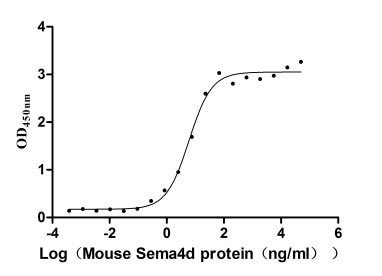
Recombinant Mouse Semaphorin-4D (Sema4d), partial (Active)
Express system: Mammalian cell
Species: Mus musculus (Mouse)
-
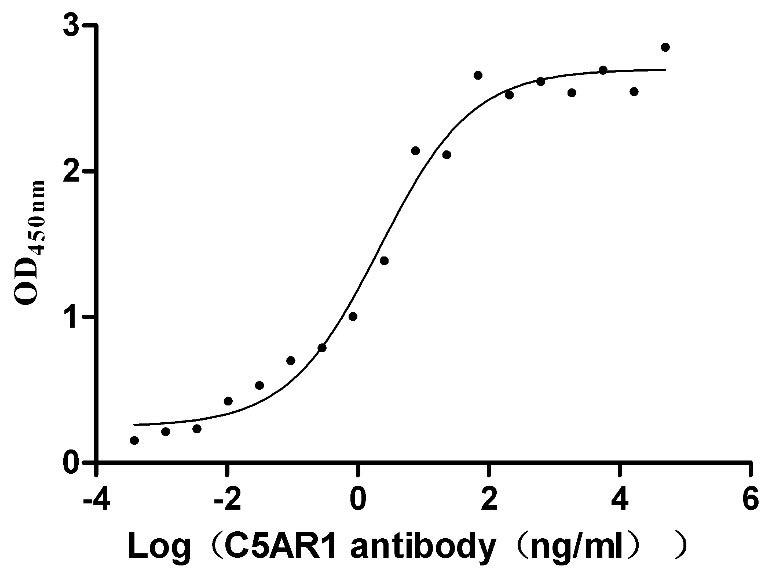
Recombinant Human C5a anaphylatoxin chemotactic receptor 1 (C5AR1)-VLPs (Active)
Express system: Mammalian cell
Species: Homo sapiens (Human)
-
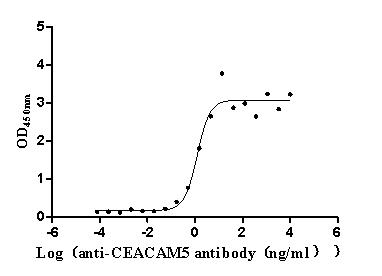
Express system: Mammalian cell
Species: Homo sapiens (Human)
-
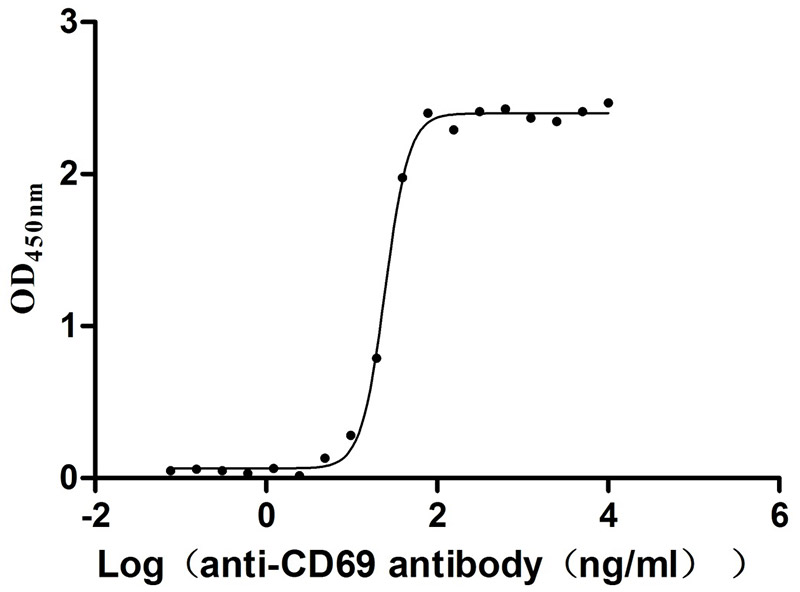
Recombinant Human Early activation antigen CD69 (CD69), partial (Active)
Express system: Mammalian cell
Species: Homo sapiens (Human)
-
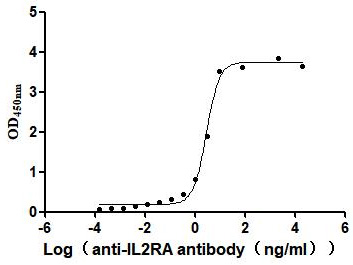
Recombinant Human Interleukin-2 receptor subunit alpha (IL2RA), partial (Active)
Express system: Mammalian cell
Species: Homo sapiens (Human)
-
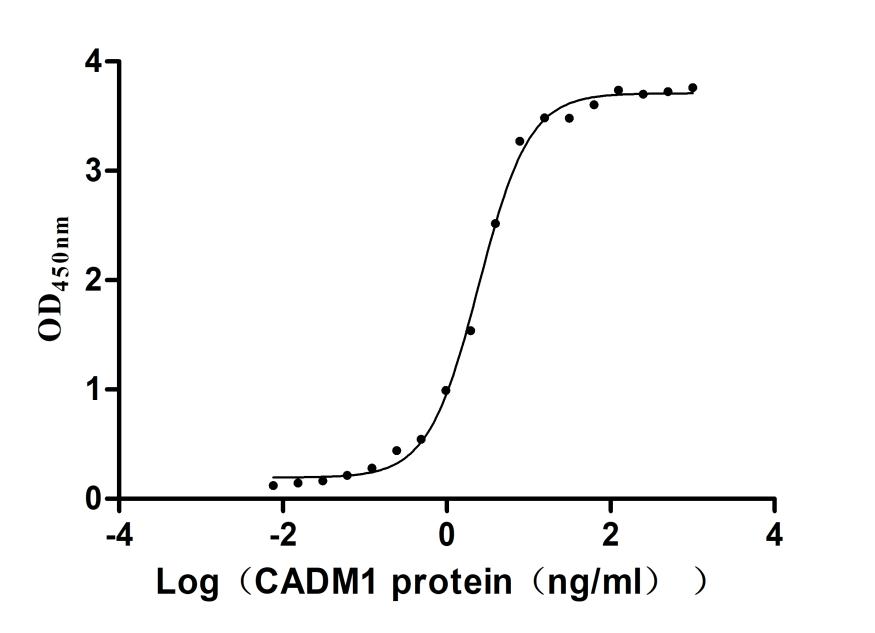
Recombinant Human Cytotoxic and regulatory T-cell molecule (CRTAM), partial (Active)
Express system: Mammalian cell
Species: Homo sapiens (Human)
-
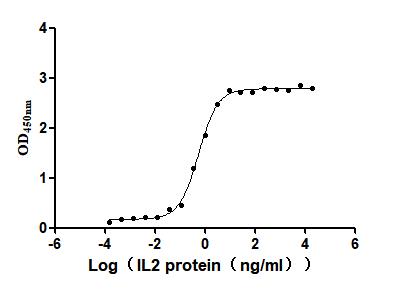
Recombinant Human Interleukin-2 (IL2) (Active)
Express system: Mammalian cell
Species: Homo sapiens (Human)
-
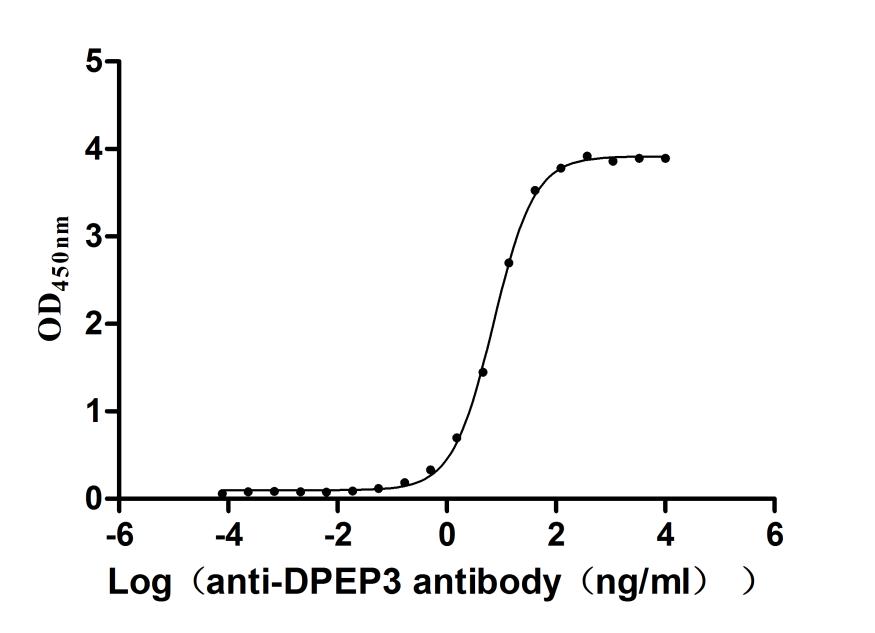
Recombinant Human Dipeptidase 3(DPEP3), partial (Active)
Express system: Mammalian cell
Species: Homo sapiens (Human)