Recombinant Human Homeobox protein DLX-5 (DLX5)
-
中文名稱:人DLX5重組蛋白
-
貨號:CSB-YP006956HU
-
規格:
-
來源:Yeast
-
其他:
-
中文名稱:人DLX5重組蛋白
-
貨號:CSB-EP006956HU
-
規格:
-
來源:E.coli
-
其他:
-
中文名稱:人DLX5重組蛋白
-
貨號:CSB-EP006956HU-B
-
規格:
-
來源:E.coli
-
共軛:Avi-tag Biotinylated
E. coli biotin ligase (BirA) is highly specific in covalently attaching biotin to the 15 amino acid AviTag peptide. This recombinant protein was biotinylated in vivo by AviTag-BirA technology, which method is BriA catalyzes amide linkage between the biotin and the specific lysine of the AviTag.
-
其他:
-
中文名稱:人DLX5重組蛋白
-
貨號:CSB-BP006956HU
-
規格:
-
來源:Baculovirus
-
其他:
-
中文名稱:人DLX5重組蛋白
-
貨號:CSB-MP006956HU
-
規格:
-
來源:Mammalian cell
-
其他:
產品詳情
-
純度:>85% (SDS-PAGE)
-
基因名:
-
Uniprot No.:
-
別名:DLX5Homeobox protein DLX-5
-
種屬:Homo sapiens (Human)
-
蛋白長度:Full length protein
-
表達區域:1-289
-
氨基酸序列MTGVFDRRVP SIRSGDFQAP FQTSAAMHHP SQESPTLPES SATDSDYYSP TGGAPHGYCS PTSASYGKAL NPYQYQYHGV NGSAGSYPAK AYADYSYASS YHQYGGAYNR VPSATNQPEK EVTEPEVRMV NGKPKKVRKP RTIYSSFQLA ALQRRFQKTQ YLALPERAEL AASLGLTQTQ VKIWFQNKRS KIKKIMKNGE MPPEHSPSSS DPMACNSPQS PAVWEPQGSS RSLSHHPHAH PPTSNQSPAS SYLENSASWY TSAASSINSH LPPPGSLQHP LALASGTLY
-
蛋白標簽:Tag?type?will?be?determined?during?the?manufacturing?process.
The tag type will be determined during production process. If you have specified tag type, please tell us and we will develop the specified tag preferentially. -
產品提供形式:Lyophilized powder
Note: We will preferentially ship the format that we have in stock, however, if you have any special requirement for the format, please remark your requirement when placing the order, we will prepare according to your demand. -
復溶:We recommend that this vial be briefly centrifuged prior to opening to bring the contents to the bottom. Please reconstitute protein in deionized sterile water to a concentration of 0.1-1.0 mg/mL.We recommend to add 5-50% of glycerol (final concentration) and aliquot for long-term storage at -20℃/-80℃. Our default final concentration of glycerol is 50%. Customers could use it as reference.
-
儲存條件:Store at -20°C/-80°C upon receipt, aliquoting is necessary for mutiple use. Avoid repeated freeze-thaw cycles.
-
保質期:The shelf life is related to many factors, storage state, buffer ingredients, storage temperature and the stability of the protein itself.
Generally, the shelf life of liquid form is 6 months at -20°C/-80°C. The shelf life of lyophilized form is 12 months at -20°C/-80°C. -
貨期:Delivery time may differ from different purchasing way or location, please kindly consult your local distributors for specific delivery time.Note: All of our proteins are default shipped with normal blue ice packs, if you request to ship with dry ice, please communicate with us in advance and extra fees will be charged.
-
注意事項:Repeated freezing and thawing is not recommended. Store working aliquots at 4°C for up to one week.
-
Datasheet :Please contact us to get it.
產品評價

相關產品
靶點詳情
-
功能:Transcriptional factor involved in bone development. Acts as an immediate early BMP-responsive transcriptional activator essential for osteoblast differentiation. Stimulates ALPL promoter activity in a RUNX2-independent manner during osteoblast differentiation. Stimulates SP7 promoter activity during osteoblast differentiation. Promotes cell proliferation by up-regulating MYC promoter activity. Involved as a positive regulator of both chondrogenesis and chondrocyte hypertrophy in the endochondral skeleton. Binds to the homeodomain-response element of the ALPL and SP7 promoter. Binds to the MYC promoter. Requires the 5'-TAATTA-3' consensus sequence for DNA-binding.
-
基因功能參考文獻:
- Our results in mice suggest that long-range DLX5 enhancer elements located in the human SLC25A13 gene may underlie the sensorineural hearing loss that is sometimes associated with SHFM1. PMID: 29301908
- These results indicate activation of DLX5 and RUNX2 via its distal promoter represents a unique feature of GFs, and is important for ECM regulation. Down-regulation of these transcription factors in PAFs could be associated with their property to degrade collagen, which may impact on the process of periodontitis. PMID: 27645561
- these findings indicate that, in MSCs, DLX5 is a master regulator of osteogenesis. Furthermore, tanshinone IIA may be valuable for stem cell-based therapies of certain bone diseases. PMID: 28949384
- As a result of disturbed imprinting, the upregulated DLX5 affects trophoblast proliferation in preeclampsia. PMID: 28904069
- These data indicate that certain missense mutations diminish the ability of the Dlx5 homeodomain to recognize and bind target DNAs, and they likely destabilize the formation of functional complexes. PMID: 26829219
- In cells grown on titanium support, DLX5 and RUNX1 were respectively upregulated (+3.12-fold) and downregulated (-2.14-fold) PMID: 25025858
- Absent expression of the osteoblast-specific maternally imprinted genes, DLX5 and DLX6, causes split hand/split foot malformation type I. PMID: 25332435
- Heterozygous DLX5 nonsense mutation c.G115T(p.E39X) associated with isolated split-hand/foot malformation with reduced penetrance and variable expressivity in two unrelated Polish families. PMID: 25196357
- A novel heterozygous mutation in exon 3 of DLX5 found in the family members with SHFM1 phenotype. PMID: 24496061
- Genome sequencing of the deletion breakpoints showed that the DLX5 and DLX6 genes are disomic but the putative DYNC1I1 exon 15 and 17 enhancers are deleted. PMID: 24459211
- The duplicated region harbors only DLX5 and DLX6, which are known for their role in SHFM1. PMID: 23169702
- The strongest evidence for altered methylation patterns in shiftworkers was observed for DLX5 gene. PMID: 23193016
- Cyclic tensile stress may induce differentiation of periodontal ligament stem cells towards mineralized tissue cells by promoting Dlx5 mRNA expression and decreasing Msx2 expression. PMID: 22332551
- Two patients that have in common a p63-Dlx5/Dlx6 pathway dysregulation. PMID: 22342398
- the first intragenic DLX5 mutation in split hand and foot malformation is found; a potential dual role for DLX5 in limb development is suggested PMID: 22121204
- DLX5 is significantly increased in heart tissue from calcific aortic valve patients compared to controls. PMID: 21205918
- MDA-MB-231 breast neoplasms did not express DLX5 but the resulting bone/lung metastases did. PMID: 21108812
- Data suggest that DLX5 plays a significant role in the pathogenesis of some ovarian cancers by enhancing IRS-2-AKT signaling. PMID: 21045156
- p63 binds to an enhancer element in the SHFM1 locus and this element controls expression of DLX6 and DLX5 which are important for limb development. PMID: 20808887
- Results describe the expression of DLX5 and DLX6 in autistic spectrum disorder patients in an attempt to identify potential abnormality of expression. PMID: 19195802
- A RING finger protein Praja1 regulates Dlx5-dependent transcription through its ubiquitin ligase activity for the Dlx/Msx-interacting MAGE/Necdin family protein, Dlxin-1. PMID: 11959851
- DLX5 was confirmed to be imprinted in normal human lymphoblasts and brain tissues by a polymorphic analysis PMID: 12782124
- DLX5 is a target for MeCP2, linking genomic imprinting and Rett syndrome [review] PMID: 15954098
- In dental follicle cells, gene expression of runx2, DLX-5, and MSX-2 was unaffected during osteogenic differentiation in vitro. PMID: 16467978
- high expression of mutated MECP2 in TRD mutation showed bialleic expression of DLX5 suggesting loss of imprinting PMID: 17363207
- DLX5 and DLX6 are not imprinted in humans and are not likely to be direct targets of MeCP2 modulation. PMID: 17701895
- Dlx5 can act as an oncogene by cooperating with Akt2 to promote lymphomagenesis PMID: 18316591
- Activation of placenta-specific transcription factor distal-less homeobox 5 predicts clinical outcome in primary lung cancer patients. PMID: 18413826
- The MYC promoter is specifically activated by overexpression of DLX5. PMID: 19497851
- Dlxin-1 binds Dlx5 and several additional homeodomain proteins and may regulate the function of Dlx family members in bone formation PMID: 11084035
顯示更多
收起更多
-
相關疾病:Split-hand/foot malformation 1 with sensorineural hearing loss, autosomal recessive (SHFM1D)
-
亞細胞定位:Nucleus.
-
蛋白家族:Distal-less homeobox family
-
數據庫鏈接:
Most popular with customers
-
Recombinant Human E3 ubiquitin-protein ligase ZNRF3 (ZNRF3), partial (Active)
Express system: Mammalian cell
Species: Homo sapiens (Human)
-
Recombinant Human Mucin-17 (MUC17), partial (Active)
Express system: Mammalian cell
Species: Homo sapiens (Human)
-
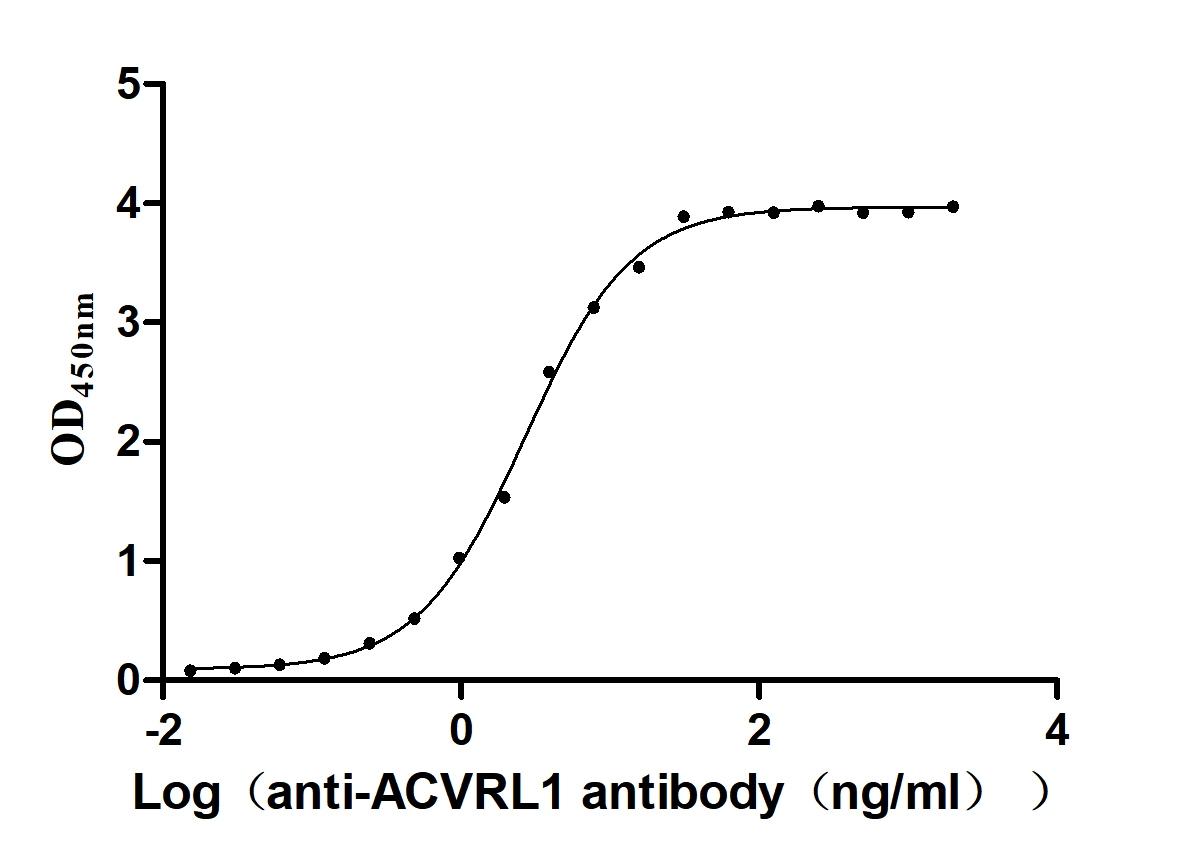
Recombinant Human Serine/threonine-protein kinase receptor R3 (ACVRL1), partial (Active)
Express system: Baculovirus
Species: Homo sapiens (Human)
-
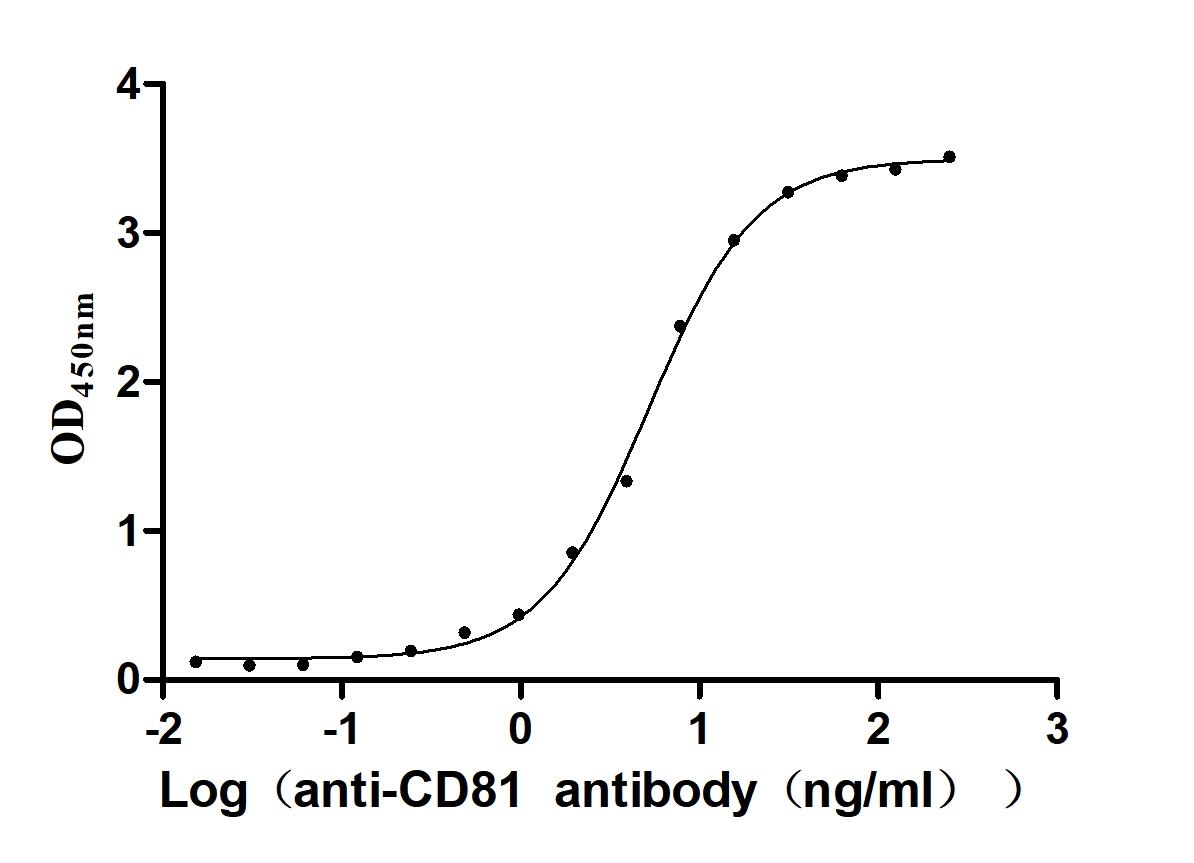
Recombinant Human CD81 antigen (CD81), partial (Active)
Express system: Mammalian cell
Species: Homo sapiens (Human)
-
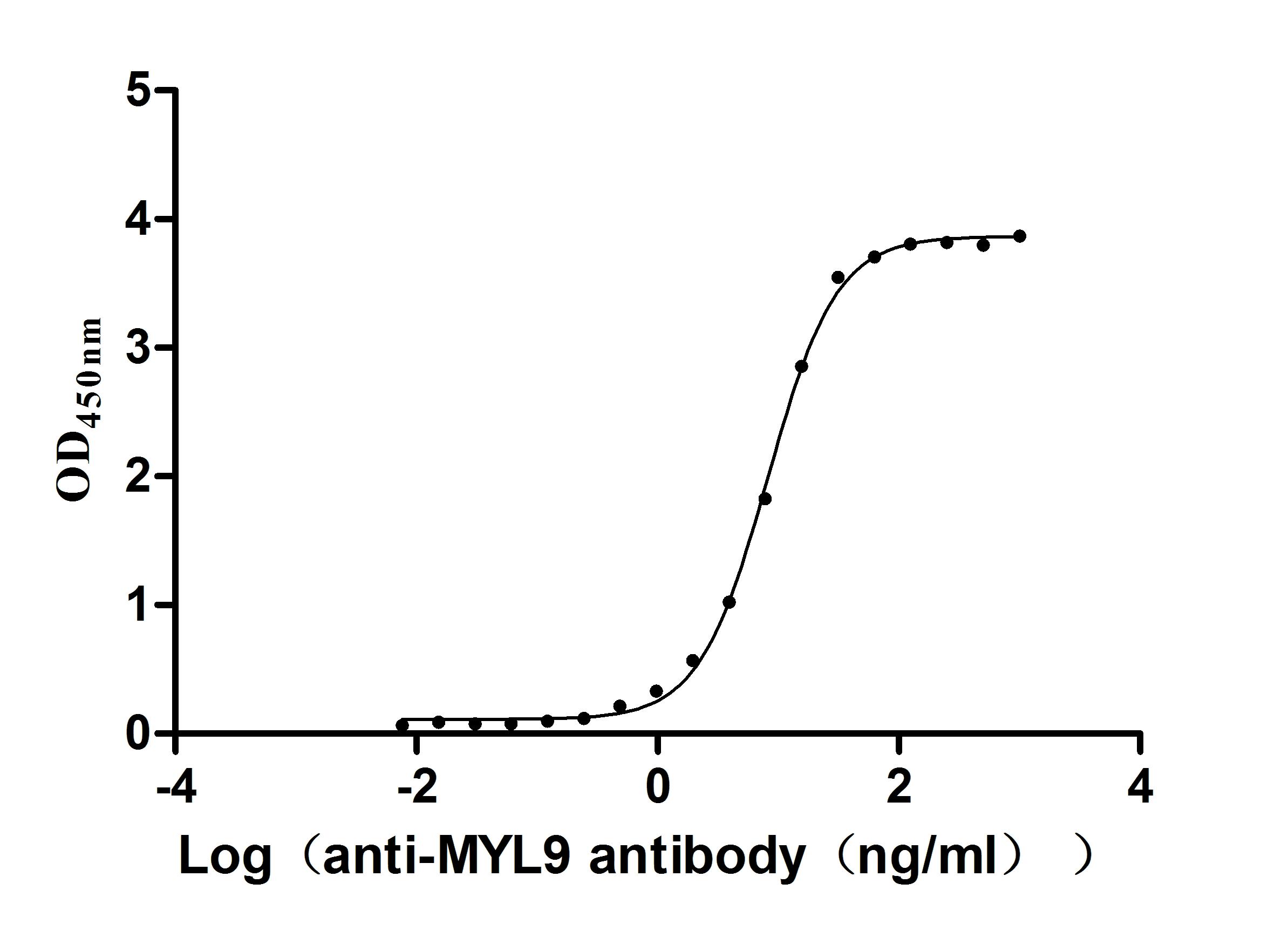
Recombinant Human Myosin regulatory light chain 12B (MYL12B) (Active)
Express system: E.coli
Species: Homo sapiens (Human)
-
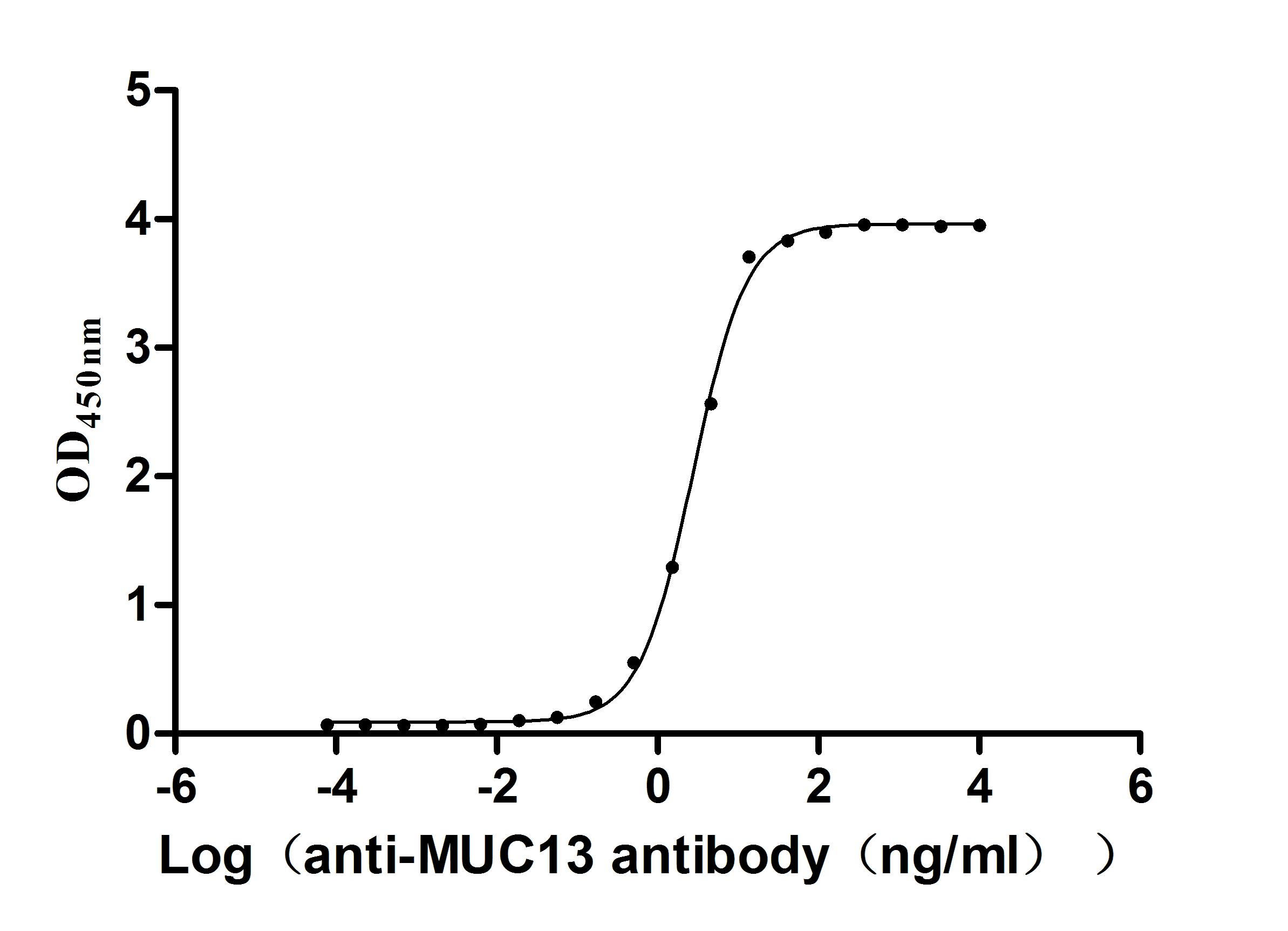
Recombinant Human Mucin-13(MUC13),partial (Active)
Express system: yeast
Species: Homo sapiens (Human)