Recombinant Human Latent-transforming growth factor beta-binding protein 2 (LTBP2), partial
-
中文名稱:人LTBP2重組蛋白
-
貨號:CSB-YP621790HU
-
規格:
-
來源:Yeast
-
其他:
-
中文名稱:人LTBP2重組蛋白
-
貨號:CSB-EP621790HU
-
規格:
-
來源:E.coli
-
其他:
-
中文名稱:人LTBP2重組蛋白
-
貨號:CSB-EP621790HU-B
-
規格:
-
來源:E.coli
-
共軛:Avi-tag Biotinylated
E. coli biotin ligase (BirA) is highly specific in covalently attaching biotin to the 15 amino acid AviTag peptide. This recombinant protein was biotinylated in vivo by AviTag-BirA technology, which method is BriA catalyzes amide linkage between the biotin and the specific lysine of the AviTag.
-
其他:
-
中文名稱:人LTBP2重組蛋白
-
貨號:CSB-BP621790HU
-
規格:
-
來源:Baculovirus
-
其他:
-
中文名稱:人LTBP2重組蛋白
-
貨號:CSB-MP621790HU
-
規格:
-
來源:Mammalian cell
-
其他:
產品詳情
-
純度:>85% (SDS-PAGE)
-
基因名:
-
Uniprot No.:
-
別名:C14orf141; Chromosome 14 open reading frame 141; Latent TGF beta binding protein 2; Latent transforming growth factor beta binding protein 2; Latent-transforming growth factor beta-binding protein 2; LTBP 2; LTBP 3; LTBP-2; Ltbp2; LTBP2_HUMAN; LTBP3; MSTP 031; MSTP031
-
種屬:Homo sapiens (Human)
-
蛋白長度:Partial
-
蛋白標簽:Tag?type?will?be?determined?during?the?manufacturing?process.
The tag type will be determined during production process. If you have specified tag type, please tell us and we will develop the specified tag preferentially. -
產品提供形式:Lyophilized powder
Note: We will preferentially ship the format that we have in stock, however, if you have any special requirement for the format, please remark your requirement when placing the order, we will prepare according to your demand. -
復溶:We recommend that this vial be briefly centrifuged prior to opening to bring the contents to the bottom. Please reconstitute protein in deionized sterile water to a concentration of 0.1-1.0 mg/mL.We recommend to add 5-50% of glycerol (final concentration) and aliquot for long-term storage at -20℃/-80℃. Our default final concentration of glycerol is 50%. Customers could use it as reference.
-
儲存條件:Store at -20°C/-80°C upon receipt, aliquoting is necessary for mutiple use. Avoid repeated freeze-thaw cycles.
-
保質期:The shelf life is related to many factors, storage state, buffer ingredients, storage temperature and the stability of the protein itself.
Generally, the shelf life of liquid form is 6 months at -20°C/-80°C. The shelf life of lyophilized form is 12 months at -20°C/-80°C. -
貨期:Delivery time may differ from different purchasing way or location, please kindly consult your local distributors for specific delivery time.Note: All of our proteins are default shipped with normal blue ice packs, if you request to ship with dry ice, please communicate with us in advance and extra fees will be charged.
-
注意事項:Repeated freezing and thawing is not recommended. Store working aliquots at 4°C for up to one week.
-
Datasheet :Please contact us to get it.
產品評價

相關產品
靶點詳情
-
功能:May play an integral structural role in elastic-fiber architectural organization and/or assembly.
-
基因功能參考文獻:
- Results revealed that the expression of LTBP2 was upregulated in gastric cancer (GC) tissues and cell lines. Increased LTBP2 expression was associated with poor overall survival in patients with early-stage [tumor-node-metastasis (TNM) I/II] and late-stage (TNM III/IV) GC. Furthermore, silencing of LTBP2 effectively suppressed the proliferation, migration, invasion and epithelial-mesenchymal transition in GC cells. PMID: 29620158
- effects of both oxidative stress and LTBP2 knockdown on the extracellular matrix and apoptosis may be mediated by TGFbeta and BMP signaling pathway activation PMID: 29908281
- LTBP2 is a novel biomarker for the diagnosis of pancreatic cancer. PMID: 28669978
- Our data suggest that LTBP2 acts as an oncogene in head and neck squamous cell carcinoma development and progression PMID: 27281608
- knockdown of LTBP2 inhibits invasion and tumorigenesis in thyroid carcinoma cells. PMID: 27712597
- We identified one nonsense mutation (c.2421G>A, p.W807X) in LTBP2 in eight Indian families. Among the mutations identified W807X in LTBP2 represent novel mutations. PMID: 28384041
- The results showed that no deleterious mutations were found in coding regions of LTBP2 in patients with PCG, suggesting that it is not a causal gene for primary congenital glaucoma in the Han Chinese population. PMID: 27293371
- LTBP-2 and FGF-2 are co-localized in fibrotic human keloid and hypertrophic scar. PMID: 26644005
- LTBP-2 is a potent inhibitor of FGF-2 that may influence FGF-2 bioactivity during wound repair particularly in fibrotic tissues. PMID: 26263555
- LTBP2 was able to reduce phosphorylation of p65 at Serine 536, inhibit nuclear localization of active phosphorylated p65, and impair the p65 DNA-binding ability. This results in a consequential down-regulation of p65-related gene expression. PMID: 25974126
- LTBP-2 is an essential component for the formation of microfibril bundles in ciliary zonules. PMID: 24908666
- perlecan HS was not essential for latent transforming growth factor-beta-1 binding protein-2 deposition PMID: 24867584
- Overall the results indicate that LTBP-2 may have a negative regulatory role during elastic fiber assembly, perhaps in displacing elastin microassemblies from complexes with fibulin-5 and/or cell surface heparan sulfate proteoglycans. PMID: 24148803
- Increased plasma levels of LTBP2 and/or OPN are present in plasma up to 2 years prior to diagnosis of hepatocellular carcinoma. PMID: 24803312
- Some LTBP2 sequence variations can contribute to the etiology of primary open angle glaucoma (POAG) and pseudoexfoliation (PEX) glaucoma syndrome. PMID: 23401661
- No pathogenic variants are identified in the LTBP2 gene in a cohort of patients with primary congenital glaucoma. PMID: 23378721
- LTBP2 mutations were not found in the Turkish GLC3C-linked primary congenital glaucoma (PCG) family or in 94 British CYP1B1-negative PCG cases. PMID: 22924778
- LTBP-2, in response to tension stress, may negatively control the function of fibulin-5, thereby modulating the mechanism of oxytalan fiber coalescence. PMID: 22827404
- This study analyzed CYP1B1, LTBP2, and MYOC mutations in a cohort of primary congenital glaucoma patients from the United States, applying whole exome sequencing PMID: 23218701
- Promoter hypermethylation was found to be involved in LTBP-2 silencing. PMID: 22743615
- Data show that median level of latent TGF-beta binding protein (LTBP) in myocardial samples from heart failure patients was significantly elevated. PMID: 22515403
- LTBP2 mutations cause Weill-Marchesani and Weill-Marchesani-like syndrome and affect disruptions in the extracellular matrix. PMID: 22539340
- plasma levels of LTBP2 present a novel and powerful predictor of all-cause mortality, and particularly pulmonary death PMID: 22587491
- Demonstrate specific immunolocalization of fibrillin-1, MAGP-1, and LTBP-1 with elastin in the outer annulus fibrosus of the fetal human intravertebral disc. PMID: 21540769
- Novel homozygous mutations in the LTBP-2 gene segregated with the phenotype in each affected consanguineous family cause congenital megalocornea with zonular weakness and childhood lens-related secondary glaucoma. PMID: 22025892
- A proteomic approach for identification and localization of the pericellular components of chondrocytes PMID: 21698479
- This study provided evidence that the IL-17A-197 G/A and TGFR-beta2-875 A/G genotype is closely related to hemorrhage risk for patients with brain arteriovenous malformation. PMID: 21737283
- Latent transforming growth factor beta-binding proteins-2 and -3 inhibit the proprotein convertase 5/6A. PMID: 21700711
- Preliminary observations on compounds with mutations in both CYP1B1-LTBP2 suggest that the observed combinations are of no clinical significance and digenic inheritance is unlikely. PMID: 21081970
- A susceptibility locus was identified on chromosome 14q24.3-31.2. The candidate functional gene is LTBP2. A suggestive linkage for mandibular prognathism in a Han Chinese pedigree. PMID: 21041550
- Study suggests a role for LTBP2 in the structural stability of ciliary zonules, and growth and development of lens. PMID: 20617341
- Biallelic null LTBP2 mutations cause the ocular phenotype in both families and could lead to Marfan-like features in older children. PMID: 20179738
- The authors reported that the isolated microspherophakia (MIM 251750) is caused by a mutation in the LTBP2 gene. The results suggested a role for LTBP2 in the growth and development of lens, and structural stability of ciliary zonules. PMID: 20617341
- LTBP-2 can play a role in melanoma cell adhesion PMID: 12716902
- These results suggest a novel regulatory mechanism of elastic fiber assembly in which LTBP-2 regulates targeting of DANCE on suitable microfibrils to form elastic fibers. PMID: 17581631
- LTBP2 is a novel positional candidate gene in chromosome 14q quantitative trait locos for bone density variation and fracture. PMID: 18697872
- LTBP2 is essential for normal development of the anterior chamber of the eye, where it may have a structural role in maintaining ciliary muscle tone. PMID: 19361779
- Loss of function mutations in LTBP2 cause the congenital glaucoma. PMID: 19656777
- Extracellular matrix association of LTBP-2 in cultured human embryonic lung fibroblasts depends on a pre-formed fibrillin-1 network. PMID: 19681046
顯示更多
收起更多
-
相關疾病:Glaucoma 3, primary congenital, D (GLC3D); Microspherophakia and/or megalocornea, with ectopia lentis and with or without secondary glaucoma (MSPKA); Weill-Marchesani syndrome 3 (WMS3)
-
亞細胞定位:Secreted, extracellular space, extracellular matrix.
-
蛋白家族:LTBP family
-
組織特異性:Expressed in the aorta (at protein level). Expressed in lung, weakly expressed in heart, placenta, liver and skeletal muscle.
-
數據庫鏈接:
Most popular with customers
-
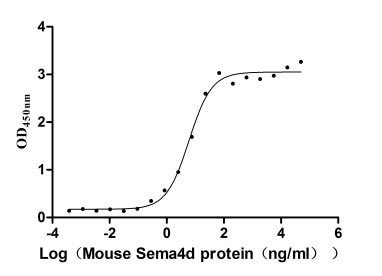
Recombinant Mouse Semaphorin-4D (Sema4d), partial (Active)
Express system: Mammalian cell
Species: Mus musculus (Mouse)
-
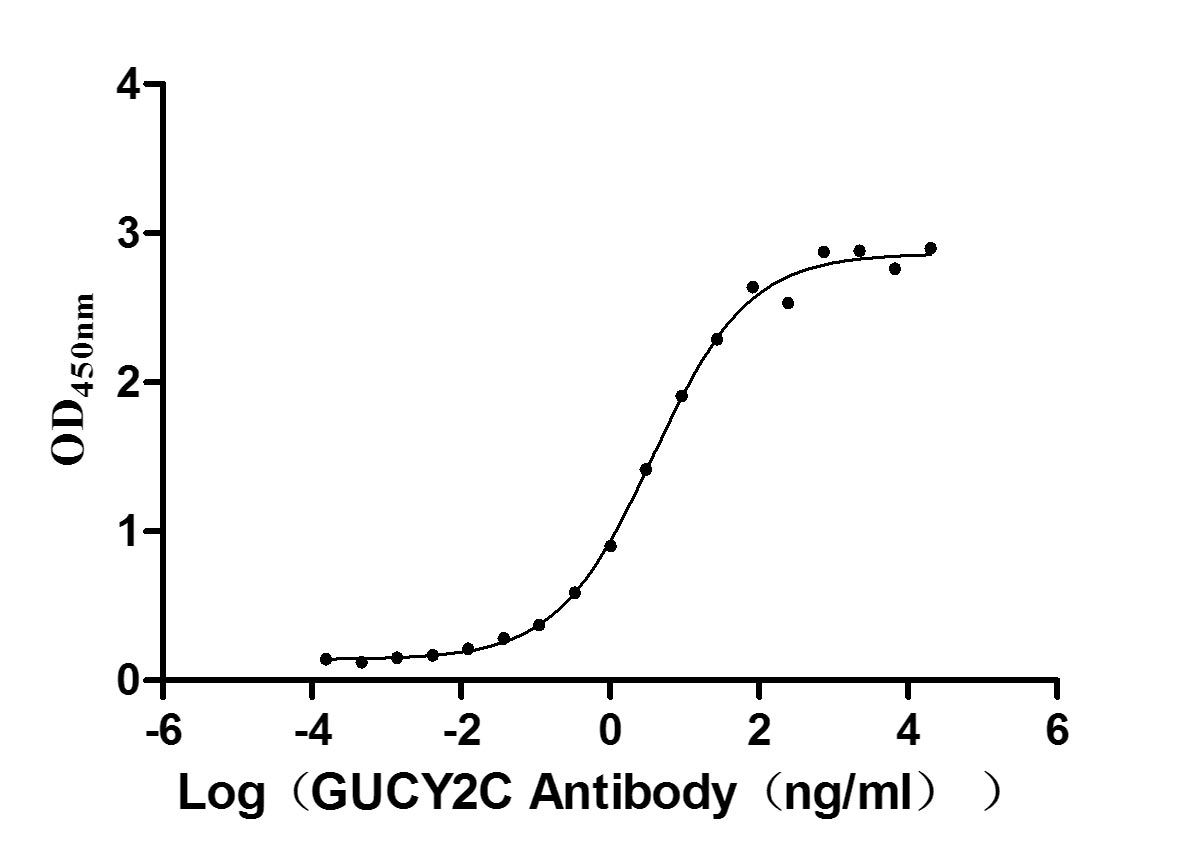
Recombinant Human Heat-stable enterotoxin receptor (GUCY2C), partial (Active)
Express system: Mammalian cell
Species: Homo sapiens (Human)
-
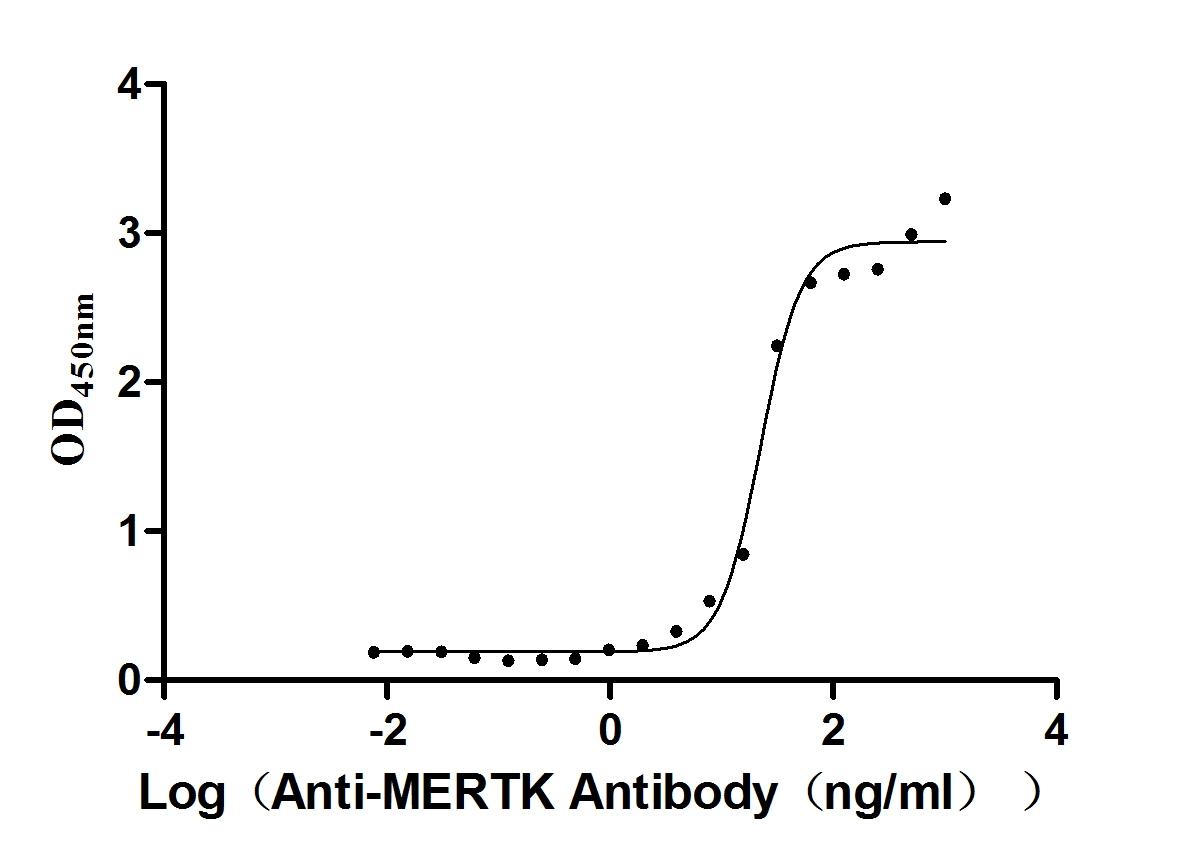
Recombinant Mouse Tyrosine-protein kinase Mer (Mertk), partial (Active)
Express system: Mammalian cell
Species: Mus musculus (Mouse)
-
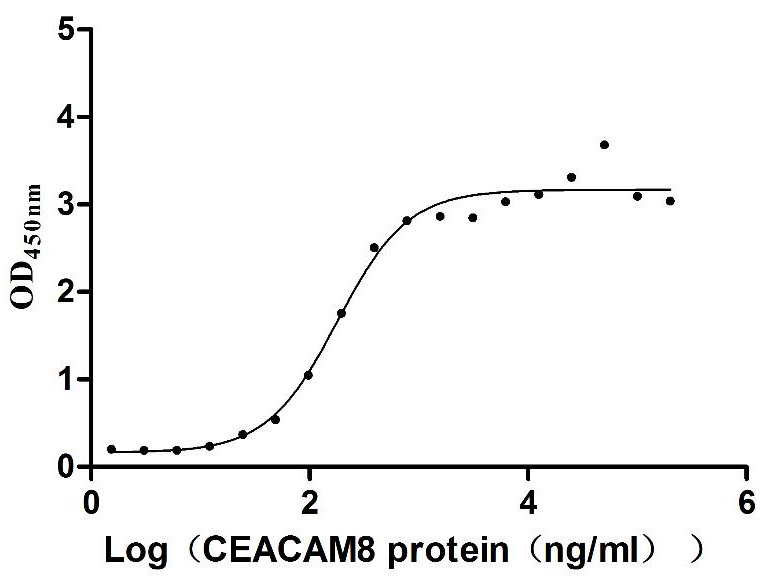
Recombinant Human Carcinoembryonic antigen-related cell adhesion molecule 6 (CEACAM6) (Active)
Express system: Mammalian cell
Species: Homo sapiens (Human)
-
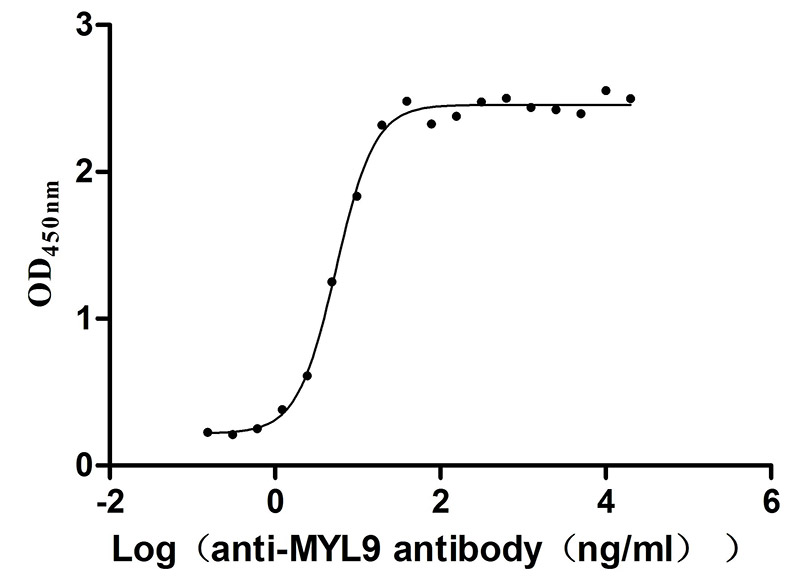
Recombinant Human Myosin regulatory light polypeptide 9 (MYL9) (Active)
Express system: Yeast
Species: Homo sapiens (Human)
-
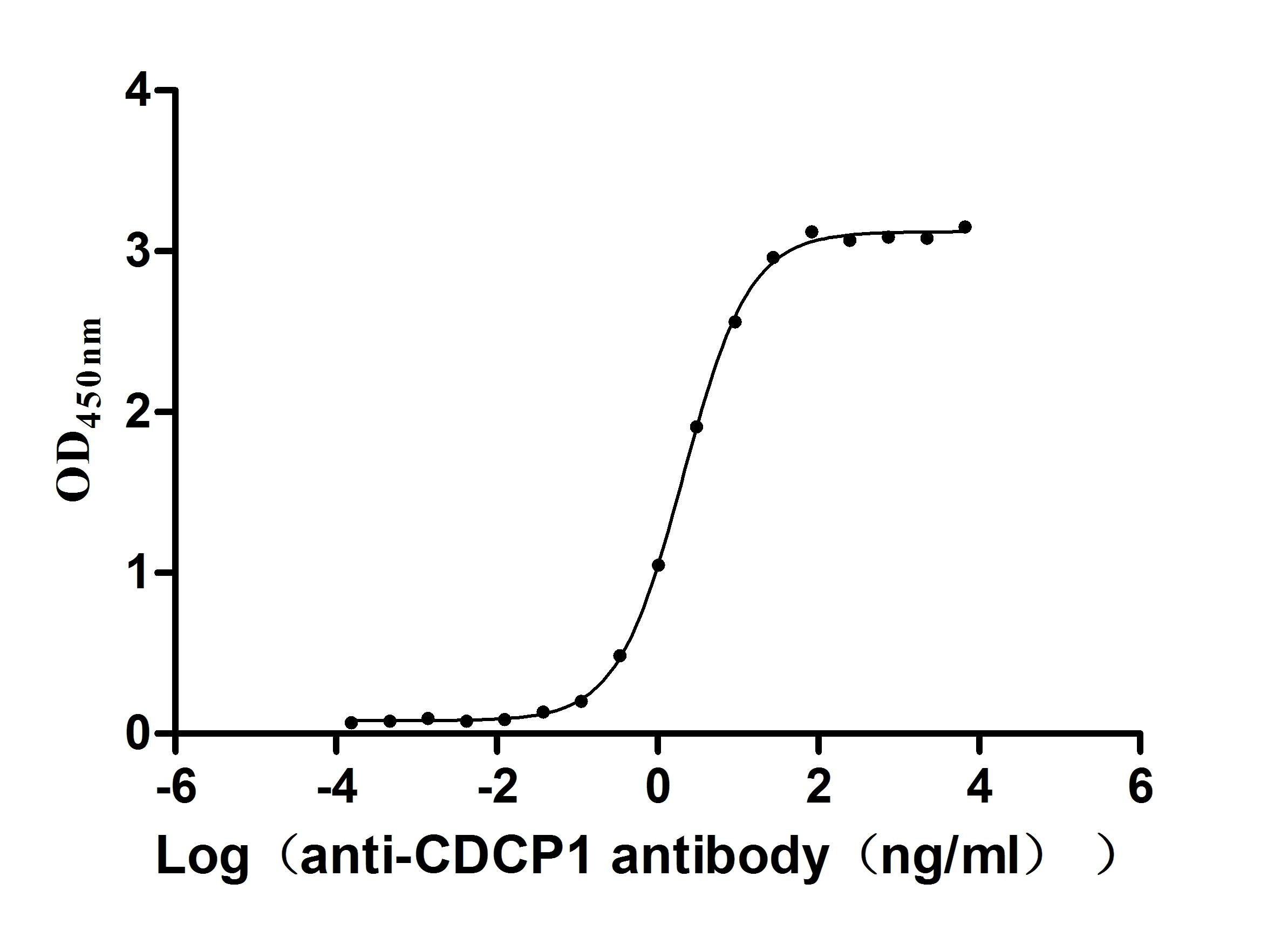
Recombinant Macaca fascicularis CUB domain containing protein 1 (CDCP1), partial (Active)
Express system: Mammalian cell
Species: Macaca fascicularis (Crab-eating macaque) (Cynomolgus monkey)
-
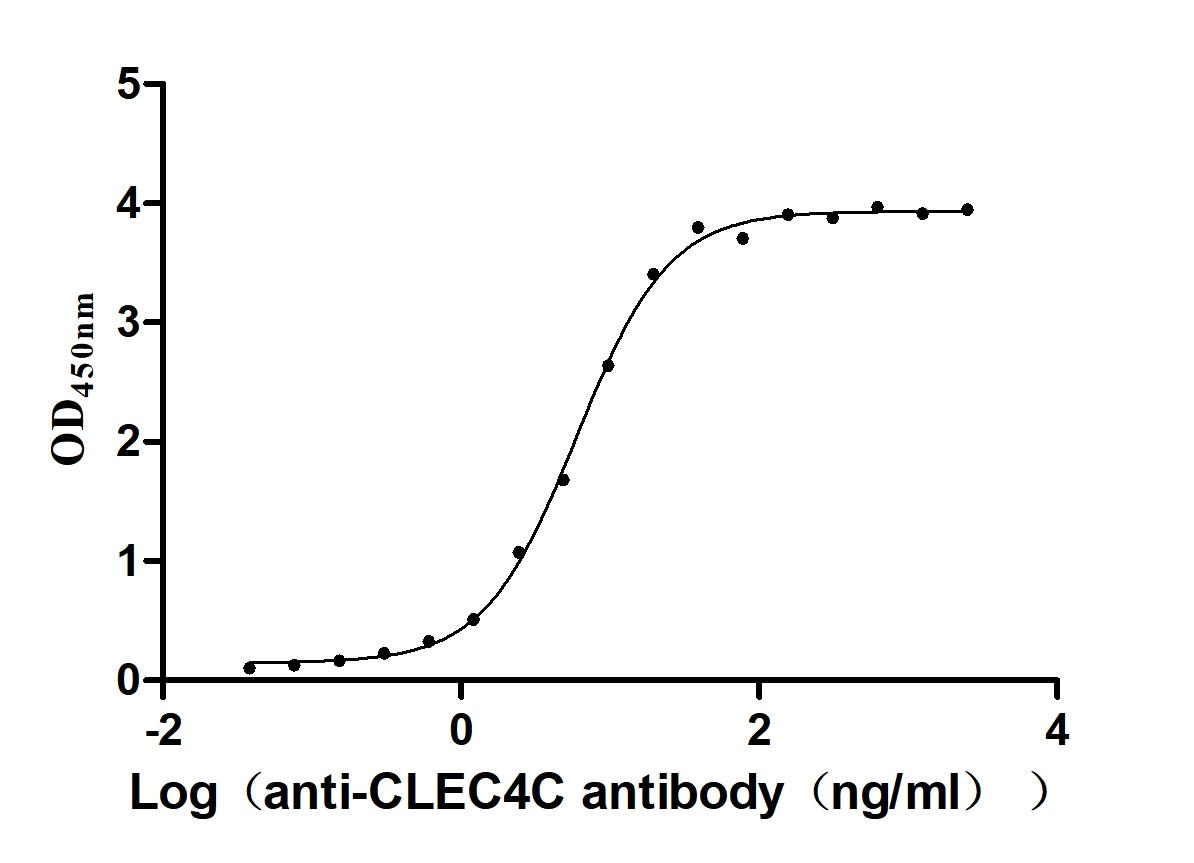
Recombinant Macaca fascicularis C-type lectin domain family 4 member C(CLEC4C), partial (Active)
Express system: Mammalian cell
Species: Macaca fascicularis (Crab-eating macaque) (Cynomolgus monkey)
-
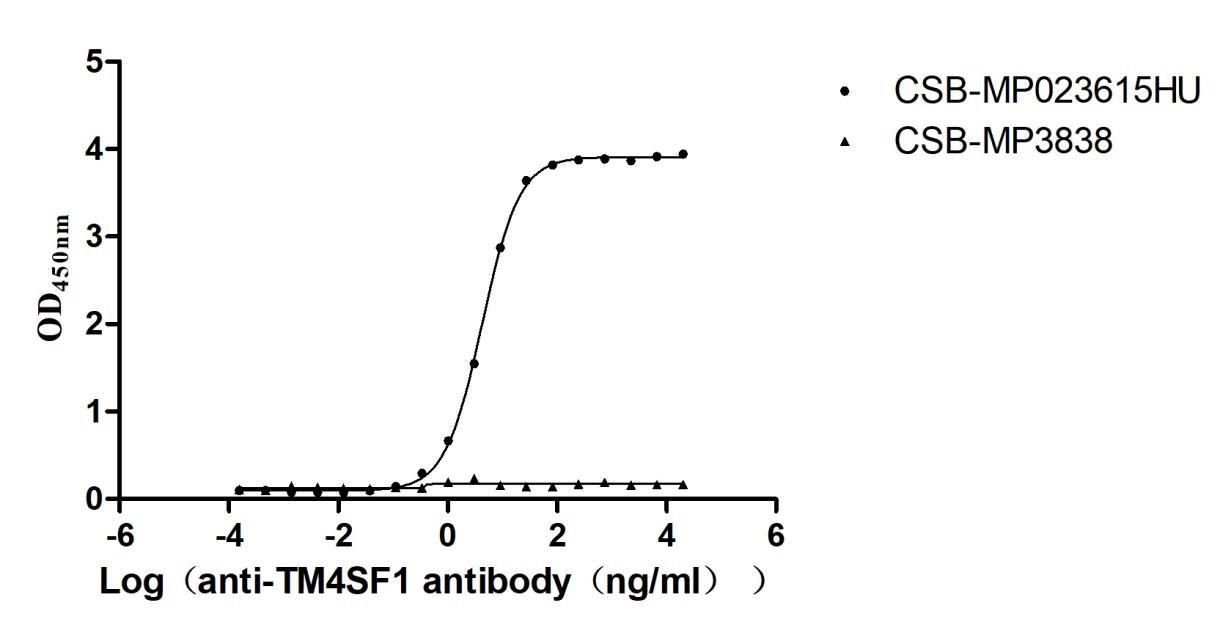
Recombinant Human Transmembrane 4 L6 family member 1(TM4SF1)-VLPs (Active)
Express system: Mammalian cell
Species: Homo sapiens (Human)