Recombinant Human P2X purinoceptor 2 (P2RX2), partial
-
中文名稱:人P2RX2重組蛋白
-
貨號:CSB-YP880063HU
-
規格:
-
來源:Yeast
-
其他:
-
中文名稱:人P2RX2重組蛋白
-
貨號:CSB-EP880063HU
-
規格:
-
來源:E.coli
-
其他:
-
中文名稱:人P2RX2重組蛋白
-
貨號:CSB-EP880063HU-B
-
規格:
-
來源:E.coli
-
共軛:Avi-tag Biotinylated
E. coli biotin ligase (BirA) is highly specific in covalently attaching biotin to the 15 amino acid AviTag peptide. This recombinant protein was biotinylated in vivo by AviTag-BirA technology, which method is BriA catalyzes amide linkage between the biotin and the specific lysine of the AviTag.
-
其他:
-
中文名稱:人P2RX2重組蛋白
-
貨號:CSB-BP880063HU
-
規格:
-
來源:Baculovirus
-
其他:
-
中文名稱:人P2RX2重組蛋白
-
貨號:CSB-MP880063HU
-
規格:
-
來源:Mammalian cell
-
其他:
產品詳情
-
純度:>85% (SDS-PAGE)
-
基因名:
-
Uniprot No.:
-
別名:ATP receptor; MGC129601; P2RX 2; P2RX2; P2RX2_HUMAN; P2X purinoceptor 2; P2X Receptor subunit 2; P2X2; P2X2a; Purinergic receptor; Purinergic receptor P2X ligand gated ion channel 2; Purinergic receptor P2X2 isoform A; Purinergic receptor P2X2 isoform B; Purinergic receptor P2X2 isoform C; Purinergic receptor P2X2 isoform D; Purinergic receptor P2X2 isoform H; Purinergic receptor P2X2 isoform I
-
種屬:Homo sapiens (Human)
-
蛋白長度:Partial
-
蛋白標簽:Tag?type?will?be?determined?during?the?manufacturing?process.
The tag type will be determined during production process. If you have specified tag type, please tell us and we will develop the specified tag preferentially. -
產品提供形式:Lyophilized powder
Note: We will preferentially ship the format that we have in stock, however, if you have any special requirement for the format, please remark your requirement when placing the order, we will prepare according to your demand. -
復溶:We recommend that this vial be briefly centrifuged prior to opening to bring the contents to the bottom. Please reconstitute protein in deionized sterile water to a concentration of 0.1-1.0 mg/mL.We recommend to add 5-50% of glycerol (final concentration) and aliquot for long-term storage at -20℃/-80℃. Our default final concentration of glycerol is 50%. Customers could use it as reference.
-
儲存條件:Store at -20°C/-80°C upon receipt, aliquoting is necessary for mutiple use. Avoid repeated freeze-thaw cycles.
-
保質期:The shelf life is related to many factors, storage state, buffer ingredients, storage temperature and the stability of the protein itself.
Generally, the shelf life of liquid form is 6 months at -20°C/-80°C. The shelf life of lyophilized form is 12 months at -20°C/-80°C. -
貨期:Delivery time may differ from different purchasing way or location, please kindly consult your local distributors for specific delivery time.Note: All of our proteins are default shipped with normal blue ice packs, if you request to ship with dry ice, please communicate with us in advance and extra fees will be charged.
-
注意事項:Repeated freezing and thawing is not recommended. Store working aliquots at 4°C for up to one week.
-
Datasheet :Please contact us to get it.
產品評價

相關產品
靶點詳情
-
功能:Ion channel gated by extracellular ATP involved in a variety of cellular responses, such as excitatory postsynaptic responses in sensory neurons, neuromuscular junctions (NMJ) formation, hearing, perception of taste and peristalsis. In the inner ear, regulates sound transduction and auditory neurotransmission, outer hair cell electromotility, inner ear gap junctions, and K(+) recycling. Mediates synaptic transmission between neurons and from neurons to smooth muscle.
-
基因功能參考文獻:
- identified P2RX2, KCNQ5, ERBB3 and SOCS3 to be associated with the progression of age-related hearing impairment PMID: 29325454
- These findings indicate that the CaMKII-mediated GluA1 phosphorylation of S567 and S831 is critical for P2X2-mediated AMPAR internalization and ATP-driven synaptic depression. PMID: 27624155
- Data show that monoclonal antibodies directed against human P2X3 (12D4) potentiated the slow inactivating current mediated by the heteromeric purinergic receptor hP2X2/3 channel. PMID: 27129281
- Results demonstrate that the stoichiometry of the heterotrimeric hP2X2/3 receptor is not fixed, but determined by the relative availability of P2X2 and P2X3 subunits PMID: 26184350
- The results from this study demonstrate that there is a significant difference in the expression of the purinergic P2X2, P2X3 and P2X7 receptors in the different histological layers of the human urinary bladder. PMID: 26253104
- A novel mutation in the P2RX2 gene was identified in a MELAS family. PMID: 25788561
- The locus designated DFNA41 maps to a 15 cM region on chromosome 12q24.32-qter, proximal to the marker D12S1609. PMID: 12161595
- Molecular analyses of P2RX2 identified a novel missense mutation. PMID: 24211385
- Data indicate that the P2X2(I328C) receptor was activated by propyl-methanethiosulfonate (MTS) as effectively as by ATP. PMID: 24273165
- Data indicate that MgATP2- activates P2X1 and P2X3, but not P2X2 and P2X4 receptors. PMID: 23959888
- the contribution of the extracellular, transmembrane, and intracellular segments to recovery from desensitization PMID: 23740251
- analysis of dominantly inherited, progressive sensorineural hearing loss DFNA41 in a six-generation kindred revealed a rare heterozygous allele, P2RX2 c.178G > T (p.V60L), at chr12:133,196,029, which cosegregated with fully penetrant hearing loss PMID: 23345450
- trimeric P2X receptors containing only two intact binding sites can be readily activated by ATP. PMID: 22828800
- High potency zinc modulation of human P2X2 receptors and low potency zinc modulation of rat P2X2 receptors share a common molecular mechanism PMID: 22556417
- one subunit of P2X2 and two subunits of P2X3 form P2X2/3 heteromeric receptors, whereas two subunits of P2X2 and one subunit of P2X6 constitute P2X2/6 receptors PMID: 22378790
- Studies indicate that P2X1, P2X2, and P2X4 receptors are detected in preglomerular microvessels. PMID: 21768526
- analysis of agonists trapped in ATP-binding sites of the P2X2 receptor PMID: 21576497
- GABA(A) receptor dynamics are regulated by interaction with purinergic P2X(2) receptors PMID: 21343285
- Data suggest that interactions between alpha3beta4 nAChRs and P2X2 receptors may modulate transmission at enteric synapses that use ATP and acetylcholine as co-transmitters. PMID: 20426799
- Lipid raft association and cholesterol sensitivity of P2X1-4 receptors for ATP PMID: 20699225
- Whole-cell voltage clamp recordings functionally correlated immunolocalisation of ATP-gated ion channels in isolated hair cells and supporting cells. P2X immunoreactivity was widespread throughout the epithelial lining of the cochlea. PMID: 12395104
- Data provide biochemical evidence that in addition to the rapidly desensitising P2X1 and P2X3 receptors, the slowly desensitising subtypes P2X2, P2X4, and P2X5 are trimers of identical subunits. PMID: 15313628
- Effect of acute hypoxia on cloned homo- and heteromeric P2X2 receptors expressed in human embryonic kidney 293 cells. PMID: 15331767
- P2X(2) receptors are trimers, whereas the P2X(6) receptor subunits do not form stable oligomers PMID: 15657042
- support a common site of ATP action at P2X receptors and suggest that non-conserved residues also play a regulatory role in agonist action PMID: 18487206
- VILIP1 constitutively binds to P2X2 receptors and displays enhanced interactions in an activation- and calcium-dependent manner owing to exposure of its binding segment in P2X2 receptors PMID: 18922787
- Specimens (12/15) from patients with spinal cord lesions and specimens (8/11) demonstrated strong staining for P(2)X(2) receptors in the detrusor muscle and the urothelium. PMID: 19104511
- Intracellular cysteine430 residue mediates the potentiation of P2X2 receptor activity by reactive oxygen species. PMID: 19793987
顯示更多
收起更多
-
相關疾病:Deafness, autosomal dominant, 41 (DFNA41)
-
亞細胞定位:Cell membrane; Multi-pass membrane protein. Note=Localizes to the apical membranes of hair cells in the organ of Corti.
-
蛋白家族:P2X receptor family
-
數據庫鏈接:
Most popular with customers
-
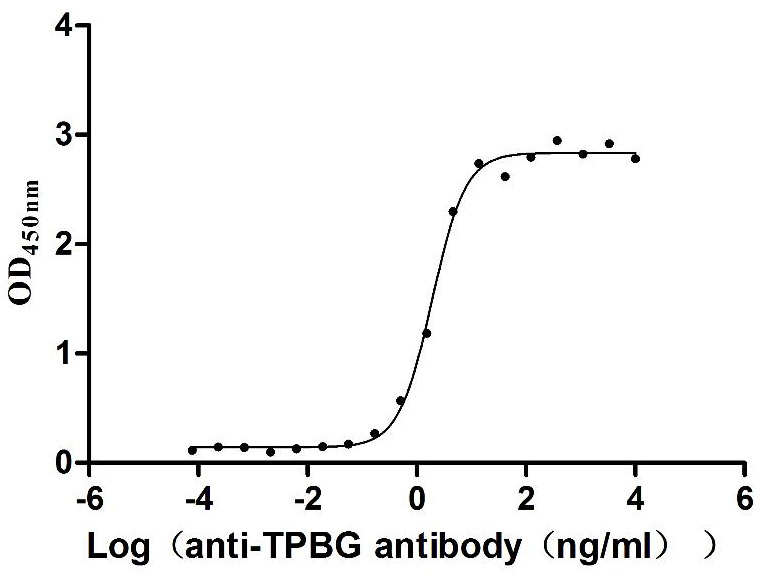
Recombinant Macaca fascicularis Trophoblast glycoprotein (TPBG), partial (Active)
Express system: Mammalian cell
Species: Macaca fascicularis (Crab-eating macaque) (Cynomolgus monkey)
-
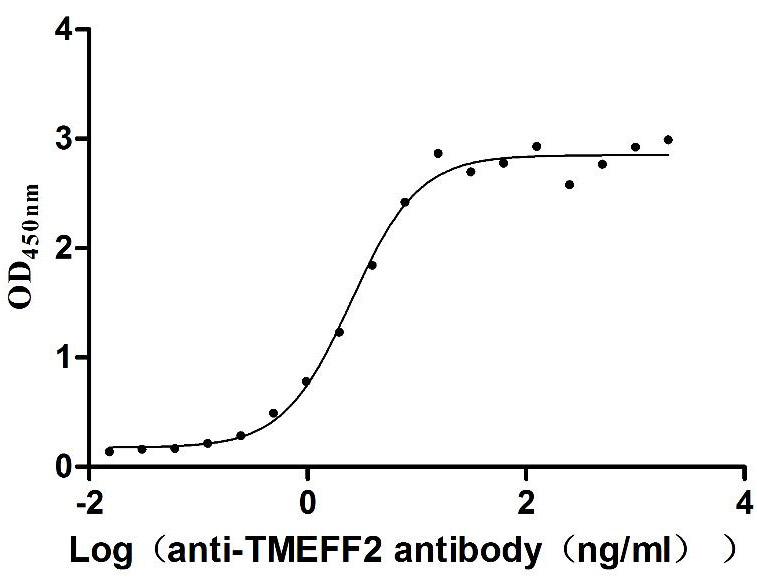
Recombinant Human Tomoregulin-2 (TMEFF2), partial (Active)
Express system: Mammalian cell
Species: Homo sapiens (Human)
-
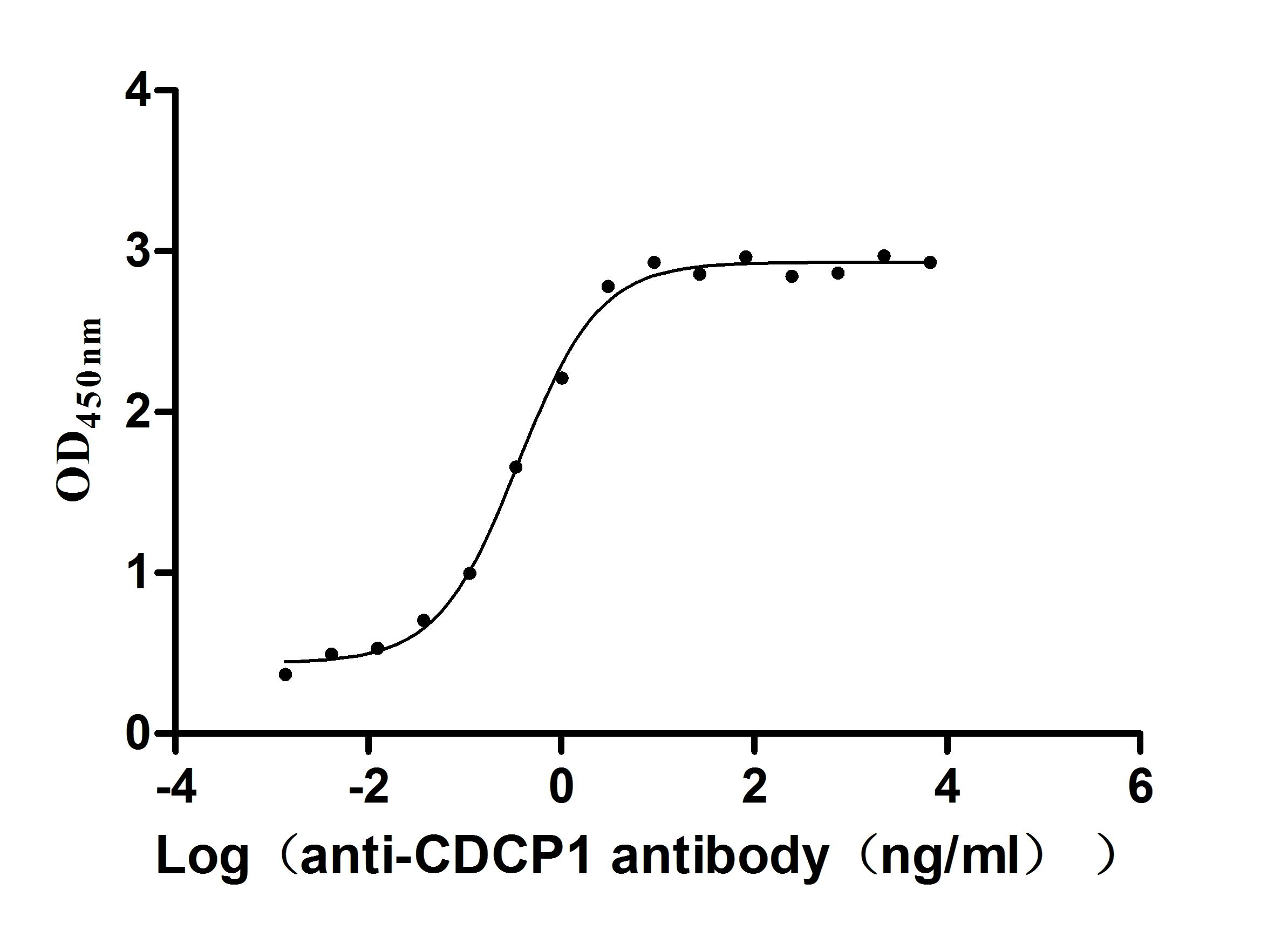
Recombinant Human CUB domain-containing protein 1 (CDCP1), partial (Active)
Express system: Mammalian cell
Species: Homo sapiens (Human)
-
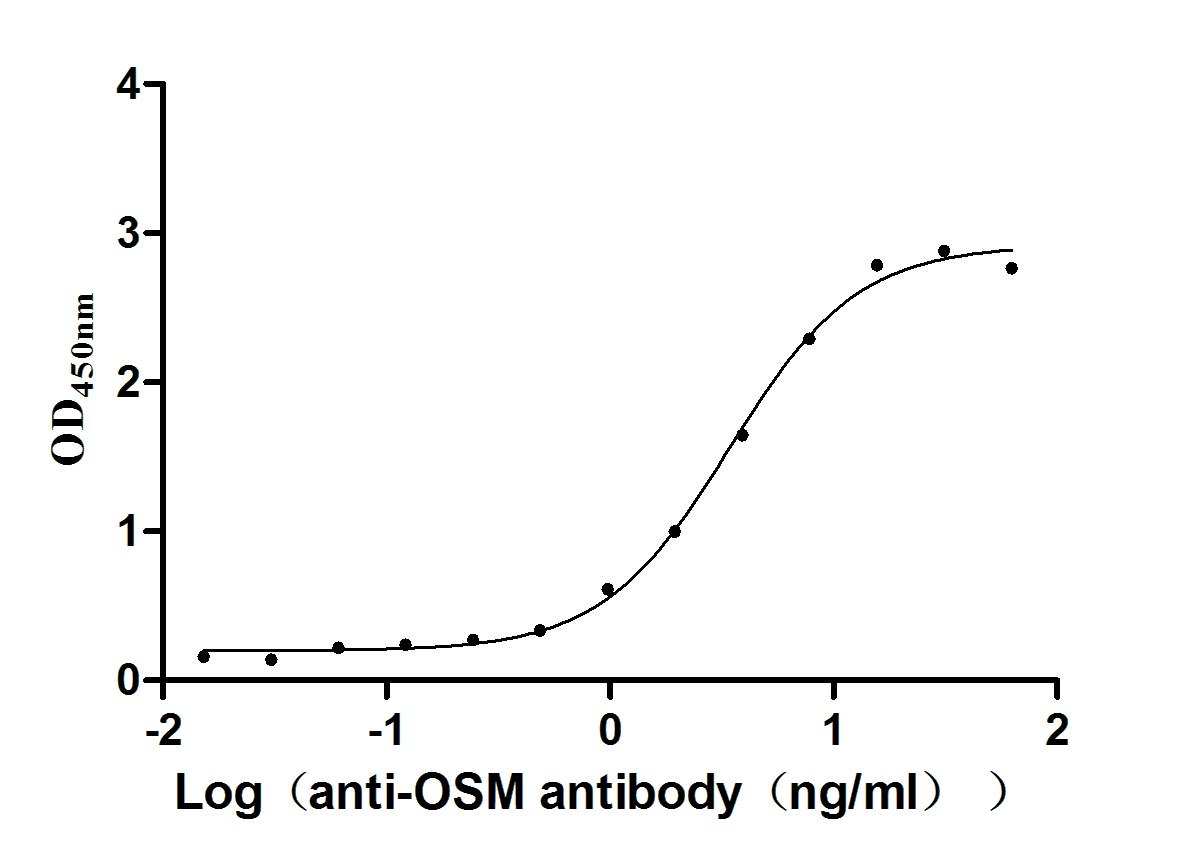
Recombinant Human Oncostatin-M (OSM), partial (Active)
Express system: Mammalian cell
Species: Homo sapiens (Human)
-
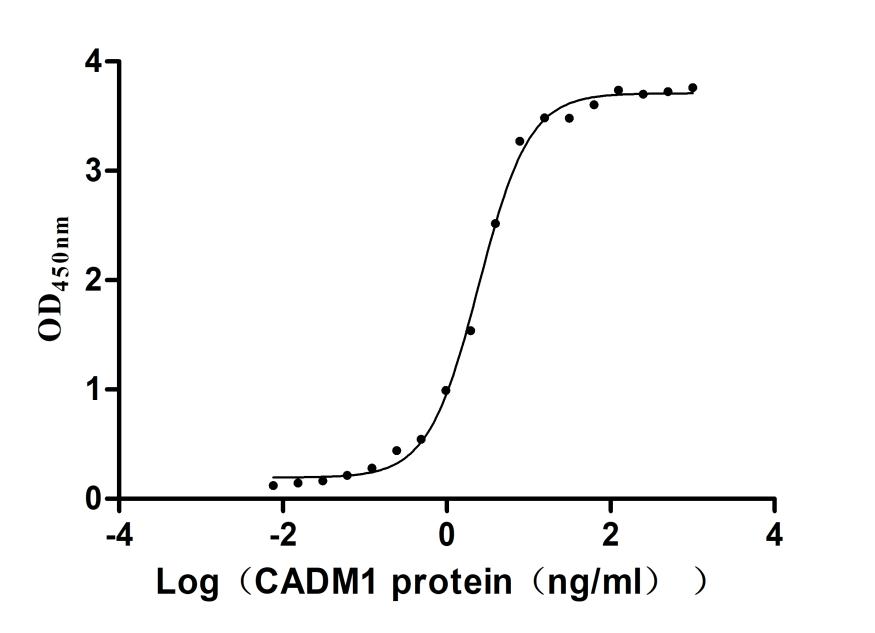
Recombinant Human Cytotoxic and regulatory T-cell molecule (CRTAM), partial (Active)
Express system: Mammalian cell
Species: Homo sapiens (Human)
-
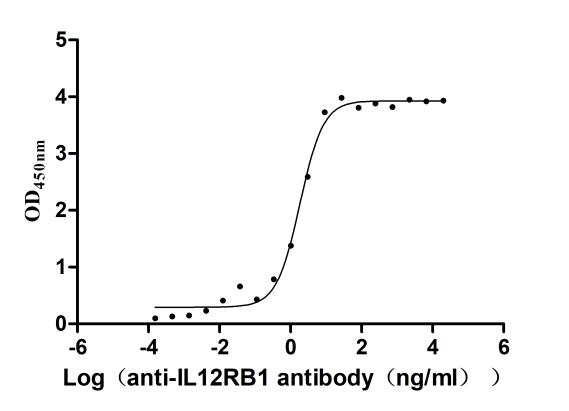
Recombinant Human Interleukin-12 receptor subunit beta-1(IL12RB1),partial (Active)
Express system: Mammalian cell
Species: Homo sapiens (Human)
-
-AC1.jpg)
Recombinant Human Tumor necrosis factor ligand superfamily member 15(TNFSF15) (Active)
Express system: Mammalian cell
Species: Homo sapiens (Human)
-
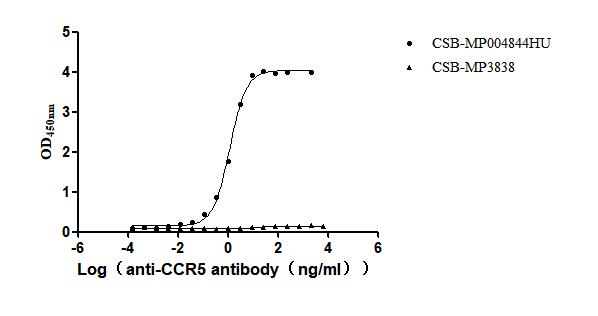
Recombinant Human C-C chemokine receptor type 5 (CCR5)-VLPs (Active)
Express system: Mammalian cell
Species: Homo sapiens (Human)