Recombinant Mouse Phosphatidate phosphatase LPIN1 (Lpin1), partial
-
中文名稱:小鼠Lpin1重組蛋白
-
貨號:CSB-YP842063MO
-
規(guī)格:
-
來源:Yeast
-
其他:
-
中文名稱:小鼠Lpin1重組蛋白
-
貨號:CSB-EP842063MO
-
規(guī)格:
-
來源:E.coli
-
其他:
-
中文名稱:小鼠Lpin1重組蛋白
-
貨號:CSB-EP842063MO-B
-
規(guī)格:
-
來源:E.coli
-
共軛:Avi-tag Biotinylated
E. coli biotin ligase (BirA) is highly specific in covalently attaching biotin to the 15 amino acid AviTag peptide. This recombinant protein was biotinylated in vivo by AviTag-BirA technology, which method is BriA catalyzes amide linkage between the biotin and the specific lysine of the AviTag.
-
其他:
-
中文名稱:小鼠Lpin1重組蛋白
-
貨號:CSB-BP842063MO
-
規(guī)格:
-
來源:Baculovirus
-
其他:
-
中文名稱:小鼠Lpin1重組蛋白
-
貨號:CSB-MP842063MO
-
規(guī)格:
-
來源:Mammalian cell
-
其他:
產(chǎn)品詳情
-
純度:>85% (SDS-PAGE)
-
基因名:
-
Uniprot No.:
-
別名:Lpin1; FldPhosphatidate phosphatase LPIN1; EC 3.1.3.4; Fatty liver dystrophy protein; Lipin-1
-
種屬:Mus musculus (Mouse)
-
蛋白長度:Partial
-
蛋白標(biāo)簽:Tag?type?will?be?determined?during?the?manufacturing?process.
The tag type will be determined during production process. If you have specified tag type, please tell us and we will develop the specified tag preferentially. -
產(chǎn)品提供形式:Lyophilized powder
Note: We will preferentially ship the format that we have in stock, however, if you have any special requirement for the format, please remark your requirement when placing the order, we will prepare according to your demand. -
復(fù)溶:We recommend that this vial be briefly centrifuged prior to opening to bring the contents to the bottom. Please reconstitute protein in deionized sterile water to a concentration of 0.1-1.0 mg/mL.We recommend to add 5-50% of glycerol (final concentration) and aliquot for long-term storage at -20℃/-80℃. Our default final concentration of glycerol is 50%. Customers could use it as reference.
-
儲存條件:Store at -20°C/-80°C upon receipt, aliquoting is necessary for mutiple use. Avoid repeated freeze-thaw cycles.
-
保質(zhì)期:The shelf life is related to many factors, storage state, buffer ingredients, storage temperature and the stability of the protein itself.
Generally, the shelf life of liquid form is 6 months at -20°C/-80°C. The shelf life of lyophilized form is 12 months at -20°C/-80°C. -
貨期:Delivery time may differ from different purchasing way or location, please kindly consult your local distributors for specific delivery time.Note: All of our proteins are default shipped with normal blue ice packs, if you request to ship with dry ice, please communicate with us in advance and extra fees will be charged.
-
注意事項:Repeated freezing and thawing is not recommended. Store working aliquots at 4°C for up to one week.
-
Datasheet :Please contact us to get it.
產(chǎn)品評價

靶點(diǎn)詳情
-
功能:Acts as a magnesium-dependent phosphatidate phosphatase enzyme which catalyzes the conversion of phosphatidic acid to diacylglycerol during triglyceride, phosphatidylcholine and phosphatidylethanolamine biosynthesis and therefore controls the metabolism of fatty acids at different levels. Acts also as nuclear transcriptional coactivator for PPARGC1A/PPARA regulatory pathway to modulate lipid metabolism gene expression. Is involved in adipocyte differentiation. Isoform 1 is recruited at the mitochondrion outer membrane and is involved in mitochondrial fission by converting phosphatidic acid to diacylglycerol.
-
基因功能參考文獻(xiàn):
- Study demonstrated that chronic alcohol feeding resulted in adipose tissue lipodystrophy and subsequent liver injury including ER stress and apoptosis. Overexpression of LPIN1 in adipose tissue protected mice against alcohol-induced liver injury through restoration of WAT lipid storage function and leptin secretion suggesting that LPIN1 plays a significant role in the pathogenesis of alcohol-induced lipodystrophy and ALD. PMID: 29323242
- Suppression of lipin 1 and lipin2 are the primary mechanism of increased phosphatidic acid levels in the liver during acetaminophen-induced liver injury and recovery. PMID: 29534981
- Data demonstrate that myeloid cell-specific deletion of lipin-1 ameliorated inflammation and alcoholic hepatitis in mice via activation of endocrine adiponectin-FGF15 signaling. PMID: 27666676
- Data suggest that phosphorylation does not affect catalytic activity of lipin 3 or its ability to associate with phosphatidic acid in vitro; different polybasic domains in lipin 1 and lipin 3 are responsible for phospho-regulation on the former but not the latter enzyme. PMID: 28982975
- The insulin resistance induced by lipin-1 downregulation was related to the disturbance of lipid homeostasis. Lipin-1 silencing reduced intracellular DAG and TAG levels, but elevated ceramide accumulation in C2C12 myotubes PMID: 28123341
- Time course analysis demonstrated that the adipogenic 'hub', sampled by PPARgamma and Lpin1, undergoes orchestrated reorganization during adipogenesis. PMID: 28755519
- Our findings provide new insights into the physiological roles of hepatic Lipin1 in systemic energy homeostasis, and suggest that the moderate inactivation of hepatic Lipin1 represents a promising approach for preventing the development of obesity. PMID: 27725442
- lipin-1 has a critical role in the regulation of macrophage inflammatory responses to modified-LDL PMID: 26288136
- c-fos has a role in increasing the catalytic efficiency of lipin 1 beta PMID: 26475860
- reveals a previously unknown role of lipin1 in skeletal muscle regeneration and expands our understanding of the cellular and molecular mechanisms underlying skeletal muscle regeneration PMID: 26296887
- deficits in hepatic PAP activity do not impair TG synthesis and accumulation PMID: 25722343
- lipin-1 PAP activity functions in autophagy to activate the PKD-Vps34 cascade to promote autolysosome maturation. PMID: 24930972
- The findings demonstrate an unanticipated role for lipin-1 as a mediator of macrophage proinflammatory activation and support a critical link between lipid biosynthesis and systemic inflammatory responses. PMID: 25252959
- in addition to their roles during early adipogenesis, lipin1 and lipin2 also have a role in lipid droplet biogenesis. PMID: 24133206
- hepatic removal of lipin-1 in mice augmented ethanol-induced impairment of hepatic fatty acid oxidation and lipoprotein production, likely by way of deactivation of peroxisome proliferator-activated receptor gamma coactivator-1 alpha. PMID: 23787969
- Data from atomic force microscopy suggest that (in the presence of 2 mM CaCl2) recombinant lipin 1b assembles on membranes (lipid bilayers) to form particles that on average are 12-fold larger than the lipin monomer. PMID: 23862673
- lipin1 functions as a key regulator of PPARgamma activity through its ability to release co-repressors and recruit co-activators via a mechanism other than PPARalpha activation PMID: 23627357
- These results suggested that ER stress might be involved inthe pathogenesis of obesity through lipin-1 depletion. PMID: 23291236
- Lipin 1 coactivates HNF4alpha to activate the expression of a variety of genes encoding enzymes involved in fatty acid catabolism. PMID: 23236470
- negatively controls mast cell degranulation and the anaphylactic response PMID: 23065777
- Lipin 1 is a reciprocal regulator of triglyceride synthesis and hydrolysis in adipocytes. PMID: 23267081
- The absence of Lpin1 leads to defects in adipocyte maturation. Inactivation of Lpin1 in mature adipocytes protects aP2Cre-ERT2/+/LpfEx2-3/fEx2-3 mice against high-fat-diet-induced obesity. PMID: 23028044
- Mouse lipin-1 and lipin-2 cooperate to maintain glycerolipid homeostasis in liver and aging cerebellum. PMID: 22908270
- Nrf1 binds to the antioxidant response elements (AREs) in regulatory regions of the Lipin1 and PGC-1beta genes and the binding of Nrf1 to the AREs activates reporter gene transcription. PMID: 22586274
- Lipin1 mRNA levels were also decreased in adiponectin-deficient mice. PMID: 22051776
- fld hearts exhibit unchanged oleate esterification, as well as oleate and glucose oxidation, despite the absence of lipin-1. However, lipin-1 deficiency increases the accumulation of newly synthesized phosphatidate and induces aberrant cell signaling. PMID: 22058427
- Ethanol-induced up-regulation of lipin-1 gene expression is mediated through inhibition of AMPK and activation of SREBP-1. PMID: 21953514
- Lipin-1 phosphatidic phosphatase activity modulates phosphatidate levels to promote peroxisome proliferator-activated receptor gamma (PPARgamma) gene expression during adipogenesis. PMID: 22157014
- lipin 1 acts as a transcriptional coactivator through its direct interaction with peroxisome proliferator-activated receptor (PPAR) gamma coactivator-1alpha (PGC-1alpha) and PPARalpha(review) PMID: 21804322
- Data show that in the high-Chol diet apoE-KO mice, the mRNA and protein expression of lipin-1 and lipin-2 was markedly decreased. PMID: 21857965
- Estrogen-related receptor gamma (ERRgamma) is a novel transcriptional regulator of phosphatidic acid phosphatase, LIPIN1, and inhibits hepatic insulin signaling PMID: 21911493
- In lipin-1-depleted adipocytes, mRNA and protein expression levels of monocyte chemoattractant protein-1 (MCP-1) were significantly increased, although the other genes tested were not altered. PMID: 22033411
- Lpin1 expression in response to nutritional stress is controlled through the reactive oxygen species-ATM-p53 pathway. PMID: 22055193
- Study demonstrates that mTORC1 regulates SREBP by controlling the nuclear entry of lipin 1, a phosphatidic acid phosphatase; these findings establish lipin 1 as a key component of the mTORC1-SREBP pathway. PMID: 21816276
- lipin 1 is highly expressed in myocardium; hat cardiac lipin 1 expression is altered in response to physiologic and pathophysiologic stimuli that impact fatty acid metabolism PMID: 21549711
- Findings indicate that the hypotriglyceridemic effect of GW501516 in HFD-fed mice is accompanied by an increase in phospho-AMPK levels and the amplification of the PGC-1alpha-lipin 1-PPARalpha pathway. PMID: 21363937
- The involvement of phosphatidic acid phosphohydrolase 1 (PAP-1) and protein kinase C (PKC) in the Toll-like receptor-4 (TLR-4) activation of GIVA PLA(2), is demonstrated. PMID: 19230851
- Results identify a role for the lipin1 polybasic motif as both a lipid binding motif and a primary nuclear localization sequence. PMID: 20660155
- analysis of mRNA abundance and expression of SLC27A, ACC, SCD, FADS, LPIN, INSIG, and PPARGC1 gene isoforms in mouse mammary glands during the lactation cycle PMID: 20603810
- The functional interaction between lipin 1 and the nuclear factor of activated T cells c4 (NFATc4), is described. PMID: 20385772
- Studies suggest that insulin may modulate the cellular function of lipin-1 by regulating its subcellular localization through interactions with 14-3-3 proteins. PMID: 19955570
- Co-IP shows that lipin-1 forms a protein complex with MEF2c. PMID: 19753306
- Sumoylation mediates nuclear localization of lipin-1 alpha in neuronal cells. PMID: 19753306
- sumoylation facilitates the nuclear localization and transcriptional coactivator behavior of lipin-1alpha, which may act as a sumoylation-regulated transcriptional coactivator in brain PMID: 19753306
- Lpin1 null mutations lead to lipoatrophy of the epineurium, and to the dysregulation of a battery of genes required for the regulation of storage lipid metabolism in both the endoneurium and peri/epineurium PMID: 14522948
- Results suggest that lipin expression is required prior to peroxisome proliferator-activated receptor (PPAR)gamma during adipocyte differentiation. PMID: 15123608
- This review summarizes the recent discovery of lipin, a new factor with critical roles in both adipocyte development and function. PMID: 15753971
- the two lipin isoforms have distinct, but complementary, functions in adipogenesis, with lipin-alpha playing a primary role in differentiation and lipin-beta being predominantly involved in lipogenesis PMID: 16049017
- Lipin is a lipodystrophy and obesity gene PMID: 16054046
- effects of genetic variation in lipin levels on glucose homeostasis across species by analyzing lipin transcript levels in human and mouse adipose tissues PMID: 16357106
顯示更多
收起更多
-
相關(guān)疾病:Defects in Lpin1 are the cause of the fatty liver dystrophy phenotype (fld). Fld mutant mices are characterized by neonatal fatty liver and hypertriglyceridemia that resolve at weaning, and neuropathy affecting peripheral nerve in adulthood. Adipose tissue deficiency, glucose intolerance and increased susceptibility to atherosclerosis are associated with this mutation too. Two independent mutant alleles are characterized in this phenotype, fld and fld2j.
-
亞細(xì)胞定位:[Isoform 1]: Mitochondrion outer membrane. Cytoplasm. Nucleus membrane. Note=Recruited at the mitochondrion outer membrane following phosphatidic acid formation mediated by PLD6. In neuronals cells, isoform 1 is exclusively cytoplasmic. In 3T3-L1 pre-adipocytes, it primarily located in the cytoplasm.; [Isoform 2]: Nucleus. Cytoplasm. Endoplasmic reticulum membrane. Note=Nuclear localization requires both CNEP1R1 and CTDNEP1. In neuronals cells, localized in both the cytoplasm and the nucleus. In 3T3-L1 pre-adipocytes, it is predominantly nuclear.
-
蛋白家族:Lipin family
-
組織特異性:Specifically expressed in skeletal muscle. Also expressed prominently in adipose tissue, and testis. Lower expression also detected in kidney, lung, brain and liver. Isoform 1 is the predominant isoform in the liver. Isoform 2 is the major form in the bra
-
數(shù)據(jù)庫鏈接:
Most popular with customers
-
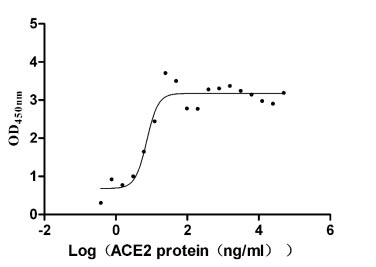
Recombinant Macaca fascicularis Angiotensin-converting enzyme (ACE2), partial (Active)
Express system: Mammalian cell
Species: Macaca fascicularis (Crab-eating macaque) (Cynomolgus monkey)
-
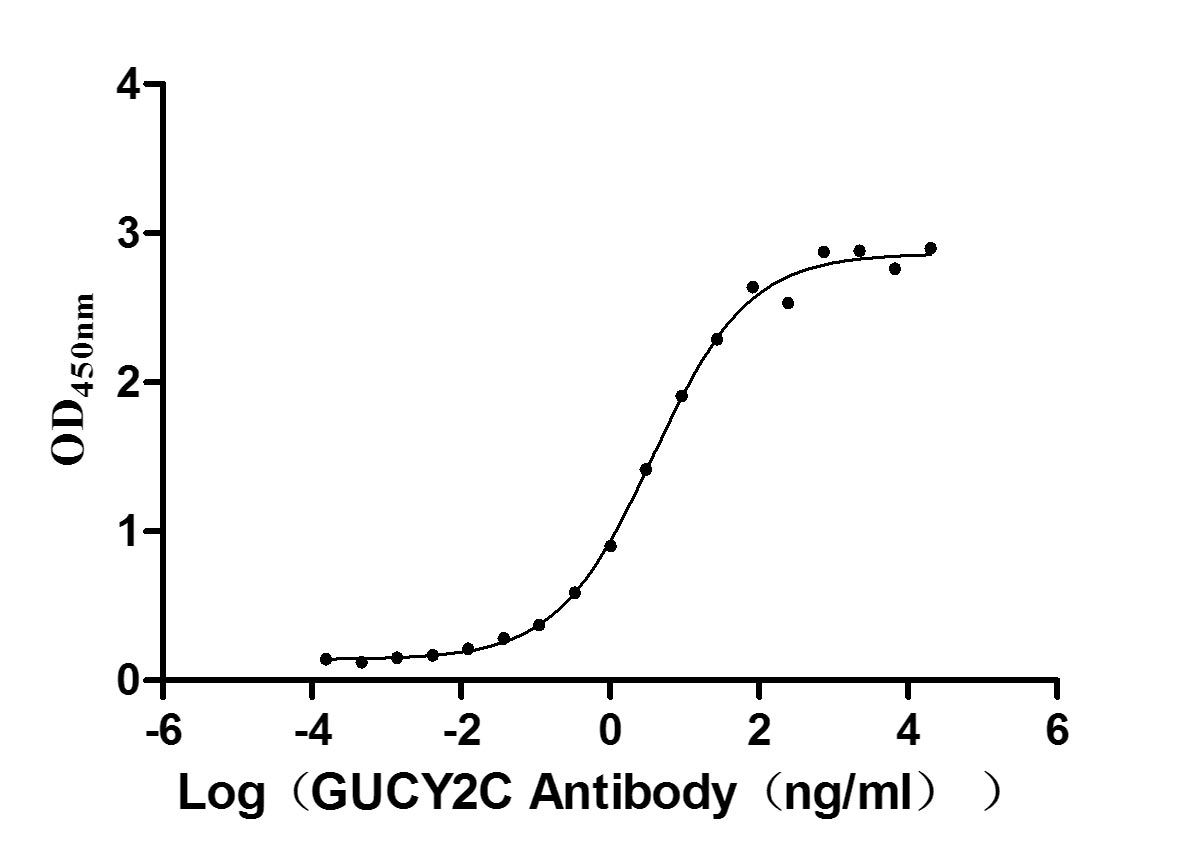
Recombinant Human Heat-stable enterotoxin receptor (GUCY2C), partial (Active)
Express system: Mammalian cell
Species: Homo sapiens (Human)
-
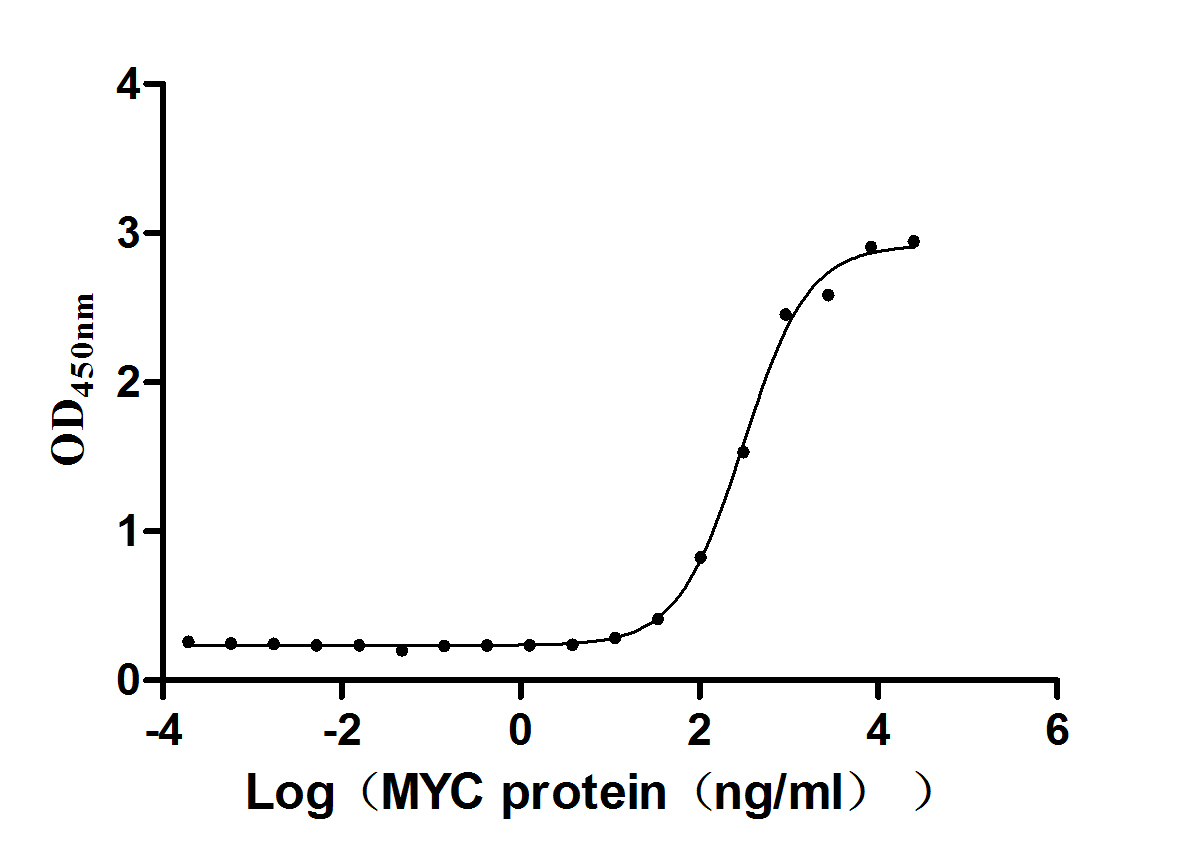
Recombinant Human papillomavirus type 16 Protein E7 (E7) (Active)
Express system: E.coli
Species: Human papillomavirus type 16
-
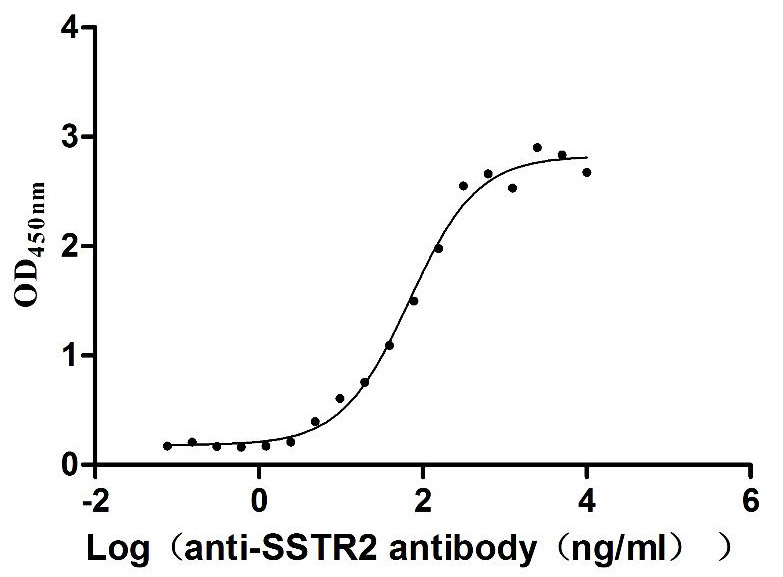
Recombinant Human Somatostatin receptor type 2 (SSTR2)-VLPs (Active)
Express system: Mammalian cell
Species: Homo sapiens (Human)
-
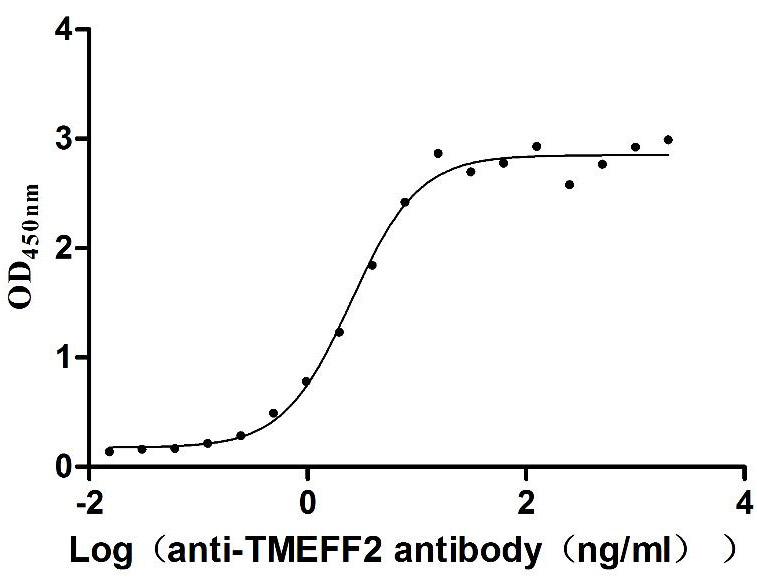
Recombinant Human Tomoregulin-2 (TMEFF2), partial (Active)
Express system: Mammalian cell
Species: Homo sapiens (Human)
-
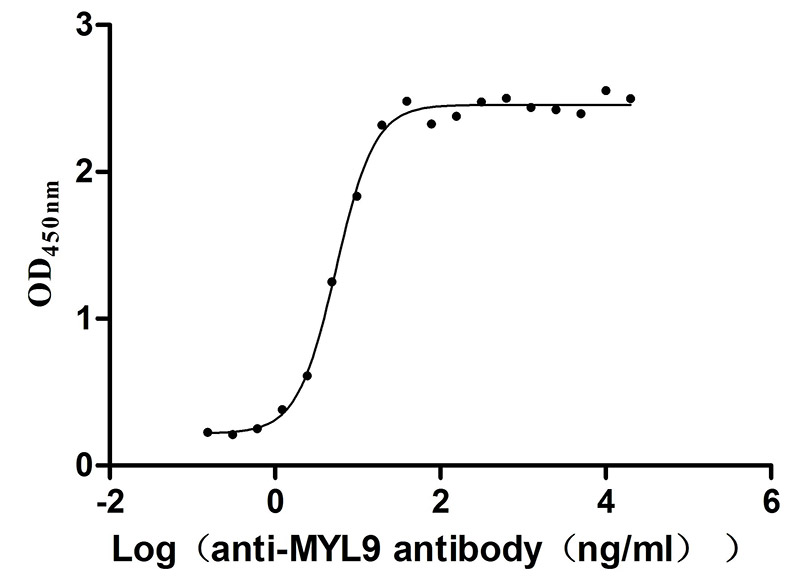
Recombinant Human Myosin regulatory light polypeptide 9 (MYL9) (Active)
Express system: Yeast
Species: Homo sapiens (Human)
-
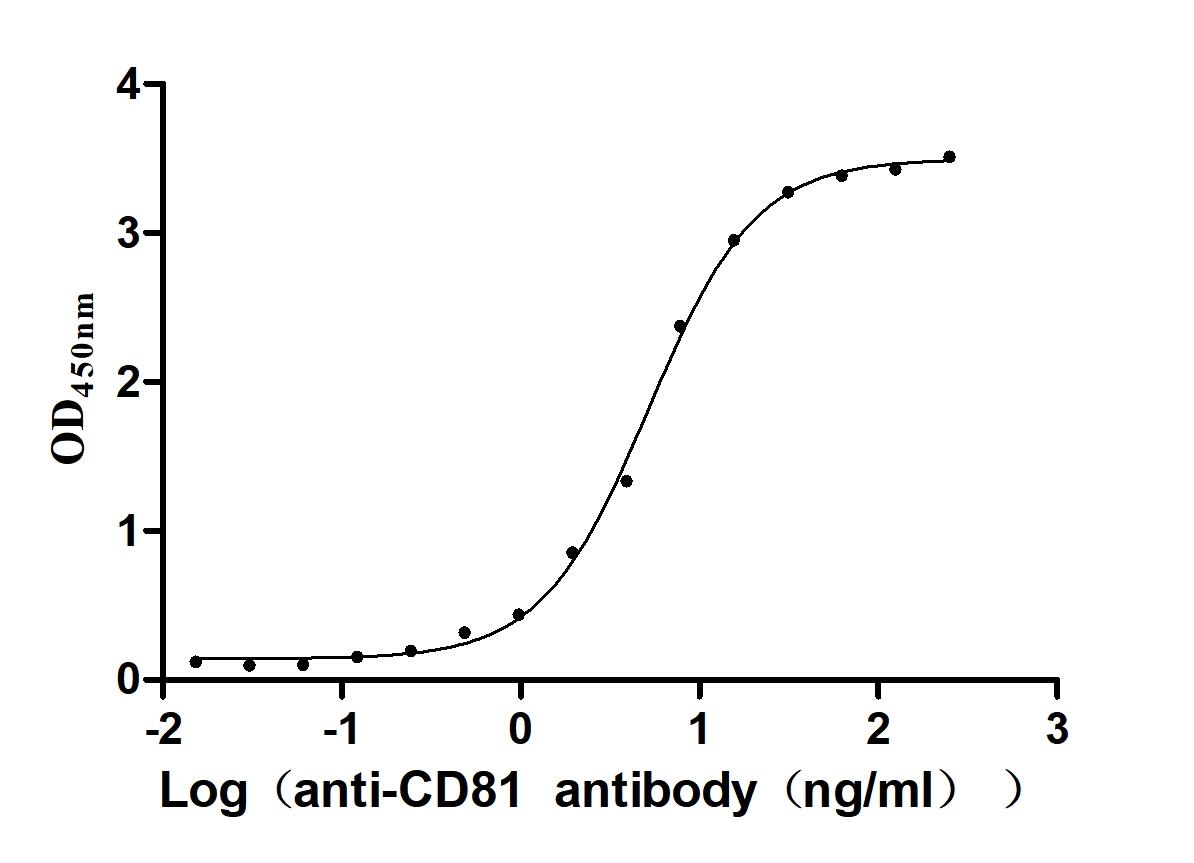
Recombinant Human CD81 antigen (CD81), partial (Active)
Express system: Mammalian cell
Species: Homo sapiens (Human)
-
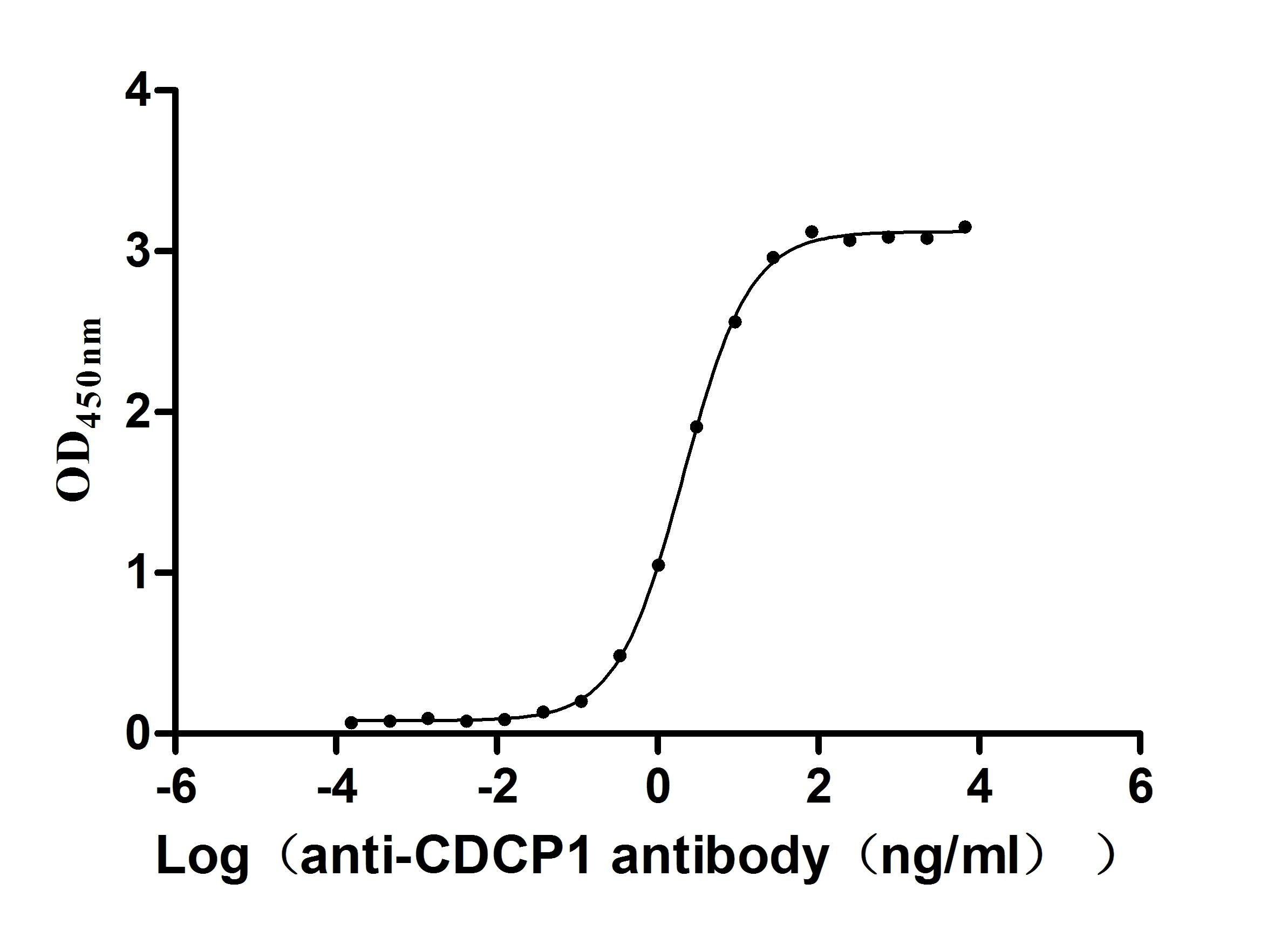
Recombinant Macaca fascicularis CUB domain containing protein 1 (CDCP1), partial (Active)
Express system: Mammalian cell
Species: Macaca fascicularis (Crab-eating macaque) (Cynomolgus monkey)