Recombinant Mouse Phosphatidylinositol 4-phosphate 3-kinase C2 domain-containing subunit alpha (Pik3c2a), partial
-
中文名稱:小鼠Pik3c2a重組蛋白
-
貨號:CSB-YP730729MO
-
規格:
-
來源:Yeast
-
其他:
-
中文名稱:小鼠Pik3c2a重組蛋白
-
貨號:CSB-EP730729MO
-
規格:
-
來源:E.coli
-
其他:
-
中文名稱:小鼠Pik3c2a重組蛋白
-
貨號:CSB-EP730729MO-B
-
規格:
-
來源:E.coli
-
共軛:Avi-tag Biotinylated
E. coli biotin ligase (BirA) is highly specific in covalently attaching biotin to the 15 amino acid AviTag peptide. This recombinant protein was biotinylated in vivo by AviTag-BirA technology, which method is BriA catalyzes amide linkage between the biotin and the specific lysine of the AviTag.
-
其他:
-
中文名稱:小鼠Pik3c2a重組蛋白
-
貨號:CSB-BP730729MO
-
規格:
-
來源:Baculovirus
-
其他:
-
中文名稱:小鼠Pik3c2a重組蛋白
-
貨號:CSB-MP730729MO
-
規格:
-
來源:Mammalian cell
-
其他:
產品詳情
-
純度:>85% (SDS-PAGE)
-
基因名:
-
Uniprot No.:
-
別名:Pik3c2a; Cpk; Phosphatidylinositol 4-phosphate 3-kinase C2 domain-containing subunit alpha; PI3K-C2-alpha; PtdIns-3-kinase C2 subunit alpha; EC 2.7.1.154; Cpk-m; Phosphoinositide 3-kinase-C2-alpha; p170
-
種屬:Mus musculus (Mouse)
-
蛋白長度:Partial
-
蛋白標簽:Tag?type?will?be?determined?during?the?manufacturing?process.
The tag type will be determined during production process. If you have specified tag type, please tell us and we will develop the specified tag preferentially. -
產品提供形式:Lyophilized powder
Note: We will preferentially ship the format that we have in stock, however, if you have any special requirement for the format, please remark your requirement when placing the order, we will prepare according to your demand. -
復溶:We recommend that this vial be briefly centrifuged prior to opening to bring the contents to the bottom. Please reconstitute protein in deionized sterile water to a concentration of 0.1-1.0 mg/mL.We recommend to add 5-50% of glycerol (final concentration) and aliquot for long-term storage at -20℃/-80℃. Our default final concentration of glycerol is 50%. Customers could use it as reference.
-
儲存條件:Store at -20°C/-80°C upon receipt, aliquoting is necessary for mutiple use. Avoid repeated freeze-thaw cycles.
-
保質期:The shelf life is related to many factors, storage state, buffer ingredients, storage temperature and the stability of the protein itself.
Generally, the shelf life of liquid form is 6 months at -20°C/-80°C. The shelf life of lyophilized form is 12 months at -20°C/-80°C. -
貨期:Delivery time may differ from different purchasing way or location, please kindly consult your local distributors for specific delivery time.Note: All of our proteins are default shipped with normal blue ice packs, if you request to ship with dry ice, please communicate with us in advance and extra fees will be charged.
-
注意事項:Repeated freezing and thawing is not recommended. Store working aliquots at 4°C for up to one week.
-
Datasheet :Please contact us to get it.
產品評價

靶點詳情
-
功能:Generates phosphatidylinositol 3-phosphate (PtdIns3P) and phosphatidylinositol 3,4-bisphosphate (PtdIns(3,4)P2) that act as second messengers. Has a role in several intracellular trafficking events. Functions in insulin signaling and secretion. Required for translocation of the glucose transporter SLC2A4/GLUT4 to the plasma membrane and glucose uptake in response to insulin-mediated RHOQ activation. Regulates insulin secretion through two different mechanisms: involved in glucose-induced insulin secretion downstream of insulin receptor in a pathway that involves AKT1 activation and TBC1D4/AS160 phosphorylation, and participates in the late step of insulin granule exocytosis probably in insulin granule fusion. Synthesizes PtdIns3P in response to insulin signaling. Functions in clathrin-coated endocytic vesicle formation and distribution. Regulates dynamin-independent endocytosis, probably by recruiting EEA1 to internalizing vesicles. In neurosecretory cells synthesizes PtdIns3P on large dense core vesicles. Participates in calcium induced contraction of vascular smooth muscle by regulating myosin light chain (MLC) phosphorylation through a mechanism involving Rho kinase-dependent phosphorylation of the MLCP-regulatory subunit MYPT1. May play a role in the EGF signaling cascade. May be involved in mitosis and UV-induced damage response. Required for maintenance of normal renal structure and function by supporting normal podocyte function. Involved in the regulation of ciliogenesis and trafficking of ciliary components.
-
基因功能參考文獻:
- This study adds to this divergence by indicating a nonredundant role for PI3KC2alpha, with no role for PI3KC2beta, in regulating platelet OCS structure and overall platelet-dependent thrombus stability. PMID: 26943229
- PI3KC2a knockdown results in rerouting of insulin signaling and pancreatic beta cell proliferation. PMID: 26387957
- Heterozygous PI3K-C2-alpha inactivation in platelets led to reduction in phosphatidylinositol 3-monophosphate and a mislocalization of several membrane skeleton proteins known to control the interactions between the plasma membrane and cytoskeleton. PMID: 26109204
- Data (including data from knockout mice) suggest that Pi3kc2a participates in tumor angiogenesis. [REVIEW] PMID: 25233418
- Our studies indicate that while Vps34 is the main PI3P source during autophagy, class II PI3Ks also significantly contribute to PI3P generation and regulate AP biogenesis. PMID: 24098492
- PI3K-C2alpha has a crucial role in vascular formation and barrier integrity PMID: 22983395
- PI3KC2alpha-deficient mice developed chronic renal failure and exhibited a range of kidney lesions, including glomerular crescent formation and renal tubule defects in early disease, which progressed to diffuse mesangial sclerosis. PMID: 20974805
- phosphoinositide 3-kinase C2alpha has a role in insulin signaling PMID: 17644513
顯示更多
收起更多
-
亞細胞定位:Cell membrane. Cytoplasmic vesicle, clathrin-coated vesicle. Nucleus. Cytoplasm. Golgi apparatus, trans-Golgi network.
-
蛋白家族:PI3/PI4-kinase family
-
組織特異性:Expressed in brain (at protein level). Detected in podocytes.
-
數據庫鏈接:
Most popular with customers
-
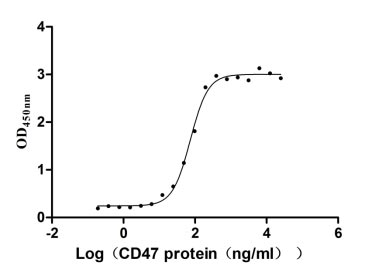
Recombinant Human Leukocyte surface antigen CD47 (CD47), partial (Active)
Express system: Mammalian cell
Species: Homo sapiens (Human)
-
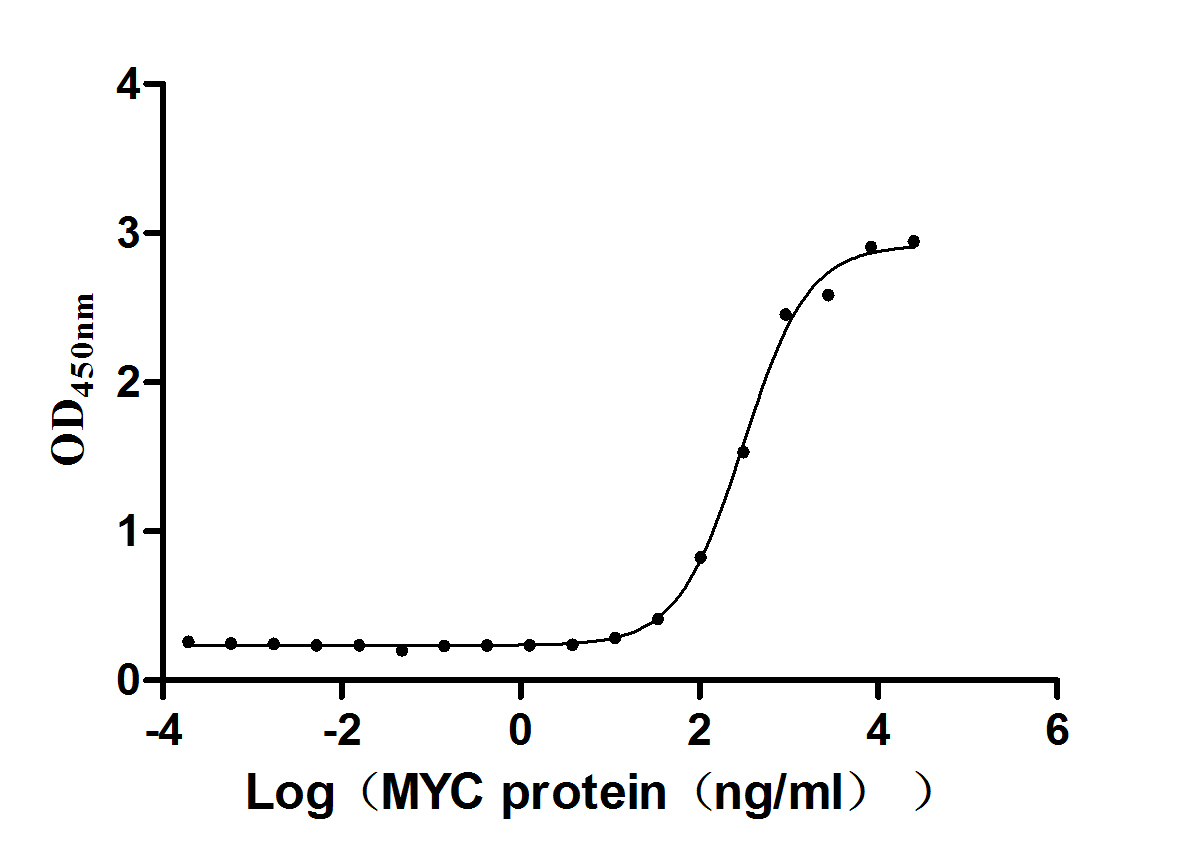
Recombinant Human papillomavirus type 16 Protein E7 (E7) (Active)
Express system: E.coli
Species: Human papillomavirus type 16
-
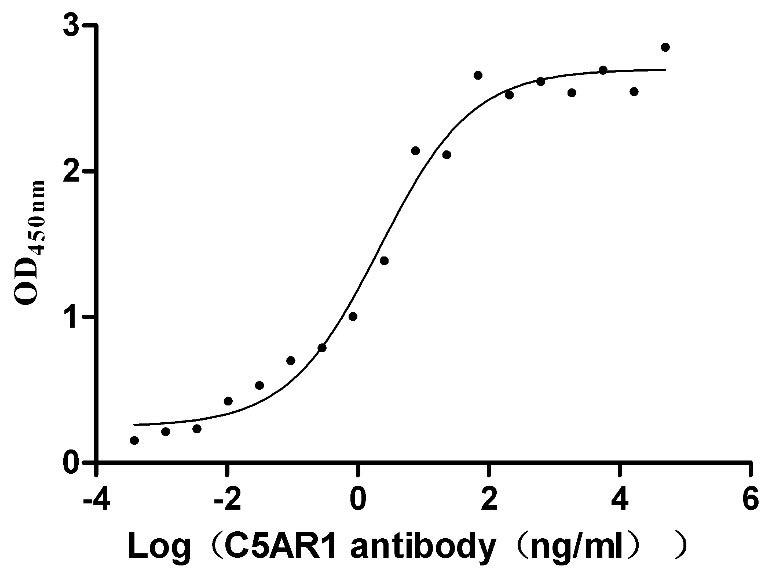
Recombinant Human C5a anaphylatoxin chemotactic receptor 1 (C5AR1)-VLPs (Active)
Express system: Mammalian cell
Species: Homo sapiens (Human)
-
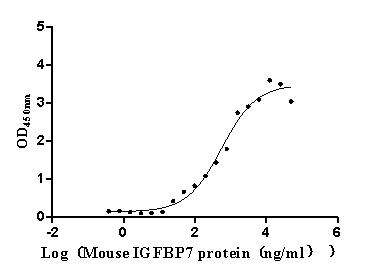
Recombinant Mouse Complement component C1q receptor (Cd93), partial (Active)
Express system: Mammalian cell
Species: Mus musculus (Mouse)
-
f4-AC1.jpg)
Recombinant Human Claudin-6 (CLDN6)-VLPs, Fluorescent (Active)
Express system: Mammalian cell
Species: Homo sapiens (Human)
-
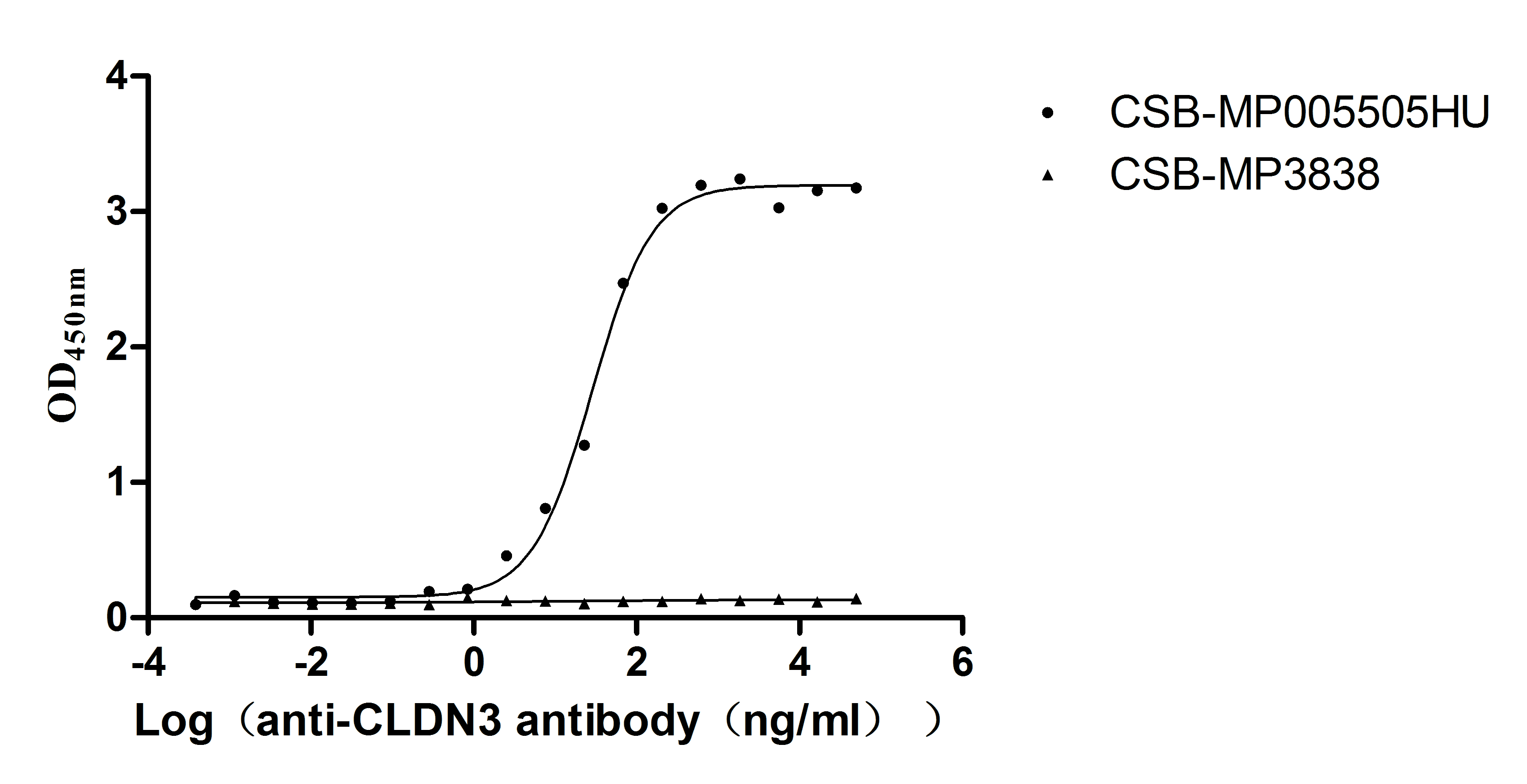
Recombinant Human Claudin-3 (CLDN3)-VLPs (Active)
Express system: Mammalian cell
Species: Homo sapiens (Human)
-
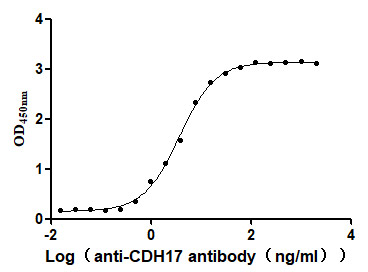
Recombinant Human Cadherin-17 (CDH17), partial (Active)
Express system: Mammalian cell
Species: Homo sapiens (Human)
-
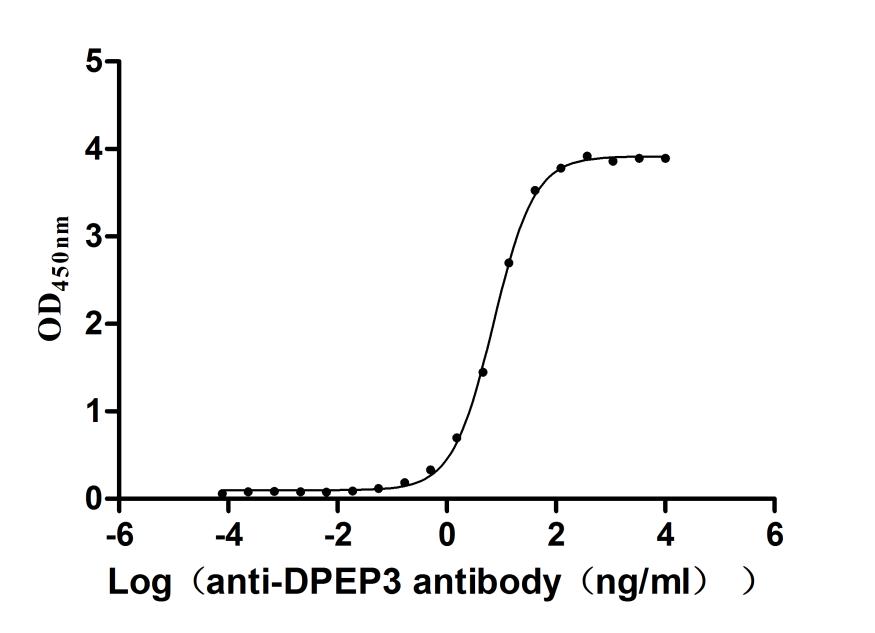
Recombinant Human Dipeptidase 3(DPEP3), partial (Active)
Express system: Mammalian cell
Species: Homo sapiens (Human)