Recombinant Mouse Scavenger receptor class B member 1 (Scarb1), partial
-
中文名稱:小鼠Scarb1重組蛋白
-
貨號:CSB-YP713955MO
-
規格:
-
來源:Yeast
-
其他:
-
中文名稱:小鼠Scarb1重組蛋白
-
貨號:CSB-EP713955MO
-
規格:
-
來源:E.coli
-
其他:
-
中文名稱:小鼠Scarb1重組蛋白
-
貨號:CSB-EP713955MO-B
-
規格:
-
來源:E.coli
-
共軛:Avi-tag Biotinylated
E. coli biotin ligase (BirA) is highly specific in covalently attaching biotin to the 15 amino acid AviTag peptide. This recombinant protein was biotinylated in vivo by AviTag-BirA technology, which method is BriA catalyzes amide linkage between the biotin and the specific lysine of the AviTag.
-
其他:
-
中文名稱:小鼠Scarb1重組蛋白
-
貨號:CSB-BP713955MO
-
規格:
-
來源:Baculovirus
-
其他:
-
中文名稱:小鼠Scarb1重組蛋白
-
貨號:CSB-MP713955MO
-
規格:
-
來源:Mammalian cell
-
其他:
產品詳情
-
純度:>85% (SDS-PAGE)
-
基因名:
-
Uniprot No.:
-
別名:Scarb1; Srb1; Scavenger receptor class B member 1; SRB1; SR-BI
-
種屬:Mus musculus (Mouse)
-
蛋白長度:Partial
-
蛋白標簽:Tag?type?will?be?determined?during?the?manufacturing?process.
The tag type will be determined during production process. If you have specified tag type, please tell us and we will develop the specified tag preferentially. -
產品提供形式:Lyophilized powder
Note: We will preferentially ship the format that we have in stock, however, if you have any special requirement for the format, please remark your requirement when placing the order, we will prepare according to your demand. -
復溶:We recommend that this vial be briefly centrifuged prior to opening to bring the contents to the bottom. Please reconstitute protein in deionized sterile water to a concentration of 0.1-1.0 mg/mL.We recommend to add 5-50% of glycerol (final concentration) and aliquot for long-term storage at -20℃/-80℃. Our default final concentration of glycerol is 50%. Customers could use it as reference.
-
儲存條件:Store at -20°C/-80°C upon receipt, aliquoting is necessary for mutiple use. Avoid repeated freeze-thaw cycles.
-
保質期:The shelf life is related to many factors, storage state, buffer ingredients, storage temperature and the stability of the protein itself.
Generally, the shelf life of liquid form is 6 months at -20°C/-80°C. The shelf life of lyophilized form is 12 months at -20°C/-80°C. -
貨期:Delivery time may differ from different purchasing way or location, please kindly consult your local distributors for specific delivery time.Note: All of our proteins are default shipped with normal blue ice packs, if you request to ship with dry ice, please communicate with us in advance and extra fees will be charged.
-
注意事項:Repeated freezing and thawing is not recommended. Store working aliquots at 4°C for up to one week.
-
Datasheet :Please contact us to get it.
產品評價

靶點詳情
-
功能:Receptor for different ligands such as phospholipids, cholesterol ester, lipoproteins, phosphatidylserine and apoptotic cells. Both isoform 1 and isoform 2 act as receptors for HDL, mediating selective uptake of cholesteryl ether and HDL-dependent cholesterol efflux. Also facilitates the flux of free and esterified cholesterol between the cell surface and apoB-containing lipoproteins and modified lipoproteins, although less efficiently than HDL. May be involved in the phagocytosis of apoptotic cells, via its phosphatidylserine binding activity.
-
基因功能參考文獻:
- Results suggested that SR-BI deficiency promoted ApoM expression, but the increased ApoM might be independent from high density lipoprotein-mediated cholesterol uptake in hepatocytes. PMID: 30144814
- We demonstrate that 4F and Cl/NO2-HDL act on scavenger receptor type I (SR-B1) using human aorta endothelial cells (HAEC) and SR-B1 ((-/-)) mouse aortic endothelial cells. PMID: 29277016
- These findings uncover a novel role for SR-B1 as a contributor to the capture of specific odorants in the nasal cavity of mammals. PMID: 29899187
- In summary, the authors identified NAP1L1 as a novel binding partner of hepatitis c virus NS3 and found that the protease domain of NS3 is responsible for interactions with NAP1L1. They demonstrated the functional role of NAP1L1 in hepatitis c virus entry through regulating the protein expression of SR-B1. PMID: 29541944
- SR-BI-triggered autophagy promoted co-elimination of apoptotic immune cells and dead bacteria but barely influenced bacterial sequestration and survival or inflammasome activation, thus exclusively counteracting damage inflicted by immune responses. PMID: 27694929
- Overexpression of miR-24 inhibited SR-B1 expression by directly targeting SR-B1 3' UTR and repressed high density lipoprotein uptake and steroidogenesis in steroidogenic cells. PMID: 29787826
- These data suggest that a moderate amount of alcohol plays a novel role in reverse cholesterol transport, mainly mediated by PPARgamma and SR-B1. PMID: 27618957
- To investigate the pharmacokinetics (PKs) and pharmacodynamics (PDs) for ION-353382, an antisense oligonucleotide (ASO) targeting scavenger receptor class B type I (SRB1) mRNA, using alpha-2-macroglobulin (A2M), murinoglobulin double-knockout (DKO), and wild-type mice PMID: 27031383
- Rutaecarpine was identified to be a candidate that protected ApoE(-/-) mice from developing atherosclerosis through preferentially promoting activities of ABCA1 and SR-BI within RCT. PMID: 24908654
- SR-B1 is a silica receptor associated with canonical inflammasome activation. PMID: 28147282
- Our results suggest that LPA-enhanced foam cell formation is mediated by LPA1/3 -AKT activation and subsequent SRBI expression. PMID: 28765047
- Results show the first high-resolution structure of the C-terminal transmembrane domain of SR-BI. This region of SR-BI harbors a leucine zipper dimerization motif, which when mutated impairs the ability of the receptor to bind HDL and mediate cholesterol delivery. PMID: 28162952
- Carboxy-terminal deletion of SR-BI reduced receptor levels in liver and steroidogenic tissues (adrenal cortex, ovary, testicular Leydig cells) and induced hypercholesterolemia. PMID: 27694217
- Loss of ScarB1 is associated with Coronary Atherosclerosis and Ischemic Heart Disease in Low-density Lipoprotein Receptor Knockout Mice when fed the modified western-type diet. PMID: 27373983
- We showed here that SR-BI deficiency led to increased atherogenesis with features of advanced fibroatheroma and expansive arterial remodeling in LDL-R KO mice fed an atherogenic diet. PMID: 28063350
- The seven intron CGIs are methylated differentially in Y1 cells, mouse Leydig tumor cells, ovarian granulosa cells, and mouse liver hepa 1-6 cells; experiments raised the possibility that DNA methylation participates in hormonal regulation of SR-BI expression in a tissue-specific manner. PMID: 26981684
- SR-B1, the HDL receptor, is expressed abundantly in liver sinusoidal endothelial cells and marginally in hepatocytes. PMID: 26865459
- SR-B1 and targeted HDL NPs provide a fundamental advance in studying cholesterol-dependent cellular uptake mechanisms. PMID: 26511855
- Studied the role of SR-BI in endothelial cells using several novel transgenic mouse models expressing SR-BI in endothelium of mice with normal C57Bl6/N, apoE-KO, or Scarb1-KO backgrounds. PMID: 26504816
- contributes to LDL transcytosis PMID: 26334034
- PGG enhances expression of SR-BI and ABCA1 in J774 and THP-1 macrophages PMID: 26322417
- Intestinal activation of LXR reduces the production of chylomicrons by a mechanism dependent on the apical localization of SR-B1. PMID: 26602218
- Tryptophan 415 must be present in combination with other Trp residues for proper cholesterol transport functions of Scavenger Receptor B1. PMID: 26652912
- deficiency of macrophage SR-BI promotes defective efferocytosis signaling via the Src/PI3K/Rac1 pathway, resulting in increased plaque size, necrosis, and inflammation PMID: 26059978
- Lp(a) was internalized by HepG2 cells, however, the ABCA1 response to Lp(a) was mediated by the selective uptake of oxidized phospholipids PMID: 25852127
- increased cholesterol esterification by LCAT is atheroprotective PMID: 25964513
- SR-BI coordinates several steps in the integrated neutrophilic host defense response to pneumonia. PMID: 25336169
- PCPE2 was shown to enhance SR-BI function by increasing the rate of HDL-associated cholesteryl ester uptake, possibly by optimizing SR-BI localization and/or conformation. PMID: 25947382
- Hepatic SR-BI is associated with type 2 diabetes but unrelated to human and murine non-alcoholic fatty liver disease. PMID: 26431876
- HDL enhances transendothelial cholesterol transport by activation of a mechanism involving ABCA1, ABCG1 and SR-B1 but not involving PI3K and Akt. PMID: 26255968
- SR-BI is an important mediator of A1AT endocytosis in pulmonary endothelium. PMID: 26092999
- SR-BI(405-475) form dimers upon chemical crosslinking. PMID: 25461971
- The role of cellular cholesterol transport proteins including adenosine triphosphate binding cassette transporter A1 (ABCA1), G1 (ABCG1) and scavenger receptor class B type I (SR-BI) in diabetic nephropathy, was determined. PMID: 25181357
- Data show that several murine SR-BI and rat CD36 (SR-BI/CD36) chimeric receptors display a reduced ability to stimulate the efflux of free cholesterol to high-density lipoproteins (HDLs). PMID: 25211142
- Findings indicate hepatic scavenger receptor BI (SR-BI or Scarb1) as a critical protective factor in sepsis and suggest that promoting hepatic SR-BI-mediated LPS clearance may provide a therapeutic approach for sepsis. PMID: 24719333
- SR-BI plays a critical role in the HDL-mediated regulation HSPC proliferation and differentiation, which is associated with atherosclerosis progression. PMID: 24969774
- Data indicate that mice deficient for scavenger receptor class B type I (SR-BI) in the adrenal cortex, where the receptor provides lipoprotein-derived cholesterol, had impaired secretion of glucocorticoids in response to stress. PMID: 24935924
- Reveal a novel regulatory mechanism of thymocyte apoptosis in sepsis by SR-BI and HDL. PMID: 24603680
- cholesterol and tocopherol uptakes share common pathways in cell culture models, but display different in vivo absorption patterns associated with distinct contributions of SR-BI and NPC1L1 PMID: 21929836
- SR-BI-delivered HDL-CEs are hydrolyzed by hepatic CEH and utilized for bile acid synthesi PMID: 23990661
- These data demonstrate directly that SR-BI in bone marrow-derived cells protects against both aortic and CA atherosclerosis. PMID: 23967310
- activation of beta-adrenoceptor reduce the plaque area in the thoracic aorta and play an important anti-atherosclerotic role by regulating lipid metabolism disorders and the SR-B1 signal transduction pathway PMID: 23911886
- non-null coding variants in SR-BI can have a large significant impact on atherosclerosis, even if plasma lipid levels are not dramatically affected PMID: 23722970
- SR-BI and PDZK1 protein and mRNA expression levels fell rapidly in primary hepatocyte cultures, indicating this system does not adequately mimic hepatocytes in vivo for analysis of the PDZK1 dependence of SR-BI. PMID: 23936087
- scavenger receptor class B member 1 null mice are not prone to osteoporosis but show higher bone mass associated with enhanced bone formation PMID: 24253048
- SR-BI is not rate limiting for intestinal cholesterol absorption or for fecal neutral sterol loss through the TICE pathway. PMID: 23564696
- the localization of PDZK1 on hepatocyte cell surface membranes in vivo is dependent on its PDZ4 domain and the presence of SR-BI. PMID: 23720744
- SR-BI contributes to ABCG5/G8-independent biliary cholesterol secretion under basal conditions PMID: 23401258
- SR-BI-null embryos contain less cholesterol suggesting the involvement of SR-BI in materno-fetal cholesterol transport. PMID: 23221804
- The SR-BI is involved in cholesterol ester uptake for steroidogenesis and spermatogenesis in the testis. PMID: 22988039
顯示更多
收起更多
-
亞細胞定位:Cell membrane; Multi-pass membrane protein. Membrane, caveola; Multi-pass membrane protein.; [Isoform 1]: Cell membrane. Membrane, caveola.; [Isoform 2]: Cell membrane. Membrane, caveola.
-
蛋白家族:CD36 family
-
組織特異性:Expressed primarily in liver, ovary and adrenal gland, and, at lower levels in other non-placental steroidogenic tissues, including adipose tissue, mammary gland and testis (at protein level). Isoform 2 is expressed at lower levels than isoform 1 in liver
-
數據庫鏈接:
Most popular with customers
-
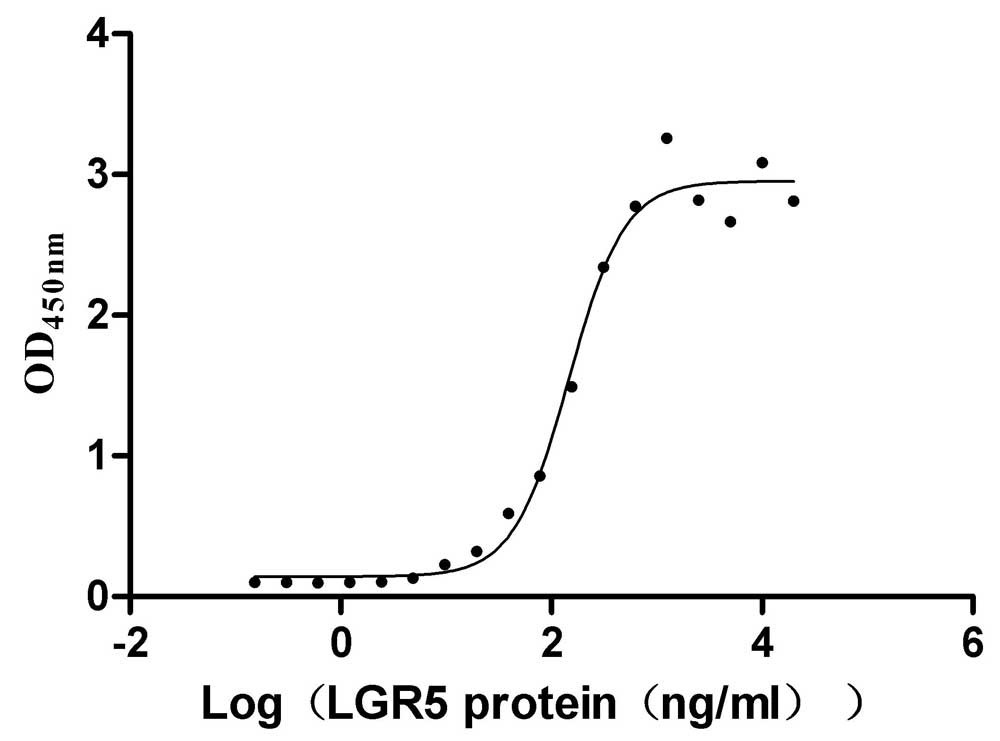
Recombinant Human R-spondin-1 (RSPO1), partial (Active)
Express system: Mammalian cell
Species: Homo sapiens (Human)
-
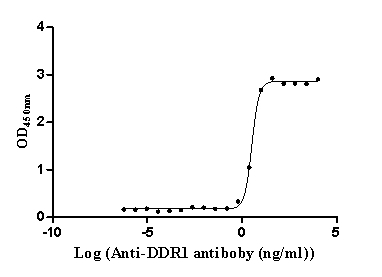
Recombinant Human Epithelial discoidin domain-containing receptor 1 (DDR1), partial (Active)
Express system: Mammalian cell
Species: Homo sapiens (Human)
-
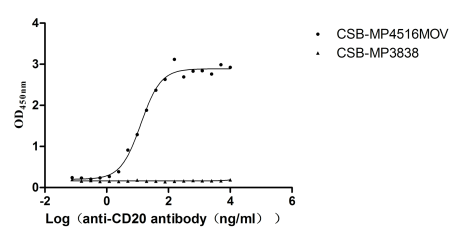
Recombinant Macaca fascicularis Membrane spanning 4-domains A1 (MS4A1)-VLPs (Active)
Express system: Mammalian cell
Species: Macaca fascicularis (Crab-eating macaque) (Cynomolgus monkey)
-
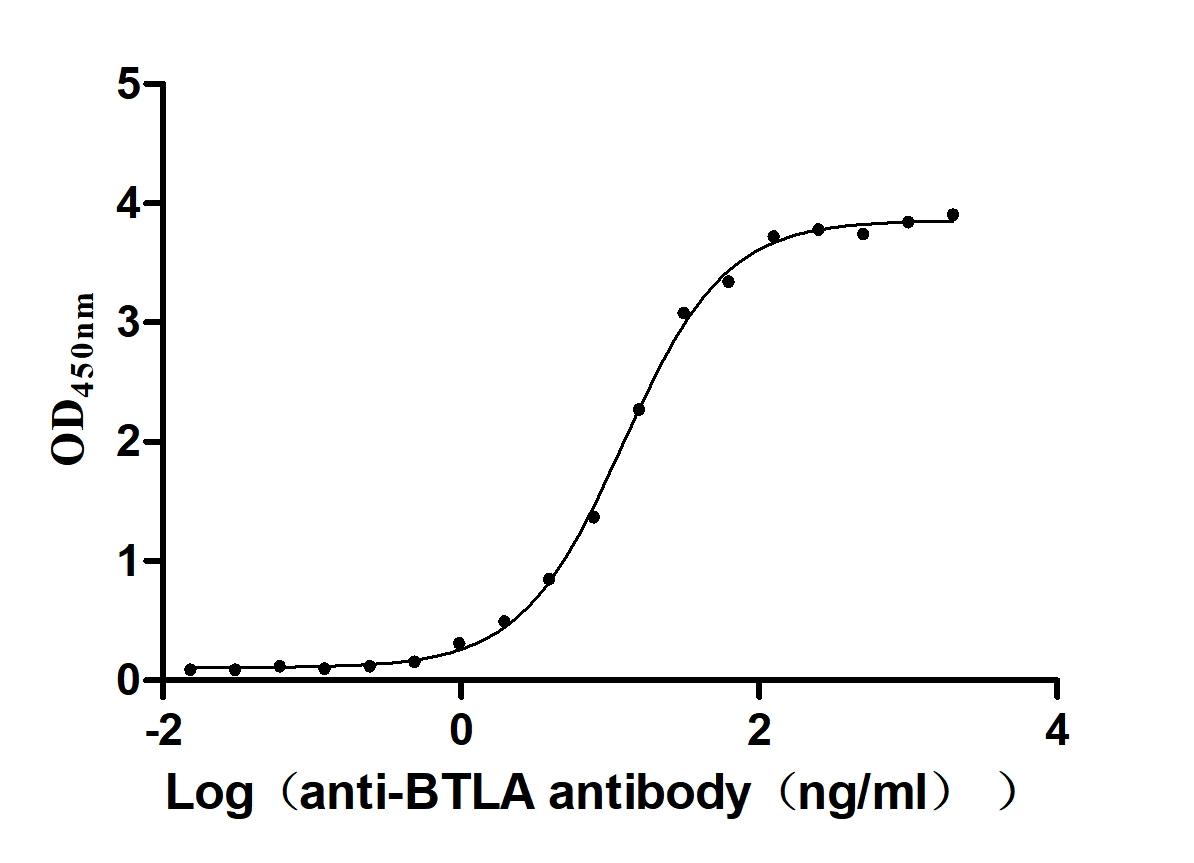
Recombinant Human B- and T-lymphocyte attenuator(BTLA), partial (Active)
Express system: Mammalian cell
Species: Homo sapiens (Human)
-
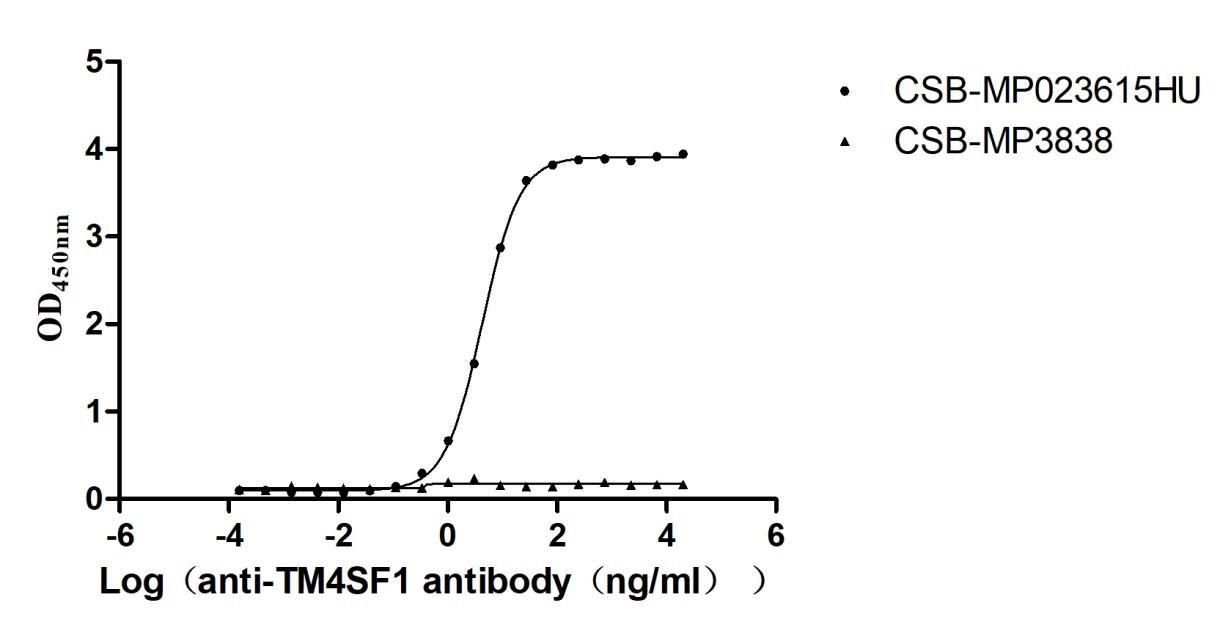
Recombinant Human Transmembrane 4 L6 family member 1(TM4SF1)-VLPs (Active)
Express system: Mammalian cell
Species: Homo sapiens (Human)
-
-
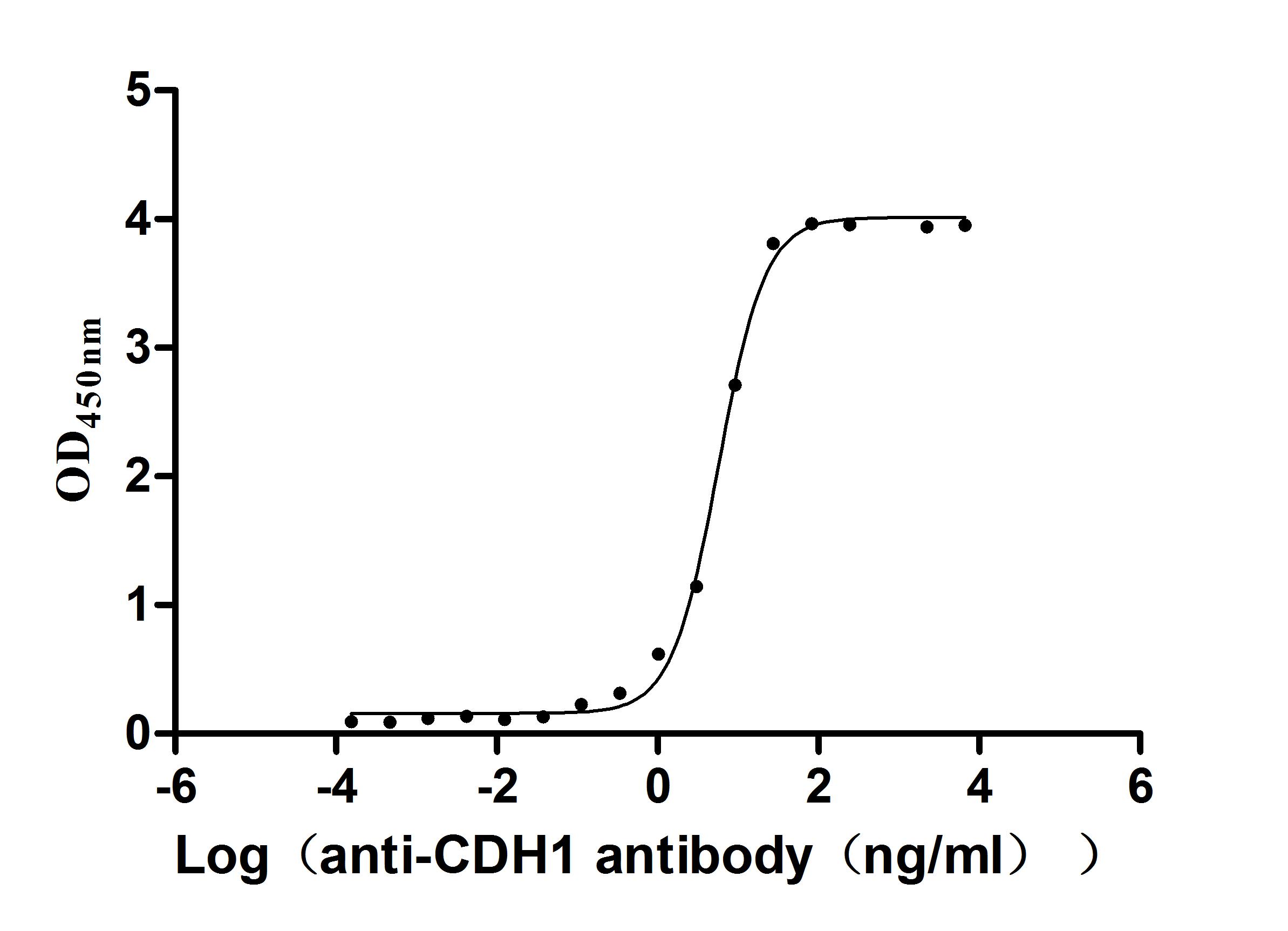
Recombinant Human Cadherin-1(CDH1),partial (Active)
Express system: Mammalian cell
Species: Homo sapiens (Human)
-
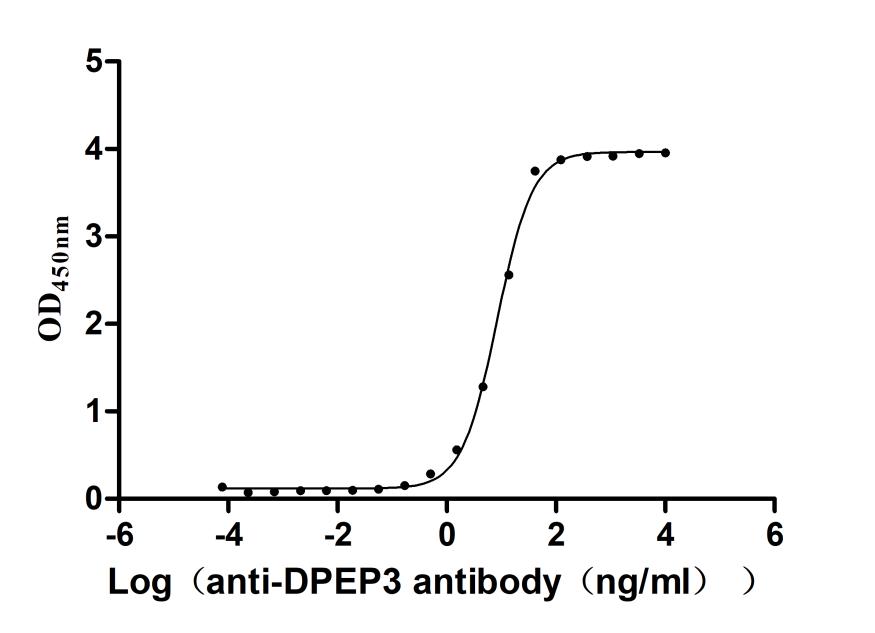
Recombinant Macaca fascicularis Dipeptidase 3(DPEP3) (Active)
Express system: Mammalian cell
Species: Macaca fascicularis (Crab-eating macaque) (Cynomolgus monkey)