Recombinant Mouse Tumor necrosis factor receptor superfamily member 18 (Tnfrsf18), partial
-
中文名稱:小鼠Tnfrsf18重組蛋白
-
貨號(hào):CSB-YP023975MO1
-
規(guī)格:
-
來(lái)源:Yeast
-
其他:
-
中文名稱:小鼠Tnfrsf18重組蛋白
-
貨號(hào):CSB-EP023975MO1
-
規(guī)格:
-
來(lái)源:E.coli
-
其他:
-
中文名稱:小鼠Tnfrsf18重組蛋白
-
貨號(hào):CSB-EP023975MO1-B
-
規(guī)格:
-
來(lái)源:E.coli
-
共軛:Avi-tag Biotinylated
E. coli biotin ligase (BirA) is highly specific in covalently attaching biotin to the 15 amino acid AviTag peptide. This recombinant protein was biotinylated in vivo by AviTag-BirA technology, which method is BriA catalyzes amide linkage between the biotin and the specific lysine of the AviTag.
-
其他:
-
中文名稱:小鼠Tnfrsf18重組蛋白
-
貨號(hào):CSB-BP023975MO1
-
規(guī)格:
-
來(lái)源:Baculovirus
-
其他:
-
中文名稱:小鼠Tnfrsf18重組蛋白
-
貨號(hào):CSB-MP023975MO1
-
規(guī)格:
-
來(lái)源:Mammalian cell
-
其他:
產(chǎn)品詳情
-
純度:>85% (SDS-PAGE)
-
基因名:
-
Uniprot No.:
-
別名:Tnfrsf18; Gitr; Tumor necrosis factor receptor superfamily member 18; Glucocorticoid-induced TNFR-related protein; CD antigen CD357
-
種屬:Mus musculus (Mouse)
-
蛋白長(zhǎng)度:Partial
-
蛋白標(biāo)簽:Tag?type?will?be?determined?during?the?manufacturing?process.
The tag type will be determined during production process. If you have specified tag type, please tell us and we will develop the specified tag preferentially. -
產(chǎn)品提供形式:Lyophilized powder
Note: We will preferentially ship the format that we have in stock, however, if you have any special requirement for the format, please remark your requirement when placing the order, we will prepare according to your demand. -
復(fù)溶:We recommend that this vial be briefly centrifuged prior to opening to bring the contents to the bottom. Please reconstitute protein in deionized sterile water to a concentration of 0.1-1.0 mg/mL.We recommend to add 5-50% of glycerol (final concentration) and aliquot for long-term storage at -20℃/-80℃. Our default final concentration of glycerol is 50%. Customers could use it as reference.
-
儲(chǔ)存條件:Store at -20°C/-80°C upon receipt, aliquoting is necessary for mutiple use. Avoid repeated freeze-thaw cycles.
-
保質(zhì)期:The shelf life is related to many factors, storage state, buffer ingredients, storage temperature and the stability of the protein itself.
Generally, the shelf life of liquid form is 6 months at -20°C/-80°C. The shelf life of lyophilized form is 12 months at -20°C/-80°C. -
貨期:Delivery time may differ from different purchasing way or location, please kindly consult your local distributors for specific delivery time.Note: All of our proteins are default shipped with normal blue ice packs, if you request to ship with dry ice, please communicate with us in advance and extra fees will be charged.
-
注意事項(xiàng):Repeated freezing and thawing is not recommended. Store working aliquots at 4°C for up to one week.
-
Datasheet :Please contact us to get it.
產(chǎn)品評(píng)價(jià)

相關(guān)產(chǎn)品
靶點(diǎn)詳情
-
功能:Receptor for TNFSF18. Seems to be involved in interactions between activated T-lymphocytes and endothelial cells and in the regulation of T-cell receptor-mediated cell death. Mediated NF-kappa-B activation via the TRAF2/NIK pathway.
-
基因功能參考文獻(xiàn):
- These results suggest that therapeutically targeting GITR represents a unique approach to cancer immunotherapy and suggests that a multimeric fusion protein may provide increased agonistic potential versus an antibody PMID: 28069723
- These findings support further study into combination partners for GITRL-FP that may augment CD8 T-cell priming as well as provide hypotheses that can be tested in human clinical trials exploring GITR agonists including GITRL-FP. PMID: 28649380
- Expression of human GITR was comparable with that of mouse GITR in tumor-infiltrating Tregs despite being drastically lower in other human TILs and in many human peripheral blood populations. PMID: 28611044
- anti-GITR mAb shifts Treg populations to enable immune attack on tumors, with clinical implications for molecular markers to modify emerging treatments. PMID: 28122327
- Continuous GITR stimulation through B cell Gitrl acts protective in a mouse model of atherosclerosis by regulating the balance between regulatory and effector memory CD4(+) T cells. PMID: 27444204
- these results indicate that blockade of GITR signaling can ameliorate arthritis progression mainly by modulating the follicular helper T cell response PMID: 27106763
- GITR appears as a potential target for intervention during infection by the parasite Toxoplasma gondii, even though further studies are still necessary to better characterize the immune response triggered by GITR activation during T. gondii infection PMID: 27027302
- our data suggest a critical role for GITR in Treg cell homeostasis and indicate that Ptpn22 independently affects the differentiation status of Treg cells and their homeostatic behavior PMID: 26810223
- These findings provide further support for the continued development of agonist anti-GITR antibodies as an immunotherapeutic strategy for osteosarcoma. We suggest that our proposed immunotherapy could be developed further to improve osteosarcoma treatment PMID: 26239052
- Th9 cells and iTregs are developmentally linked and GITR can subvert tolerogenic conditions to boost Th9 immunity. PMID: 26365427
- GITR is a crucial player in differentiation of thymic regulatory T cells and expansion of regulatory T cells, including both thymic regulatory T cells and peripheral regulatory T cells. PMID: 25961057
- enhanced GITR-triggering mediates its protective, anti-viral effect on the CD8 T cell compartment by boosting CD4 T cell help. PMID: 25738498
- A CD4 T cell-intrinsic role for GITR in sustaining early CD8 and late humoral responses to collectively promote control of chronic LCMV clone 13 infection. PMID: 25590581
- GITRL expressed on macrophages drives cytokine release and T cell activation, resulting in neuropathic pain via GITR-dependent actions. The GITRL-GITR pathway might represent a novel target for the treatment of neuropathic pain. PMID: 25787078
- Data show that GITR agonist antibody alters Treg lineage stability inducing an inflammatory effector T cell phenotype. The resultant loss of lineage stability causes Treg to lose their intra-tumor immune suppressive function. PMID: 24416730
- Inhibition of GITR decreases leukocyte cell adhesion. PMID: 23892569
- The effects of GITR activation on Treg cells can have different outcomes depending on the experimental context ranging from expansion in normal mice to death in the Inflammatory bowel disease model. PMID: 23722868
- GITR triggering on CD4(+)T cells increases poststroke inflammation and decreases the number of neural stem/progenitor cells induced by ischemia (iNSPCs). PMID: 22052192
- these data suggest that GITR plays a role in the survival of CD8 memory phenotype T cells PMID: 22581858
- results demonstrate that enhanced GITR/GITRL interactions have a pleiotropic role on the regulation of T-cell responses PMID: 22678896
- Treatment with an inhibitor of JNK phosphorylation resulted in complete reversal of all GITR-induced changes in nTreg phenotype and function, with full restoration of suppression of in vivo lung allergic responses PMID: 22461627
- Data indicate that GITR does not play a significant role in B cell development and antibody responses to T-dependent and independent model antigens within the context of a GITR-deficient genetic background. PMID: 22328941
- GITR is not required on the surface of CD4-positive T-cells to induce colitis in mice. Knockout mice develop aggravated chronic enterocolitis via an imbalance of colitogenic Th1 cells and Treg cells. PMID: 22155173
- Data show that GITR plays a role in the modulation of experimental multiple organ dysfunction syndrome. In particular, results show that genetic inhibition of GITR expression reduces inflammation, organ tissue damage, and mortality. PMID: 21654556
- A less acute pancreatitis was found in GITR(-/-) mice than in GITR(+/+) mice, with marked differences in edema, neutrophil infiltration, pancreatic dysfunction and injury. PMID: 21091650
- GITR plays a role in regulating BMDC activity. PMID: 20883723
- In contrast to regulatory CD4+ T cell depletion therapy, GITR stimulation directly on CD8 T cells in melanoma-bearing hosts drives protective and high avidity T cell responses to tumor-specific antigens, inducinrg potent antitumor immunity. PMID: 21106849
- CD8 T cell-intrinsic GITR is required for T cell clonal expansion and mouse survival following severe influenza infection. PMID: 21076066
- GITR and GITRL are functionally expressed on brain microglia and that the stimulation of GITRL can induce inflammatory activation of microglia. The GITR/GITRL system may play an important role in neuroinflammation. PMID: 20162721
- higher levels of expression on regulatory cells than on conventional T cells PMID: 20480365
- GITR engagement enhances regulatory T cell proliferation both in vitro and in vivo. PMID: 20139172
- Ligation of the costimulatory molecule GITR on Treg inhibits their ability to promote graft survival. PMID: 20148423
- Data show that GITR stimulation during established infection markedly improved antiparasitic immunity. PMID: 20139272
- the GITR/GITRLigand pathway has a key role in the development of murine autoimmune diabetes PMID: 19936238
- systemic administration of LT upregulates the expression of GITR in naive T cells PMID: 20017194
- data demonstrate that murine gammadelta-T-cell effector functions and expansion upon activation are very effectively inhibited by alphabeta Treg through a contact-dependent mechanism that can be partially abrogated by manipulating GITR signals. PMID: 19877017
- a functional role for this receptor in regulating the CD4+CD25+ T cell subset. PMID: 11869690
- Role of GITR in activation response of T lymphocytes. GITR is involved in the regulation of T-cell receptor/CD3-driven T-cell activation and programmed cell death. PMID: 12070049
- GITR interacts with the pro-apoptotic protein Siva and induces apoptosis. PMID: 12478477
- CD4+GITR+ T cells, regardless of CD25 antigen expression, regulate mucosal immune responses and control intestinal inflammation. PMID: 12847237
- Identification of GITRL as a ligand for glucocorticoid-induced tumor necrosis factor receptor in dendritic cells. PMID: 14521928
- GITR may play a role in body's inflammatory processes PMID: 14646588
- GITR has a costimulatory function in T cell subsets. PMID: 14991590
- GITR costimulation showed a potent ability to produce high amounts of IL-10, which resulted in counter-regulation of enhanced CD4+ T cells proliferative responses. GITR acts as a potent and unique costimulator for an early CD4+ T cell activation. PMID: 15187106
- GITR activation induces an opposite effect on alloreactive CD4(+) and CD8(+) T cells in graft-versus-host disease PMID: 15249593
- GITR plays an important role in the ischemia and reperfusion injury and put forward the hypothesis that modulation of GITR expression may represent a novel and possible strategy. PMID: 15316036
- GITR engagement on CD25-, not CD25+ T cells abrogates T cell-mediated suppression. PMID: 15470044
- sGITR enhances osteoclastogenesis by acting on OC precursor cells to lower the level of IFN-beta PMID: 15814301
- GITR promotes the activation, survival, and cytokine production of T cells; furthermore, GITR can induce the activation of NF-kappa B and all three subfamilies of MAP kinases (ERKs, JNKs, and p38). PMID: 15944292
- GITR protects keratinocytes from UVB-induced apoptosis both in vitro and in vivo under negative transcriptional control of p21Cip1. PMID: 16155000
顯示更多
收起更多
-
亞細(xì)胞定位:[Isoform A]: Cell membrane; Single-pass type I membrane protein.; [Isoform B]: Cell membrane; Single-pass type I membrane protein.; [Isoform C]: Cell membrane; Single-pass type I membrane protein.; [Isoform D]: Secreted.
-
組織特異性:Preferentially expressed in activated T lymphocytes.
-
數(shù)據(jù)庫(kù)鏈接:
Most popular with customers
-
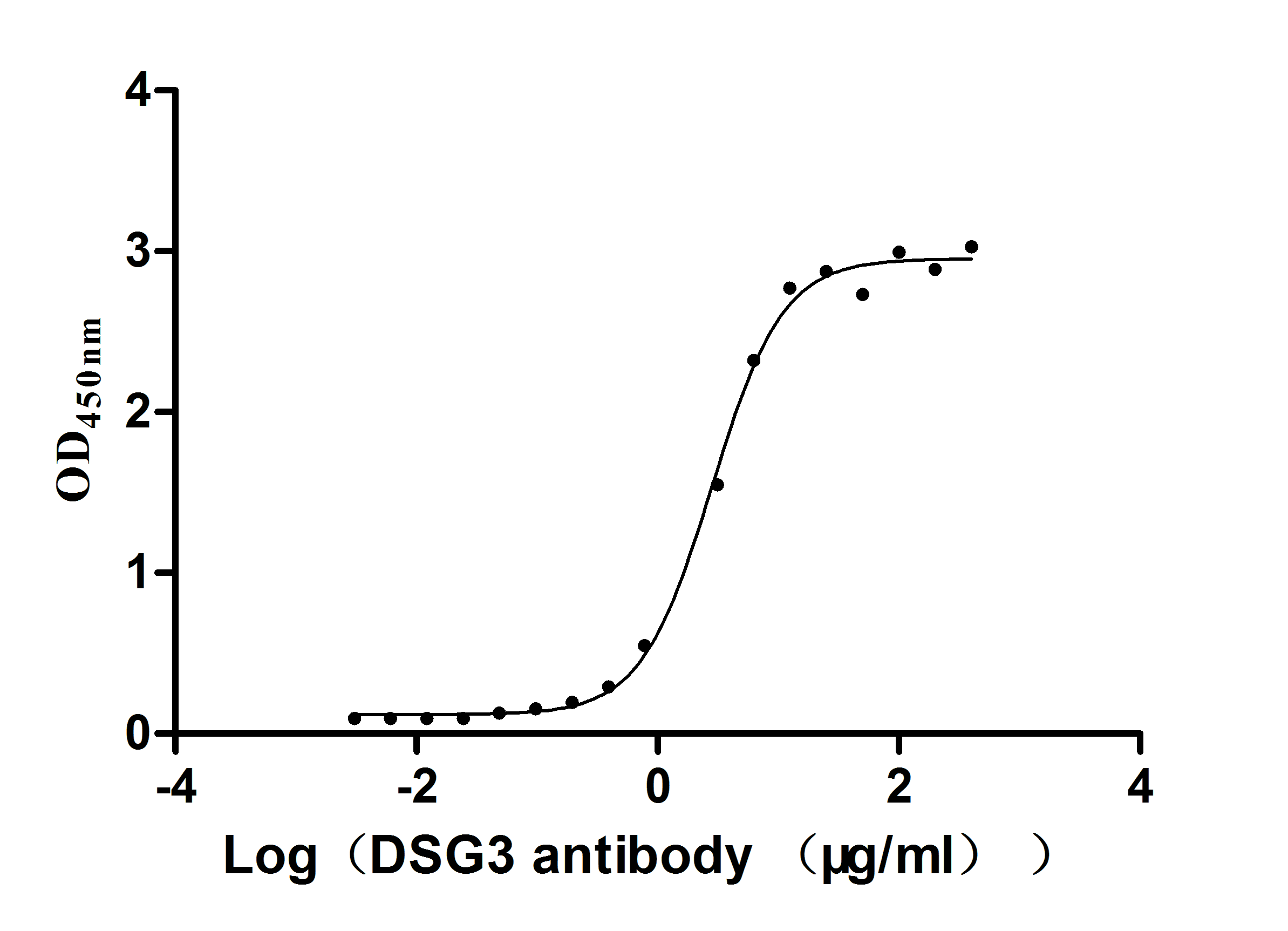
Recombinant Mouse Desmoglein-3 (Dsg3), partial (Active)
Express system: Mammalian cell
Species: Mus musculus (Mouse)
-
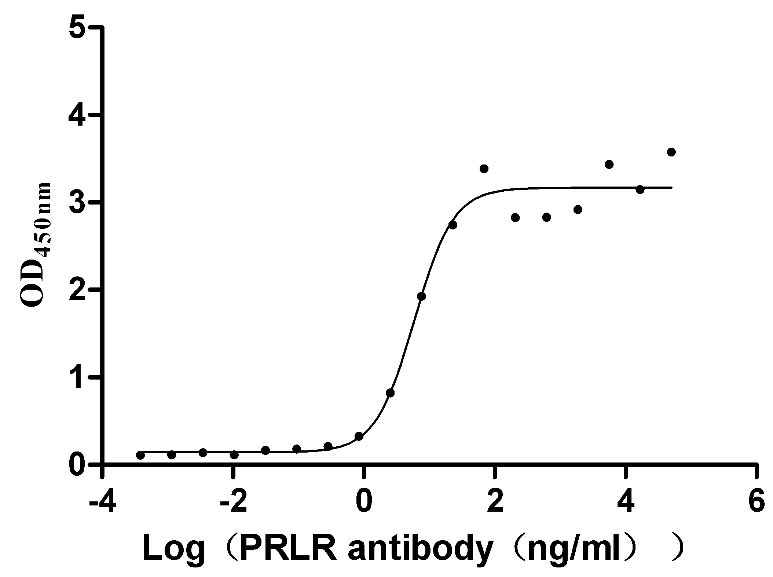
Recombinant Mouse Prolactin receptor (Prlr), partial (Active)
Express system: Mammalian cell
Species: Mus musculus (Mouse)
-
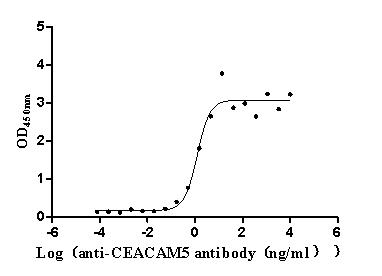
Express system: Mammalian cell
Species: Homo sapiens (Human)
-
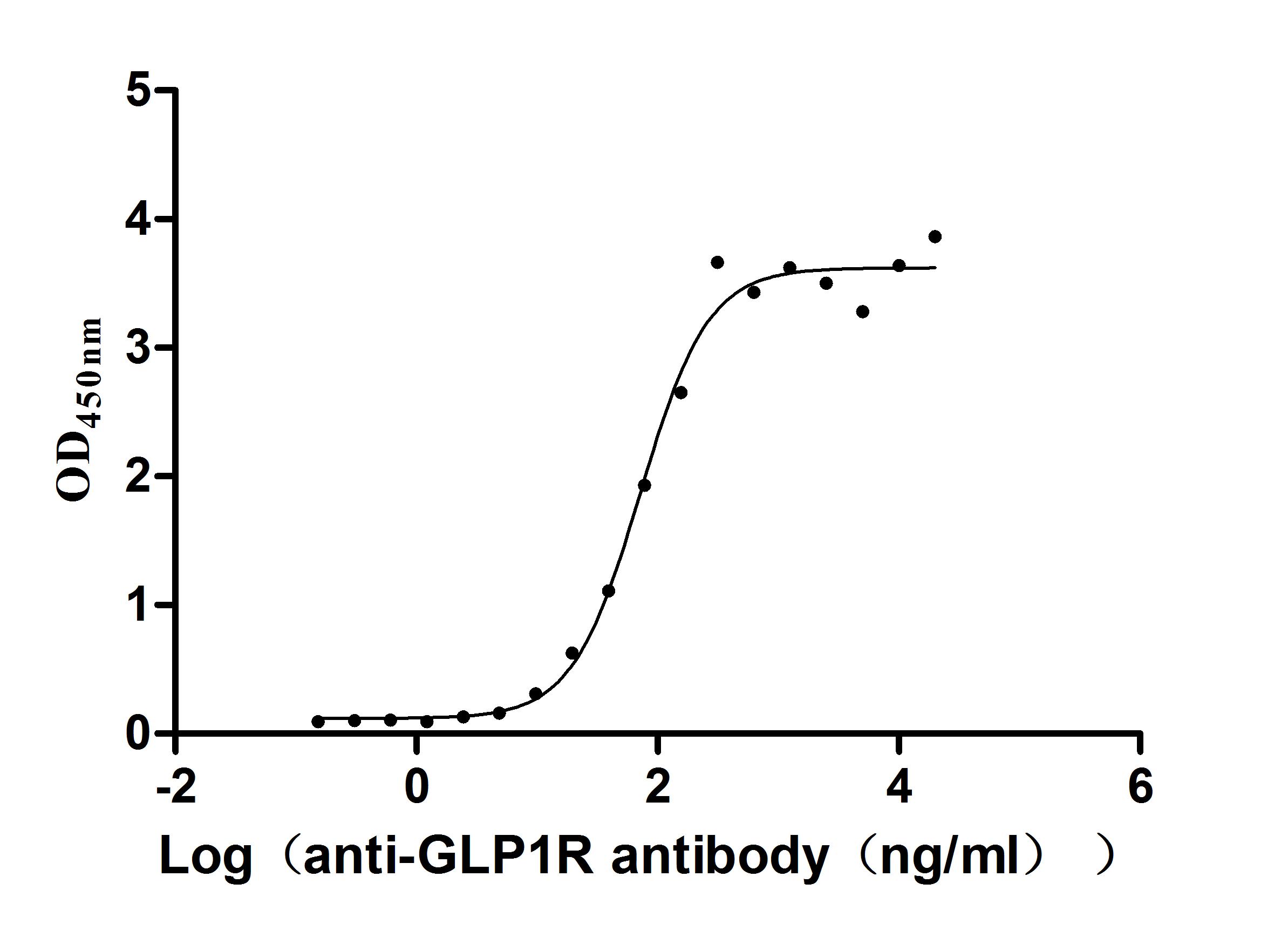
Recombinant Human Glucagon-like peptide 1 receptor (GLP1R), partial (Active)
Express system: Mammalian cell
Species: Homo sapiens (Human)
-
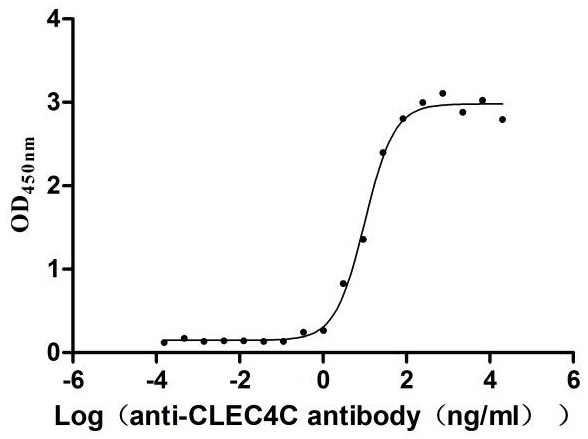
Recombinant Human C-type lectin domain family 4 member C (CLEC4C), partial (Active)
Express system: Mammalian cell
Species: Homo sapiens (Human)
-
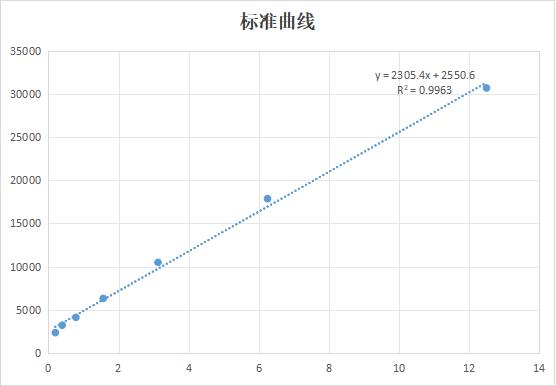
Recombinant Human Urokinase-type plasminogen activator(PLAU) (Active)
Express system: Mammalian cell
Species: Homo sapiens (Human)