Recombinant Rat PRKC apoptosis WT1 regulator protein (Pawr)
-
中文名稱:大鼠Pawr重組蛋白
-
貨號:CSB-YP723468RA
-
規格:
-
來源:Yeast
-
其他:
-
中文名稱:大鼠Pawr重組蛋白
-
貨號:CSB-EP723468RA
-
規格:
-
來源:E.coli
-
其他:
-
中文名稱:大鼠Pawr重組蛋白
-
貨號:CSB-EP723468RA-B
-
規格:
-
來源:E.coli
-
共軛:Avi-tag Biotinylated
E. coli biotin ligase (BirA) is highly specific in covalently attaching biotin to the 15 amino acid AviTag peptide. This recombinant protein was biotinylated in vivo by AviTag-BirA technology, which method is BriA catalyzes amide linkage between the biotin and the specific lysine of the AviTag.
-
其他:
-
中文名稱:大鼠Pawr重組蛋白
-
貨號:CSB-BP723468RA
-
規格:
-
來源:Baculovirus
-
其他:
-
中文名稱:大鼠Pawr重組蛋白
-
貨號:CSB-MP723468RA
-
規格:
-
來源:Mammalian cell
-
其他:
產品詳情
-
純度:>85% (SDS-PAGE)
-
基因名:
-
Uniprot No.:
-
別名:Pawr; Par4; PRKC apoptosis WT1 regulator protein; Prostate apoptosis response 4 protein; Par-4; Transcriptional repressor Par-4-like protein PAWR
-
種屬:Rattus norvegicus (Rat)
-
蛋白長度:full length protein
-
表達區域:1-332
-
氨基酸序列MATGGYRSSG STTDFLEEWK AKREKMRAKQ NPVGPGSSGG DPAAKSPAGP LAQTTAAGTS ELNHGPAGAA APAAPGPGAL NCAHGSSALP RGAPGSRRPE DECPIAAGAA GAPASRGDEE EPDSAPEKGR SSGPSARKGK GQIEKRKLRE KRRSTGVVNI PAAECLDEYE DDEAGQKERK REDAITQQNT IQNEAASLPD PGTSYLPQDP SRTVPGRYKS TISAPEEEIL NRYPRTDRSG FSRHNRDTSA PANFASSSTL EKRIEDLEKE VLRERQENLR LTRLMQDKEE MIGKLKEEID LLNRDLDDME DENEQLKQEN KTLLKVVGQL TR
-
蛋白標簽:Tag?type?will?be?determined?during?the?manufacturing?process.
The tag type will be determined during production process. If you have specified tag type, please tell us and we will develop the specified tag preferentially. -
產品提供形式:Lyophilized powder
Note: We will preferentially ship the format that we have in stock, however, if you have any special requirement for the format, please remark your requirement when placing the order, we will prepare according to your demand. -
復溶:We recommend that this vial be briefly centrifuged prior to opening to bring the contents to the bottom. Please reconstitute protein in deionized sterile water to a concentration of 0.1-1.0 mg/mL.We recommend to add 5-50% of glycerol (final concentration) and aliquot for long-term storage at -20℃/-80℃. Our default final concentration of glycerol is 50%. Customers could use it as reference.
-
儲存條件:Store at -20°C/-80°C upon receipt, aliquoting is necessary for mutiple use. Avoid repeated freeze-thaw cycles.
-
保質期:The shelf life is related to many factors, storage state, buffer ingredients, storage temperature and the stability of the protein itself.
Generally, the shelf life of liquid form is 6 months at -20°C/-80°C. The shelf life of lyophilized form is 12 months at -20°C/-80°C. -
貨期:Delivery time may differ from different purchasing way or location, please kindly consult your local distributors for specific delivery time.Note: All of our proteins are default shipped with normal blue ice packs, if you request to ship with dry ice, please communicate with us in advance and extra fees will be charged.
-
注意事項:Repeated freezing and thawing is not recommended. Store working aliquots at 4°C for up to one week.
-
Datasheet :Please contact us to get it.
產品評價

靶點詳情
-
功能:Pro-apoptotic protein capable of selectively inducing apoptosis in cancer cells, sensitizing the cells to diverse apoptotic stimuli and causing regression of tumors in animal models. Induces apoptosis in certain cancer cells by activation of the Fas prodeath pathway and coparallel inhibition of NF-kappa-B transcriptional activity. Inhibits the transcriptional activation and augments the transcriptional repression mediated by WT1. Down-regulates the anti-apoptotic protein BCL2 via its interaction with WT1. Seems also to be a transcriptional repressor by itself. May be directly involved in regulating the amyloid precursor protein (APP) cleavage activity of BACE1.
-
基因功能參考文獻:
- this study shows that downregulation of iNOS, IL-1beta, and P2X7 expression in mast cells via activation of PAR4 contributes to the Inhibition of visceral hyperalgesia PMID: 29854833
- Phosphorylation by CK2 impairs Par-4 proapoptotic functions. PMID: 24457960
- Par-4 binding does not block MYPT1 phosphorylation in rat caudal arterial smooth muscle. PMID: 23219599
- Par-4 and caspase-3 immunoreactivity in specific brain areas including the hippocampus CA1, CA3 and dentate gyrus, the adjacent cortex and the striatum in adult and aged rats from control and neonatally ferrous iron (Fe+2)-treated groups. PMID: 20369315
- PAR4 activation in the knee joint leads to mast cell-dependent changes in joint mechanosensitivity and pain behavior. PMID: 21238854
- depression-like behaviors is associated with down-regulated Par-4 and dopamine receptor D2 gene expression in the striatum through a non-methylation mechanism PMID: 21596067
- Par-4 is a new activator of myosin phosphatase PMID: 20130087
- Unlike Par-1, Par-2, and Par-3, Par-4 mRNA levels are already markedly upregulated 6 hr after optic nerve crush, reaching a peak of 6.1-fold increase at 12 hr, then declining to just above basal levels by 21 days. PMID: 12836167
- Par-4 exhibits an antitransforming capacity by antagonizing p185(BCR-ABL)-induced factor-independent proliferation in hematopoietic cells. PMID: 15246161
- Par-4 recruits Dlk to stress fibers, leading to enhanced phosphorylation of the regulatory light chain of myosin II (MLC) and to the induction of apoptosis. PMID: 15817164
- the mechanism for Ras-mediated down-regulation of Par-4 is by promoter methylation PMID: 15831492
- Amida translocates to the cytoplasm and is recruited to actin filaments by Par-4, resulting in enhanced induction of apoptosis. PMID: 16229834
- These findings indicate that FSH, by suppressing Par-4 expression in the ovary, activates PKCzeta-dependent antiapoptotic pathway and suggest that Par-4 is part of the mechanism underlying granulosa cells apoptotic demise. PMID: 17219052
- The PAR-4 agonist peptide induces transient [Ca2+]i changes with different kinetics compared to that due to activation of the PAR-1 receptor. This indicates that RBCE cells grown on Matrigel express PAR-4 receptors. PMID: 18294734
- Par-4 is a novel regulator of myosin light chain phosphorylation in differentiated, contractile vascular smooth muscle. PMID: 18505470
- Under physiological conditions, Par-4 self-associates via the C-terminal domain, forming a coiled-coil. PMID: 19490121
- Dlk-mediated phosphorylation of Par-4 at T155 is a crucial event in Dlk/Par-4-induced apoptosis. PMID: 19625447
顯示更多
收起更多
-
亞細胞定位:Cytoplasm. Nucleus.
-
數據庫鏈接:
Most popular with customers
-
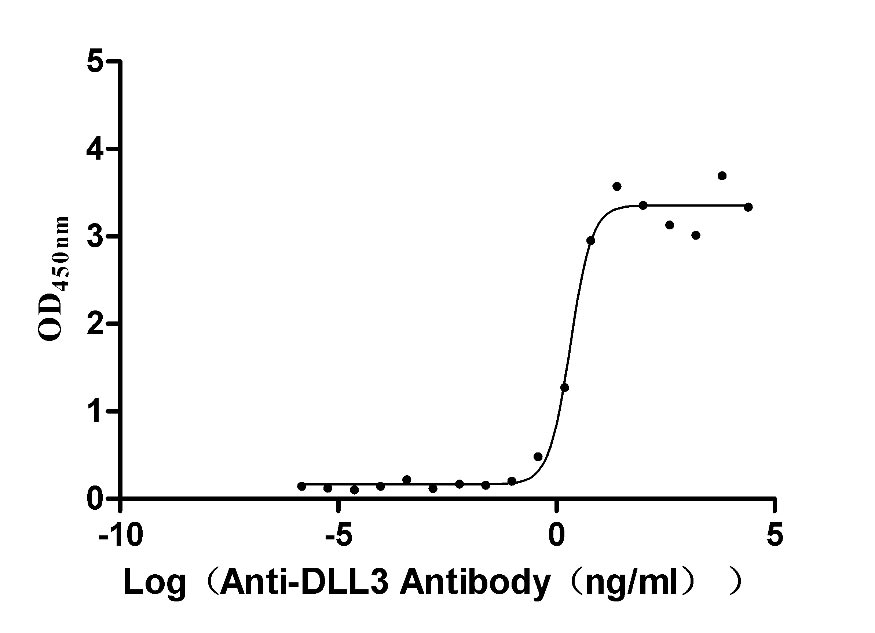
Recombinant Macaca fascicularis Delta-like protein 3 (DLL3), partial (Active)
Express system: Mammalian cell
Species: Macaca fascicularis (Crab-eating macaque) (Cynomolgus monkey)
-
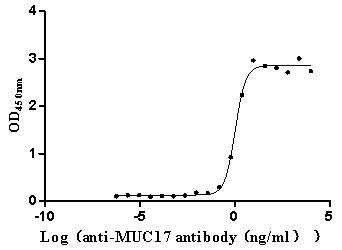
Recombinant Human Mucin-17 (MUC17), partial (Active)
Express system: Mammalian cell
Species: Homo sapiens (Human)
-
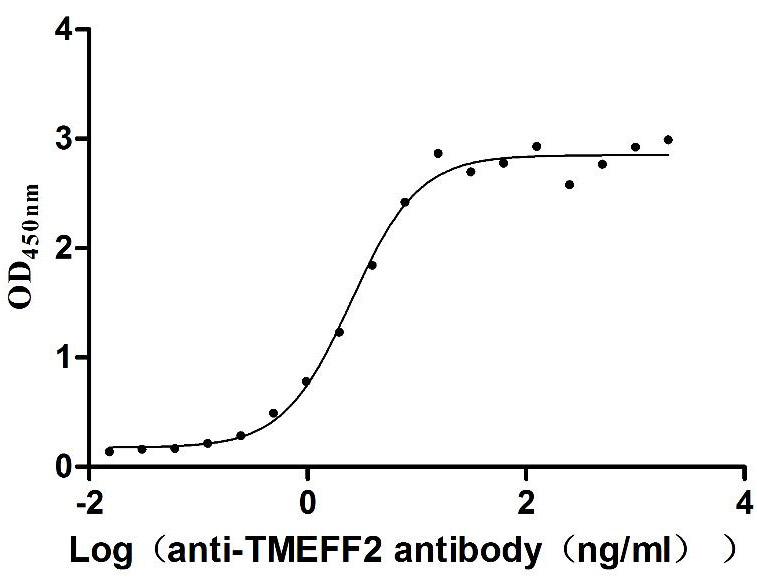
Recombinant Human Tomoregulin-2 (TMEFF2), partial (Active)
Express system: Mammalian cell
Species: Homo sapiens (Human)
-
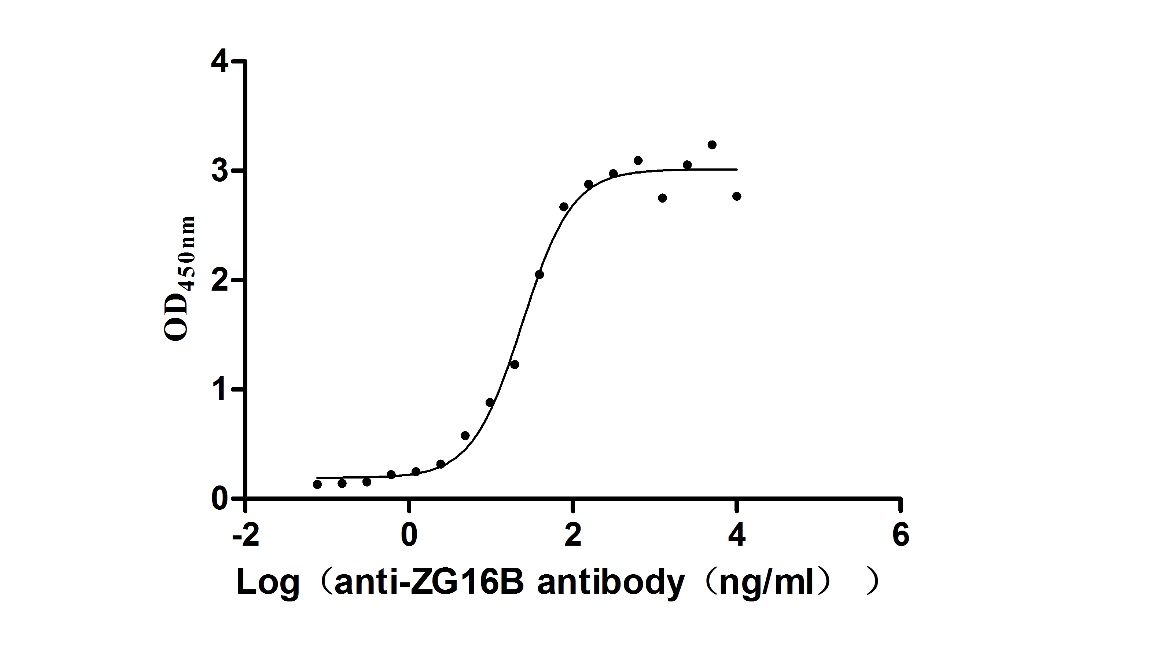
Recombinant Macaca fascicularis zymogen granule protein 16 homolog B (ZG16B) (Active)
Express system: Mammalian cell
Species: Macaca fascicularis (Crab-eating macaque) (Cynomolgus monkey)
-
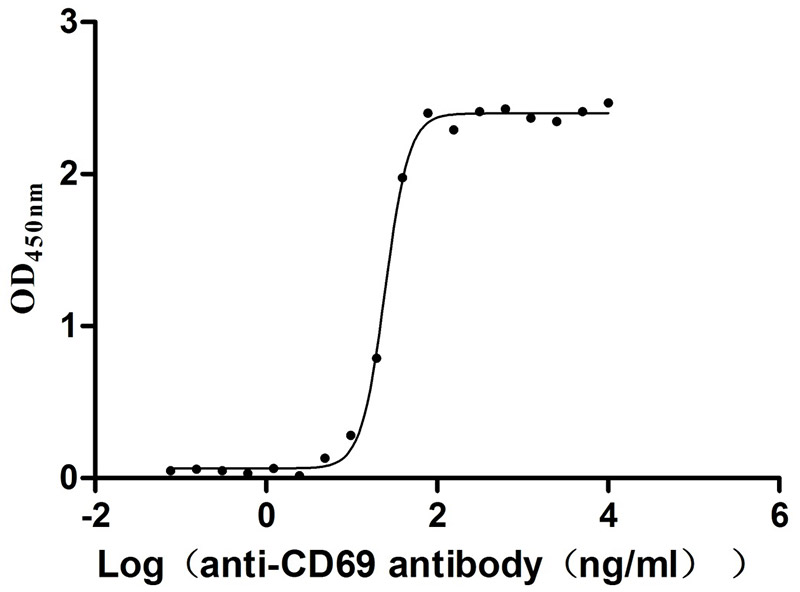
Recombinant Human Early activation antigen CD69 (CD69), partial (Active)
Express system: Mammalian cell
Species: Homo sapiens (Human)
-
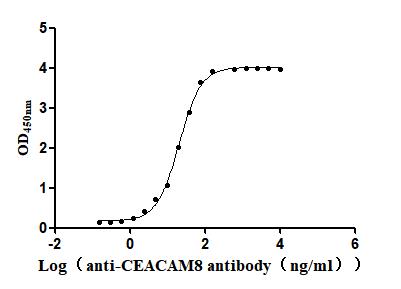
Recombinant Human Carcinoembryonic antigen-related cell adhesion molecule 8(CEACAM8) (Active)
Express system: Mammalian cell
Species: Homo sapiens (Human)
-
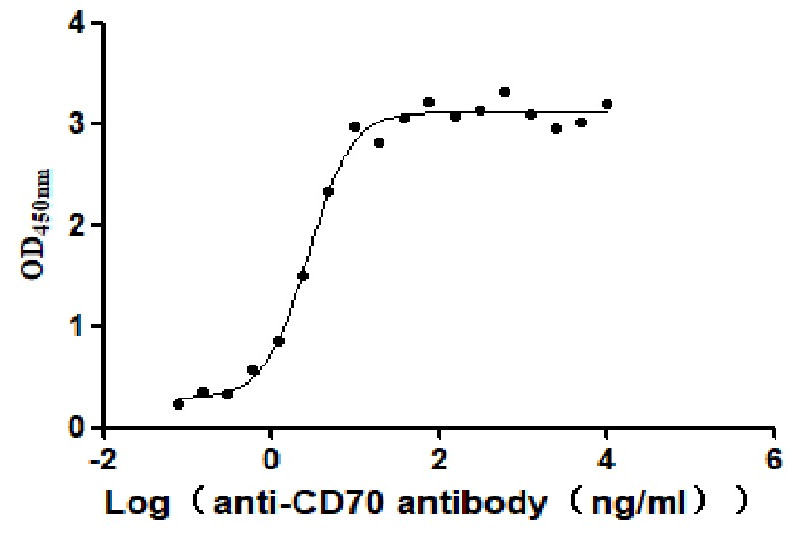
Recombinant Human CD70 antigen (CD70), partial (Active)
Express system: Mammalian cell
Species: Homo sapiens (Human)
-
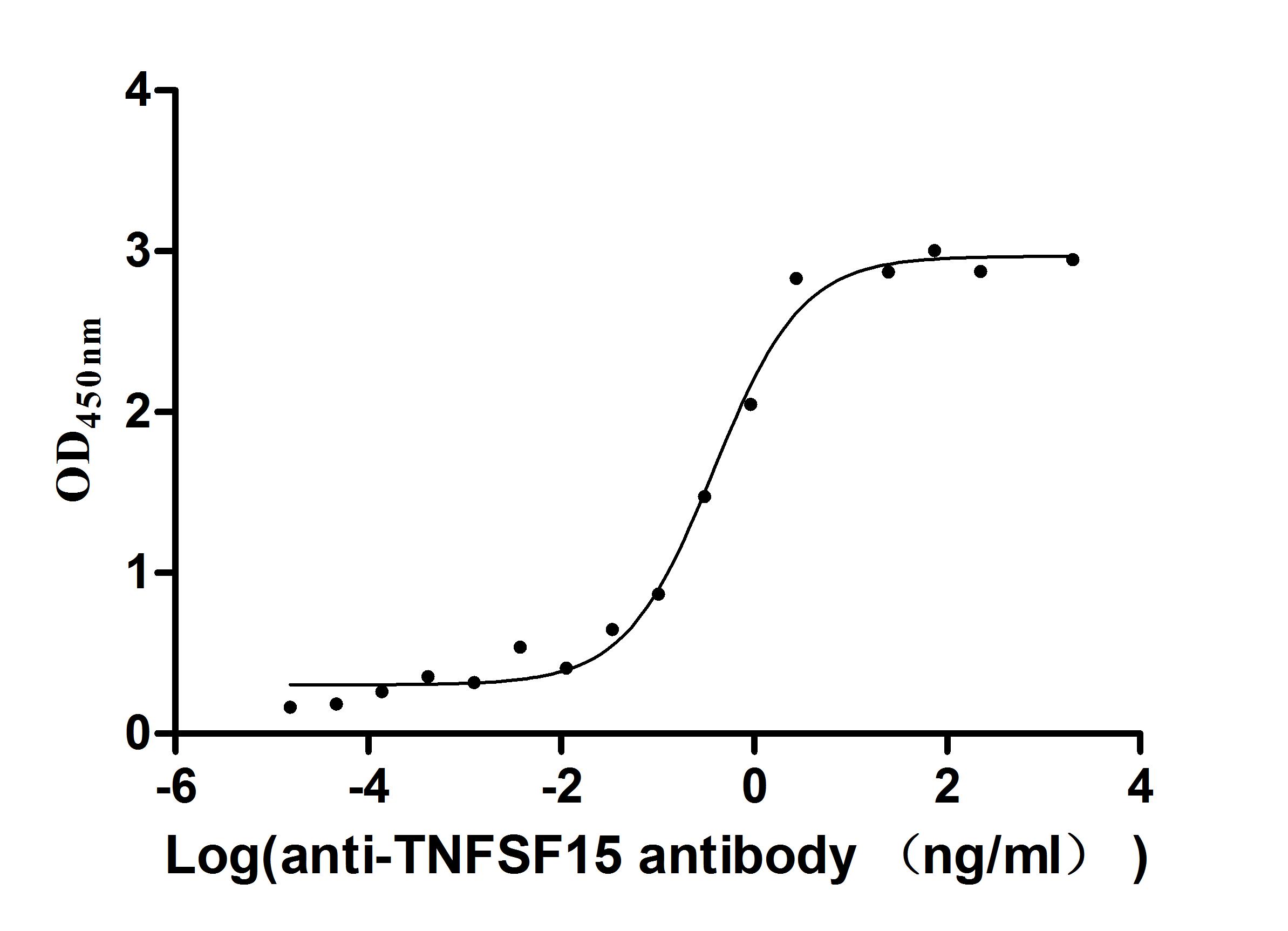
Express system: Mammalian cell
Species: Homo sapiens (Human)